Gamma Glutamyl Transferase (GGT)
 Blood Sample
 Free Home Collection
 Digital Smart Report
 Recommended for Male/Female
 NABL & CAP Certified Labs
 Trusted by Leading Doctors & Organizations
About Gamma Glutamyl Transferase (GGT) Test: Booking, Price, and Results
| Field | Value |
|---|---|
| Also Known As | Gamma-glutamyl transpeptidase (GGTP), Gamma-GT, GGT, GTP |
| Sample Type | Venous blood (serum) |
| Fasting Required | Yes, 8 hours before the test; no alcohol for 24 hours prior |
| Report Time | 1-2 business days |
| Recommended For | Adults of all ages and genders |
| Price | Starting at ₹250 |
What Is a Gamma Glutamyl Transferase Test?
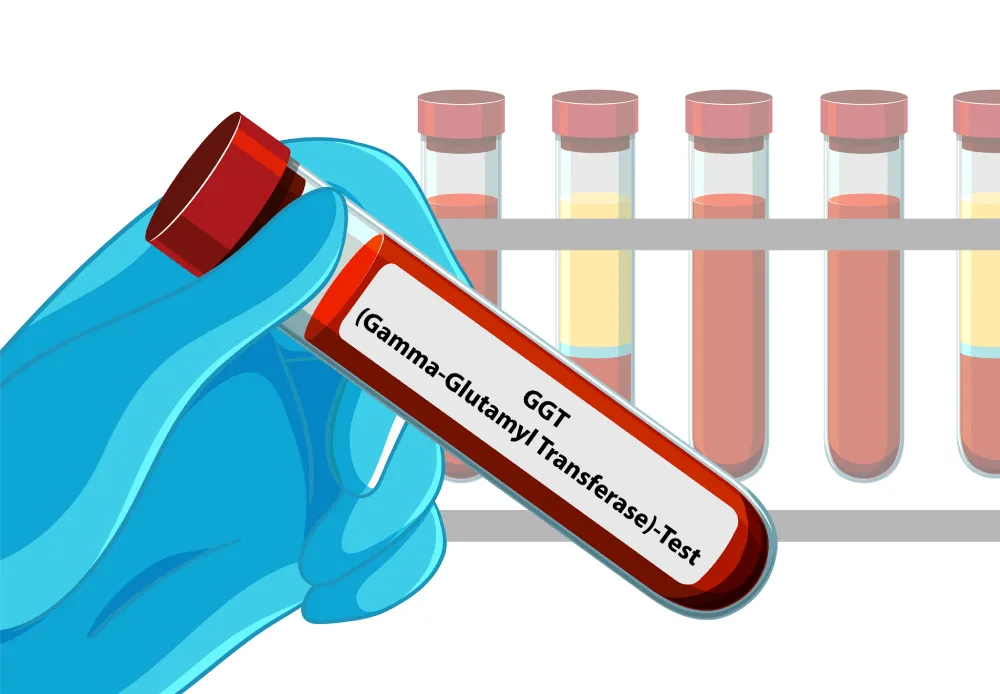
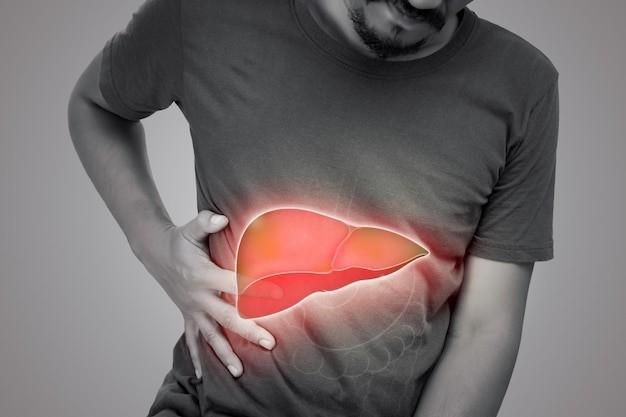
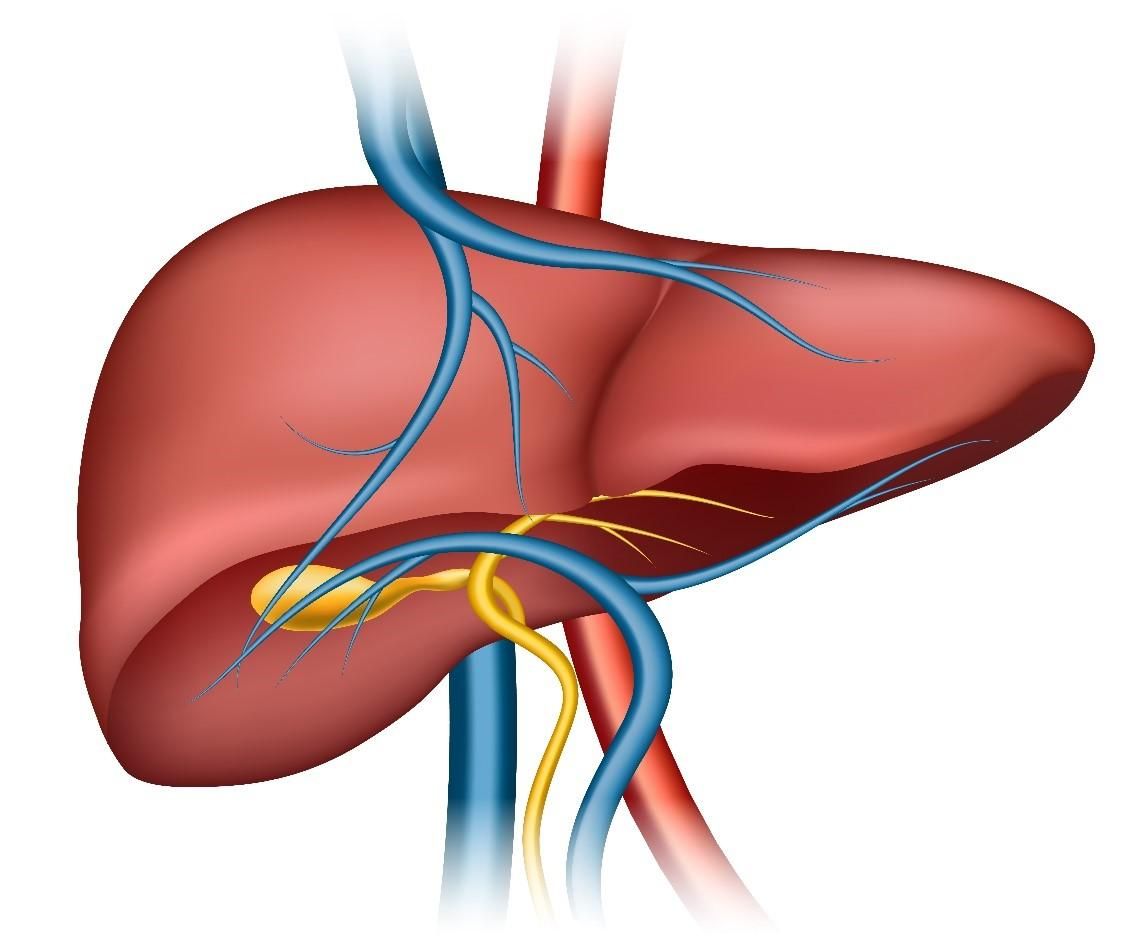
The Gamma Glutamyl Transferase test is a blood test that measures the level of GGT, an enzyme found mainly in the liver. Doctors use it to check for liver or bile duct problems and to assess alcohol-related effects on the liver. The test goes by several names, including the Gamma-Glutamyl Transpeptidase test, GGTP test, and Gamma GT test. A small blood sample drawn from a vein in the arm is all that is needed.
What Does a Gamma Glutamyl Transferase Test Measure?
The GGT test measures the activity of one enzyme: gamma-glutamyl transferase. This enzyme is present throughout the body but is concentrated in the liver. It plays a role in breaking down and transporting proteins, supporting the body's response to inflammation, and helping to process certain toxins and medicines. Raised or lowered levels of GGT may indicate changes in liver or bile duct function.
The table below shows what the test looks at:
| Parameter | What It Tells You |
|---|---|
| GGT enzyme level | Whether the liver and bile ducts are under stress or functioning within normal limits |
Why Is a Gamma Glutamyl Transferase Test Done?
Doctors order the GGT test for several reasons, from investigating symptoms to tracking a known condition over time.
Common Symptoms That May Require This Test
A doctor may request this test when a patient reports one or more of the following:
- Unexplained tiredness or fatigue
- Discomfort, bloating, or pain in the upper abdomen
- Nausea without an obvious cause
- Dark-coloured urine
- Pale or clay-coloured stools
- Jaundice (yellowing of the skin or the whites of the eyes)
- Persistent itching of the skin
Conditions This Test Can Help Detect
The Gamma Glutamyl Transferase test can help identify a range of conditions, including:
- Viral or alcoholic hepatitis (inflammation of the liver)
- Cholestasis (a blockage in the flow of bile from the liver)
- Fatty liver disease, whether alcohol-related or not
- Cirrhosis (scarring of the liver)
- Bile duct blockages caused by gallstones or tumours
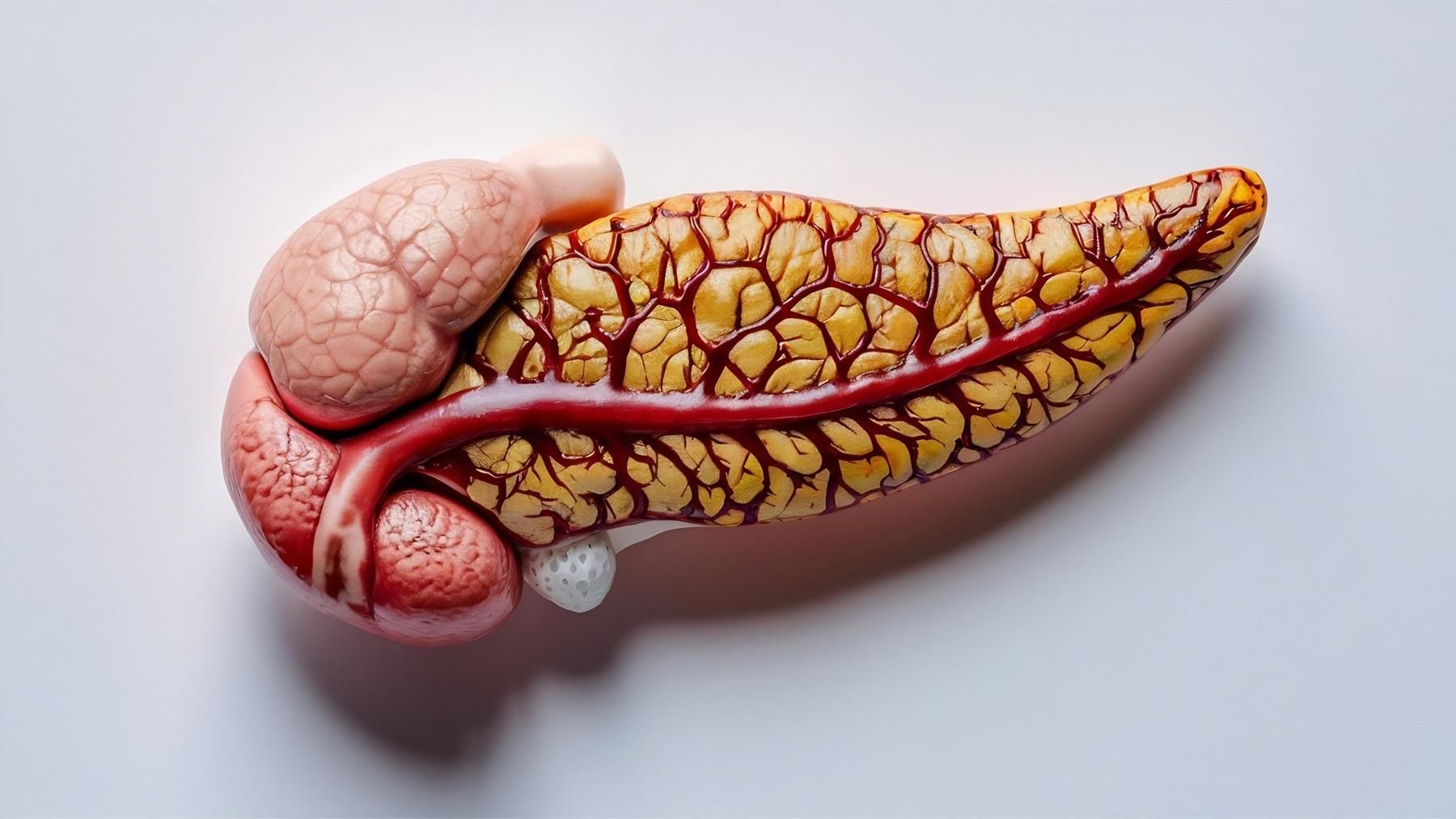
- Pancreatitis (inflammation of the pancreas)
- Congestive heart failure
- Alcohol use disorder
- Metabolic syndrome and type 2 diabetes
Gamma Glutamyl Transferase Test for Chronic Disease Monitoring
The GGT test is a useful tool for monitoring patients who are recovering from alcohol dependency. GGT levels typically take up to one month to return to normal after a person stops drinking. As a result, doctors may order the test periodically to track whether someone is maintaining sobriety and to observe how the liver responds over time.
How to Prepare and What to Expect
Preparing correctly for your GGT test helps ensure your results are accurate. Here is what you need to know before and during sample collection.
Do You Need to Fast?
Yes, fasting is required. Avoid food and all drinks except water for at least 8 hours before your test. Eating can temporarily lower GGT levels, which may affect the result. If your doctor has ordered additional tests alongside the Gamma GT test, those may carry their own fasting requirements as well.
Practical Tips Before Your Test
Following these steps will help you get the most reliable result:
- Avoid all alcohol for at least 24 hours before the test.
- Tell your doctor about every medicine, supplement, or herbal remedy you are taking.
- Avoid smoking before the test, as it can raise GGT levels.
- Drink enough water to stay hydrated.
- Schedule your appointment in the morning so most of your fast happens while you sleep.
- Wear a loose-sleeved top for easy access to your arm.
Step-by-Step Procedure
The sample collection process is quick and straightforward. Here is what to expect:
- Arrive at your centre or wait for the home collection phlebotomist at your scheduled time.
- A trained professional will clean a small area on the inside of your arm.
- A fine needle is inserted into a vein to draw a small amount of blood into a collection tube.
- You may feel a brief, mild sting when the needle is placed. The discomfort passes quickly.
- The entire blood draw usually takes under five minutes.
- A small bandage is applied to the site, and your sample is sent to the laboratory for testing.
Factors That Can Affect Accuracy
Several factors may influence your GGTP test result:
- Drinking alcohol within 24 hours of the test
- Smoking before sample collection
- Certain medicines, including anti-seizure drugs (such as phenytoin and phenobarbital), blood thinners (such as warfarin and heparin), and immunosuppressants
- Dehydration at the time of the test
Understanding Your Gamma Glutamyl Transferase Test Results
Your results should always be reviewed alongside your doctor, who will consider your full medical history, symptoms, and any other tests you have had done.
The table below shows general reference ranges for GGT:
| Parameter | Normal Range | Unit |
|---|---|---|
| GGT (Males) | 7 to 47 | U/L |
| GGT (Females) | 5 to 38 | U/L |
| GGT (General adult) | 0 to 50 | U/L |
These ranges are general guidelines. Your doctor will interpret your results based on your age, health history, and other factors. Always consult a qualified healthcare professional for personalised medical advice.
Results During Special Conditions
Certain situations can cause GGT readings to appear higher or lower than expected. Anti-seizure medicines such as phenytoin and phenobarbital are known to raise GGT levels even when the liver is healthy. In patients recovering from alcohol use, GGT can take up to 28 days to clear from the body, given the enzyme's longer half-life during recovery. In people with non-alcoholic fatty liver disease or chronic hepatitis C, GGT may run 2 to 3 times above the upper limit of normal.
How to Maintain Healthy Levels
These general habits support liver health and can help keep GGT within a normal range:
- Limit or avoid alcohol, as this has the most direct effect on GGT levels.
- Eat a balanced diet and reduce intake of fried, fatty, and heavily processed foods.
- Stay physically active and maintain a healthy weight, as excess body fat is linked to raised liver enzyme levels.
Lupin Diagnostics Gamma Glutamyl Transferase Test Price and Home Collection
The Gamma Glutamyl Transferase test price at Lupin Diagnostics starts at ₹120, with home sample collection available across cities.
| City | Approximate Price (₹) |
|---|---|
| Mumbai | ₹280 |
| Bengaluru | ₹250 |
| Chennai | ₹280 |
| Hyderabad | ₹280 |
| Kolkata | ₹290 |
| Pune | ₹280 |
Prices are indicative and may vary by location. Please confirm the current price at the time of booking.
How to Book
- Select the test on the Lupin Diagnostics website.
- Choose your city and preferred time slot.
- Opt for home sample collection by a certified phlebotomist, or visit your nearest Lupin Diagnostics centre.
- Receive your report via email or WhatsApp within the stipulated turnaround time.
Home Collection
Lupin Diagnostics offers home sample collection for the Gamma GT test across multiple cities, making it easy to get tested without visiting a centre. All samples are processed in NABL-accredited laboratories to ensure accuracy and reliability. Your digital report is delivered directly to you via email or WhatsApp.
FAQs
The GGT test is a blood test used to detect or rule out problems with the liver and bile ducts. Doctors also use it to screen for and monitor alcohol use disorder, as GGT is one of the enzymes most sensitive to alcohol's effect on the liver.
Many conditions and substances can raise GGT levels. Common causes include excessive alcohol intake, hepatitis, fatty liver disease, bile duct blockages, pancreatitis, and certain prescription medicines. Your doctor will review your results alongside other information to find the likely cause.
Yes, in many cases, they can. When elevated levels are related to alcohol, stopping drinking for about four weeks can normalise GGT. Lifestyle changes such as improving diet, losing excess weight, and increasing physical activity can also help bring levels down over time.
The Gamma-Glutamyl Transpeptidase test is often ordered alongside alkaline phosphatase (ALP). Both enzymes rise when the liver or bile ducts are affected. However, ALP also rises in bone disorders, whereas GGT does not. If GGT is normal but ALP is high, a bone problem rather than a liver issue may be the cause. This distinction helps doctors narrow down their diagnosis.
Yes. If you are searching for a GGT test near me, Lupin Diagnostics offers both home collection and walk-in options across multiple Indian cities. You can book online through the website or app at your convenience.
Yes, they can. Anti-seizure medicines such as phenytoin and phenobarbital are known to raise GGT levels independent of any liver problem. Blood thinners and immunosuppressants may also affect the reading. Always tell your doctor about every medicine and supplement you are taking before the test.
Gamma Glutamyl Transferase (GGT)