
Book a Home Collection Now!
What Are The Symptoms Of High Bilirubin In Adults And Newborns
April 30, 2025 - By Lupin Diagnostics
High bilirubin symptoms in adults and newborns are important clinical signals of how the liver, bile ducts, and red blood cells are functioning. When bilirubin levels rise beyond the normal physiological range, individuals may experience classic signs such as jaundice, dark urine, pale stools, itching, and fatigue. Because bilirubin is tightly linked to liver metabolism, a bilirubin test becomes one of the most important first-line investigations in jaundice in adults and in newborn screening.
This comprehensive guide explains the science behind bilirubin, the full spectrum of high bilirubin symptoms, normal reference ranges, mechanisms of bilirubin elevation, and lifestyle and clinical approaches to management. It also incorporates the latest medical literature and diagnostic guidelines so readers can recognize symptoms early and seek timely care.
What Is Bilirubin and Why Does It Matter?
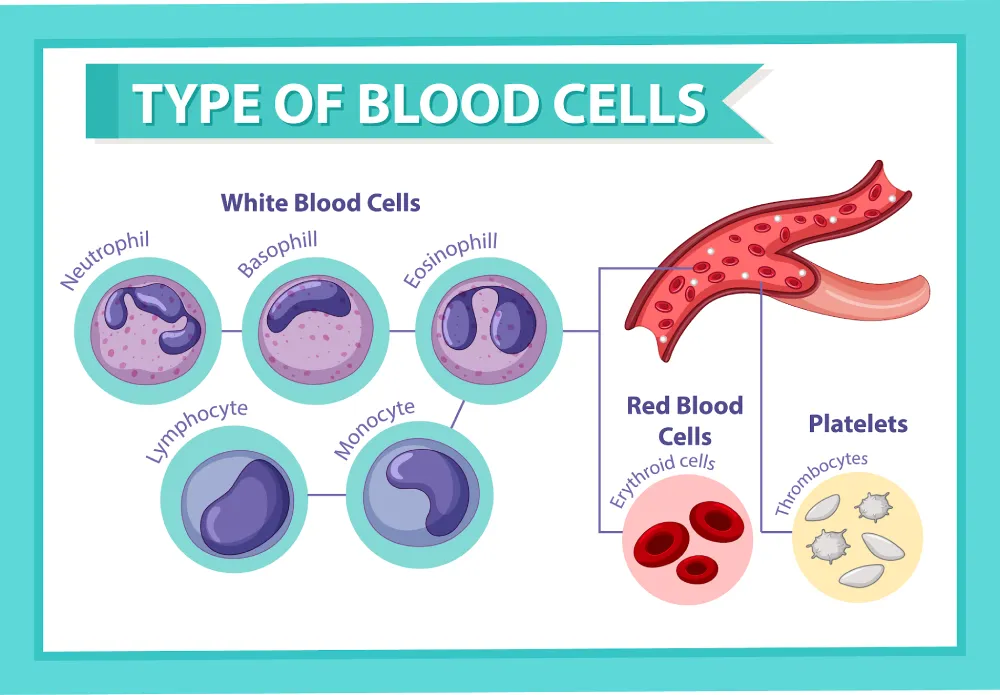
Bilirubin is a yellow pigment produced naturally during the breakdown of old red blood cells. The liver processes this pigment, converts it into a water-soluble form, and excretes it through bile. This cycle is central to digestion, detoxification, and metabolic balance. High bilirubin symptoms develop when any part of this process is disrupted, either through increased red cell destruction, liver dysfunction, or bile duct blockage.
There are two major types of bilirubin measured in a bilirubin test:
Unconjugated (Indirect) Bilirubin
- Produced from hemoglobin breakdown
- Not yet processed by the liver
- Elevated when red blood cells break down too fast or when the liver’s uptake is impaired
- Processed by the liver
- Water-soluble
- Elevated when the liver cannot excrete bilirubin or when bile ducts are obstructed
Total bilirubin consists of both types and is a key value to assess jaundice in adults and newborns.
High Bilirubin Symptoms in Adults
Recognizing high bilirubin symptoms early is important because they often reflect underlying liver, gallbladder, or blood-related disorders. In adults, the most common high bilirubin symptoms include:
1. Jaundice (Yellow Skin and Eyes)
The most recognizable sign of rising bilirubin is jaundice. In adults, jaundice appears first in the whites of the eyes before spreading to the face and body. According to the CDC and major liver health organizations, jaundice in adults always requires evaluation, as it reflects impaired liver processing or blocked bile flow.
2. Dark Urine
High conjugated bilirubin spills into the urine, producing an amber or cola-like appearance.
3. Pale or Clay-Colored Stools
This occurs when bilirubin fails to reach the intestines, suggesting bile duct obstruction.
4. Itchy Skin (Pruritus)
Bile salts accumulating under the skin lead to severe itchiness, commonly seen in cholestatic liver diseases.
5. Fatigue, Weakness, and General Malaise
The liver’s inability to process toxins leads to systemic fatigue.
6. Upper Right Abdominal Pain
Pain around the liver area may indicate inflammation, infection, or gallstone-related blockage.
7. Nausea and Loss of Appetite
Digestive disturbances are common consequences of high bilirubin symptoms.
Together, these signs often point toward hepatitis, gallstones, genetic conditions like Gilbert’s syndrome, or hemolytic anemia.
High Bilirubin Symptoms in Newborns
While mild neonatal jaundice is common due to immature liver function, very high bilirubin levels can be dangerous.
Key symptoms include:
- Yellow discoloration starting from the face
- Lethargy and difficulty feeding
- High-pitched crying
- Body stiffness or arching
- Reduced muscle tone
Severe bilirubin elevation in newborns can cause kernicterus, a rare but serious brain injury. The American Academy of Pediatrics recommends bilirubin screening in the first 24–48 hours of life.
Normal Bilirubin Levels by Age
Understanding reference values is essential when interpreting a bilirubin test.
Adults
- Total bilirubin: 0.1–1.2 mg/dL
- Direct bilirubin: 0.0–0.3 mg/dL
Newborns
- Birth to 48 hours: Up to 5 mg/dL may be normal
- After 48 hours: Declines gradually
- Persistent levels above 14–15 mg/dL warrant treatment
These reference levels vary slightly among laboratories, but significant deviations accompanied by high bilirubin symptoms require prompt investigation.
Mechanism of Increase- Why Bilirubin Rises
The mechanism behind rising bilirubin depends on where the disruption occurs.
1. Increased Red Blood Cell Breakdown (Hemolysis)
When red blood cells break down too quickly, the liver becomes overwhelmed with unconjugated bilirubin. This leads to classic high bilirubin symptoms like jaundice and dark urine.
2. Impaired Liver Function
Diseases such as hepatitis, alcoholic liver disease, and cirrhosis reduce the liver’s ability to convert unconjugated bilirubin to its conjugated form.
3. Obstruction of the Bile Ducts
Gallstones, tumors, inflammation, or strictures prevent bilirubin from moving into the intestine, causing a buildup of conjugated bilirubin.
4. Genetic Conditions
Gilbert’s syndrome, Crigler-Najjar syndrome, and Dubin-Johnson syndrome affect how the liver processes bilirubin.
5. Immature Liver Function in Newborns
Infant livers are not fully developed, leading to temporary accumulation.
Mechanistically, bilirubin elevation can be pre-hepatic (before the liver), hepatic (within the liver), or post-hepatic (after the liver), each producing distinct patterns on a bilirubin test.
High Bilirubin Causes (Adults and Newborns)
Common Causes in Adults
- Liver diseases: hepatitis, cirrhosis, alcoholic liver disease
- Gallstones blocking bile ducts
- Hemolytic anemia
- Gilbert’s syndrome
- Drug- or toxin-induced liver damage
- Bile duct inflammation or tumors
Common Causes in Newborns
- Immature liver enzymes
- Blood type incompatibility
- Birth injuries causing bruising
- Infections
- Genetic or metabolic disorders
The WHO notes that early diagnosis of liver-related disorders is crucial for preventing complications worldwide.
How Is High Bilirubin Diagnosed?
1. Bilirubin Test
A bilirubin test measures:
- Total bilirubin
- Direct bilirubin
- Indirect bilirubin
A persistent rise, especially when accompanied by high bilirubin symptoms, confirms the need for further evaluation.
2. Additional Diagnostic Tests
Depending on the findings, clinicians may order:
- Liver Function Tests (LFTs)
- Complete Blood Count (CBC)
- Ultrasound or CT scan
- Reticulocyte count
- Coombs test in infants
Together, these tests help determine whether the cause is hepatic, hemolytic, or obstructive.
The USPSTF emphasizes the importance of targeted diagnostic evaluations when clinical symptoms like jaundice appear.
Treatment for Elevated Bilirubin Levels
Adults
Treatment depends on the underlying cause:
- Liver disease: antiviral therapy, alcohol cessation, anti-inflammatory treatment
- Gallstones: surgery or endoscopic removal
- Hemolytic anemia: medications, transfusions
- Genetic conditions: phototherapy (rare), supportive treatment
Newborns
- Phototherapy: Blue light converts bilirubin into a form that can be excreted
- Exchange transfusion: For dangerously high levels
- IVIG: For blood incompatibility
Early treatment significantly reduces complications and improves long-term outcomes.
Lifestyle Tips to Manage and Prevent High Bilirubin
While medical treatment depends on the cause, certain lifestyle habits help support liver and metabolic health and reduce the severity of high bilirubin symptoms:
1. Hydration
Adequate fluids support bile flow and toxin clearance.
2. Liver-Friendly Diet
- Limit alcohol
- Avoid processed sugars
- Choose antioxidant-rich foods: berries, leafy greens, turmeric
- Incorporate healthy fats: olive oil, nuts, seeds
3. Maintain Healthy Weight
Obesity increases the risk of fatty liver disease, a leading cause of bilirubin elevation.
4. Regular Physical Activity
Enhances liver blood flow and prevents metabolic syndrome.
5. Avoid Unnecessary Medications
Self-medication with painkillers or herbal supplements can strain the liver.
6. Prevent Infections
Vaccination (hepatitis A & B) is recommended for at-risk individuals.
These measures complement clinical treatment and help prevent future episodes of jaundice in adults.
When Should You See a Doctor?
Immediate medical care is essential if you experience:
- Persistent yellowing of eyes or skin
- Dark urine and pale stools
- Constant fatigue
- Upper abdominal pain
- High fever with jaundice
- Severe itching
- In infants: poor feeding, lethargy, worsening jaundice
Prompt evaluation with a bilirubin test ensures safe monitoring and treatment.
High bilirubin symptoms provide valuable insight into the overall health of the liver, blood, and digestive system. Whether it presents as jaundice in adults or neonatal jaundice in infants, the condition must never be ignored. A bilirubin test is the most reliable first step in identifying the underlying cause, followed by appropriate imaging, blood work, and clinical assessment. With early diagnosis, targeted treatment, and healthy lifestyle choices, most bilirubin-related conditions can be effectively managed.