APO B: APO A-1 Ratio (Apolipoprotein B: Apolipoprotein A1 Ratio) Test
About APO B: APO A-1 Ratio (Apolipoprotein B: Apolipoprotein A1 Ratio) Test
| Field | Value |
|---|---|
| Also Known As | Apolipoproteins A1 & B Test, ApoB/ApoA-I ratio, A1B blood test, ApoA-1/Apo-B Ratio Test, Apolipoprotein Assessment |
| Sample Type | Venous blood (serum) |
| Fasting Required | Not mandatory for this test alone; fast for 9 to 12 hours if a lipid panel is ordered alongside |
| Report Time | Within 1 to 2 working days |
| Recommended For | Adults of all ages, male and female, particularly those with cardiovascular risk factors |
| Price | Starting at ₹700 |
What Is an Apo B: Apo A-1 Ratio Test?
The Apolipoproteins A1 & B Test measures two key proteins linked to cholesterol transport in the blood. Apolipoprotein B (ApoB) is the main protein in harmful cholesterol particles, while Apolipoprotein A1 (ApoA1) is the main protein in protective cholesterol particles. The ApoB/ApoA-I ratio is calculated from these two values and gives doctors a clearer picture of cardiovascular risk. A venous blood sample is used for this test.
What Does an Apo B: Apo A-1 Ratio Test Measure?
This test analyses two proteins and their balance. Here is what each component tells us:
| Component | What It Represents |
|---|---|
| Apolipoprotein B (ApoB) | The main protein in LDL (“bad cholesterol”) and other artery-clogging particles |
| Apolipoprotein A1 (ApoA1) | The main protein in HDL (“good cholesterol”) helps carry cholesterol away from arteries to the liver |
| ApoB/ApoA-I ratio | The balance between harmful and protective cholesterol particles is a key marker of heart disease risk |
Why Is an Apo B: Apo A-1 Ratio Test Done?
Doctors order this test to assess a person's cardiovascular risk, often when routine cholesterol tests do not tell the full story.
Common Symptoms That May Require This Test
The following symptoms or findings may prompt a doctor to request this test:
- Shortness of breath on mild exertion
- Leading an inactive lifestyle
- Having high blood pressure (hypertension)
- Having type 2 diabetes
- High cholesterol was found on a routine blood test
- Elevated triglycerides (a type of fat in the blood)
- Past or family history of heart disease
- If you are over 60 years of age
- Being overweight and eating an unhealthy diet
- Smoking and alcohol consumption
Conditions This Test Can Help Detect
This test can help identify or assess the following conditions:
- Coronary artery disease (narrowing of the heart's blood vessels)
- Atherosclerosis (build-up of fatty plaques inside arteries)
- Dyslipidaemia (abnormal levels of fats in the blood)
- Metabolic syndrome
- Hypobetalipoproteinaemia (a genetic condition causing very low ApoB levels)
- Tangier disease (a rare inherited disorder affecting HDL cholesterol)
Apo B: Apo A-1 Ratio Test for Chronic Disease Monitoring
This test is useful for people already known to have lipid disorders, such as high cholesterol or low HDL cholesterol. Regular measurements help doctors judge whether lipid-lowering treatments are working. For high-risk patients on treatment, testing every 3 to 6 months is common; once target levels are reached, annual monitoring is typically appropriate.
How to Prepare and What to Expect
Knowing what to expect before your test can make the experience straightforward and stress-free.
Do You Need to Fast?
No fasting is required if only the A1B blood test is being done. However, if your doctor has also ordered a full lipid panel alongside it, you should avoid food and drink (except water) for 9 to 12 hours before the sample is collected.
Practical Tips Before Your Test
These simple steps will help ensure a smooth collection and accurate results:
- Drink water as normal; staying hydrated makes the vein easier to find
- Avoid a heavy or fatty meal the evening before, especially if you are fasting
- Tell your doctor about all medicines and supplements you take, as some can affect results
- Wear a top with loose or short sleeves for easy access to the arm
Step-by-Step Procedure
Here is what happens during a typical blood collection for this test:
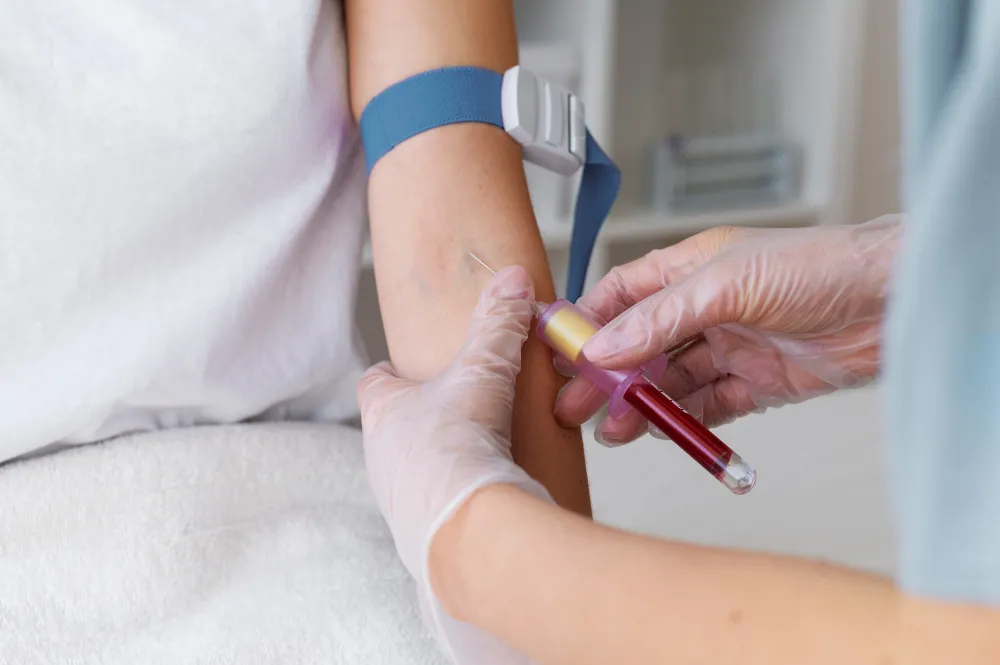
- A trained phlebotomist will clean the inside of your elbow with an antiseptic swab.
- A tourniquet (a soft band) is placed around your upper arm to make the vein more visible.
- A fine needle is gently inserted into the vein, and a small blood sample is drawn into a collection tube.
- The whole process usually takes no more than five minutes.
- The needle is removed, and a small cotton swab or bandage is placed on the site.
- Your labelled sample is sealed and sent to the laboratory for analysis.
Factors That Can Affect Accuracy
Certain factors can influence the results of the ApoA-1/Apo-B Ratio Test. These include:
- Recent intense physical exercise
- Smoking or heavy alcohol consumption
- Certain medicines, including statins, fibrates, niacin, oestrogens, and androgens
- Significant recent weight change
- Active inflammatory conditions or infections
- Liver disease
Understanding Your Apo B: Apo A-1 Ratio Test Results
Your results should always be reviewed alongside your medical history and other test findings. The table below shows commonly accepted reference ranges.
| Risk Category | Male | Female |
|---|---|---|
| Optimal | <0.77 | <0.63 |
| Moderate | 0.77-0.95 | 0.63-0.78 |
| High | >0.95 | >0.8 |
These ranges are general guidelines. Your doctor will interpret your results based on your age, health history, and other factors. Always consult a qualified healthcare professional for personalised medical advice.
Results During Special Conditions
Certain health states can shift your apolipoprotein levels away from typical ranges.
- Pregnancy generally raises ApoB levels, with values returning to the individual's baseline after delivery.
- Hypothyroidism slows the clearance of ApoB-containing particles, which can push levels higher.
- Diabetes and insulin resistance can increase liver production of VLDL particles, also raising total ApoB.
- In rare cases involving certain blood protein disorders (such as Waldenström macroglobulinaemia), results may be unreliable.
How to Maintain Healthy Levels
Small, consistent lifestyle habits can make a meaningful difference to your apolipoprotein levels:
- Aim for at least 30 minutes of moderate physical activity each day; regular movement helps raise ApoA1 and lower ApoB.
- Follow a heart-friendly diet rich in fruits, vegetables, and fibre, while limiting saturated fats found in fried and processed foods.
- Avoid smoking and keep alcohol consumption to a minimum, as both can adversely affect the ApoB/ApoA-I ratio.
Lupin Diagnostics Apo B: Apo A-1 Ratio Test Price and Home Collection
The Apolipoproteins A1 & B Test is available at Lupin Diagnostics starting from ₹700, with home sample collection offered across cities in India.
| City | Approximate Price (₹) |
|---|---|
| Nagpur | ₹700 |
| Mumbai | ₹700 |
| Bangalore | ₹700 |
| Chennai | ₹700 |
| Hyderabad | ₹700 |
| Kolkata | ₹700 |
| Pune | ₹700 |
| Indore | ₹700 |
Prices are indicative and may vary by location. Please confirm the current price at the time of booking.
How to Book
- Select the test on the Lupin Diagnostics website.
- Choose your city and preferred time slot.
- Opt for home sample collection by a certified phlebotomist, or visit your nearest Lupin Diagnostics centre.
- Receive your report via email or WhatsApp within the stipulated turnaround time.
Home Collection
Lupin Diagnostics offers home collection for the ApoA-1/Apo-B Ratio Test across multiple cities in India, so you can give your sample without leaving home. All samples are processed in NABL-accredited laboratories by trained professionals. Your digital report is delivered directly to you via email or WhatsApp.
Frequently Asked Questions
The ApoB/ApoA-I ratio reflects the balance between artery-clogging cholesterol particles and artery-protecting ones. Doctors use it as a marker of cardiovascular risk, particularly in people whose standard cholesterol results may not capture the full picture.
Fasting is not required for this test on its own. If your doctor has also requested a cholesterol or lipid panel at the same visit, you should fast for 9 to 12 hours beforehand. Drinking water is always fine.
A standard lipid profile measures cholesterol in terms of volume, while the A1B blood test measures the actual proteins that carry cholesterol. This can be more informative for people with diabetes or metabolic syndrome, whose LDL particles may be smaller or denser than usual and harder to assess with routine tests.
A ratio above 0.9 suggests that harmful cholesterol particles outnumber protective ones. This is associated with a higher risk of coronary artery disease and heart attack. Your doctor will consider this result alongside other findings before drawing any conclusions.
People with a family history of early heart disease, a personal history of cardiovascular conditions, or risk factors such as high blood pressure, diabetes, or obesity may benefit from the Apolipoproteins A1 & B Test. Your doctor is best placed to advise whether it is right for you.
Yes. A diet low in saturated fats and rich in fibre, regular physical activity, maintaining a healthy weight, and not smoking can all help improve the ratio over time. These steps support both higher ApoA1 and lower ApoB levels.
For people at high cardiovascular risk or those on lipid-lowering treatment, retesting every 3 to 6 months is common practice to track how well the treatment is working. Once stable target levels are achieved, annual testing is usually sufficient.
APO B: APO A-1 Ratio (Apolipoprotein B: Apolipoprotein A1 Ratio) Test