Book a Home Collection Now!
Why Is An Iron Profile Test Done? Symptoms, Causes, and Normal Range
January 15, 2025 - By Lupin Diagnostics
Iron is one of the body’s most essential micronutrients. It is needed to produce hemoglobin, the oxygen-carrying protein in red blood cells, and it supports energy production inside cells, healthy immune responses, brain function, and muscle performance. Because iron is involved in so many vital processes, both iron deficiency and iron overload can affect overall health, sometimes subtly at first, and sometimes severely if left untreated.
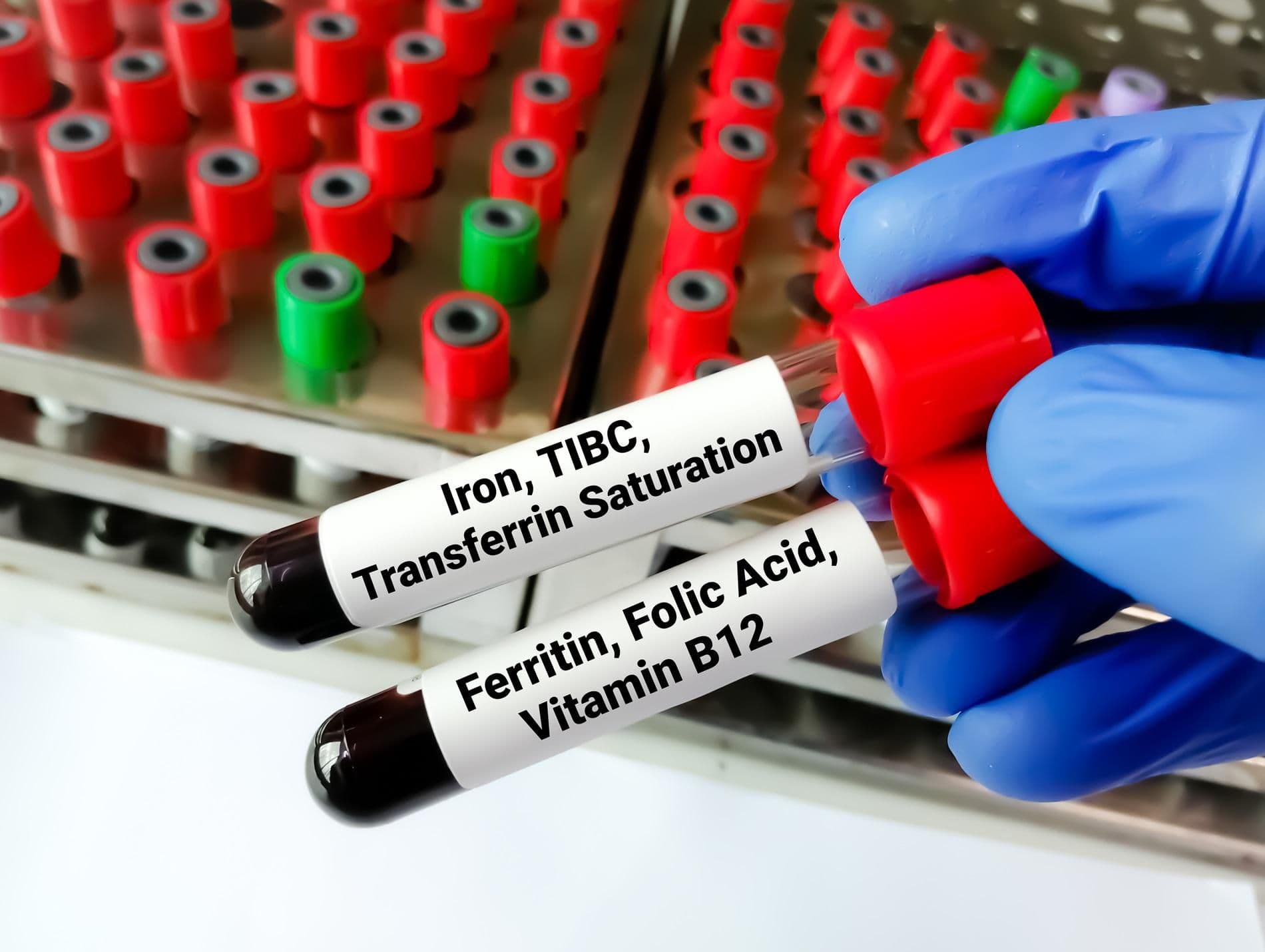
That’s where the iron profile test becomes extremely valuable. Rather than looking at a single iron number, the iron profile test examines several iron-related markers together, including ferritin levels, the TIBC test, and transferrin saturation. This combination helps clinicians understand whether your body has enough stored iron, whether iron transport is functioning properly, and whether iron deficiency causes (like blood loss or malabsorption) are likely.
If you’ve been feeling unusually tired, experiencing hair loss, breathlessness, or weakness, or if your doctor suspects anemia, the iron profile test can help identify the underlying iron imbalance early and guide appropriate treatment.
What Is an Iron Profile Test?
An iron profile test is a panel of blood tests that evaluates iron metabolism, how iron is absorbed, transported, stored, and utilized. Since iron shifts between compartments in the body (blood, storage, and tissues) no single test can reliably explain iron status in every person. That’s why the iron profile test uses multiple measurements.
Key Components of the Iron Profile Test
1. Serum Iron: This measures the amount of iron circulating in your blood at the time of testing. Serum iron can fluctuate with diet, time of day, infections, and inflammation, so it is most useful when interpreted alongside other values like transferrin saturation and the TIBC test.
2. TIBC Test (Total Iron-Binding Capacity): The TIBC test estimates how much iron your blood could carry if transferrin were fully loaded. Transferrin is the main iron transport protein. In iron deficiency, the body often produces more transferrin to “grab” more iron, TIBC tends to rise. In iron overload or chronic inflammation, TIBC can be normal or low.
3. Transferrin Saturation: Transferrin saturation tells you how much of transferrin is actually carrying iron. This percentage is critical because it reflects the “functional” iron available for hemoglobin production and other processes. Low transferrin saturation strongly supports iron deficiency, while high transferrin saturation can suggest iron overload, especially when ferritin levels are also high.
4. Ferritin Levels: Ferritin levels reflect iron stores, your body’s “iron bank.” Low ferritin is one of the earliest and most reliable signals of iron deficiency. However, ferritin is also an acute-phase reactant (it rises with inflammation), so normal or high ferritin does not always rule out iron deficiency if inflammation is present.
5. UIBC (Unsaturated Iron-Binding Capacity): UIBC estimates how much transferrin still has room to bind additional iron. It helps refine interpretation, especially when serum iron and TIBC patterns are borderline.
When Is an Iron Profile Test Done?
An iron profile test is typically ordered when symptoms, risk factors, or other blood tests suggest a possible iron imbalance.
Common Clinical Reasons for an Iron Profile Test
- Suspected anemia or low hemoglobin on CBC: A Complete Blood Count (CBC) might show low hemoglobin, low hematocrit, or small red blood cells (low MCV). The iron profile test helps determine if the anemia is due to iron deficiency causes or other conditions like inflammation or vitamin deficiency.
- Unexplained fatigue and weakness: Iron deficiency can cause fatigue even before anemia develops. Low ferritin levels may appear early, while hemoglobin remains normal, this is why the iron profile test is useful for early detection.
- Heavy menstrual bleeding or chronic blood loss: Heavy periods are among the most common iron deficiency causes in women. Gastrointestinal bleeding (ulcers, polyps, hemorrhoids, gastritis, colon disease) is also a major cause, especially in men and postmenopausal women.
- Malabsorption risk: Conditions like celiac disease, inflammatory bowel disease, and post-bariatric surgery states can reduce iron absorption. In these cases, the iron profile test helps detect deficiency early and monitor recovery.
- Monitoring iron therapy: If you are taking iron supplements, an iron profile test (including ferritin levels and transferrin saturation) can monitor whether stores are rebuilding and prevent excess dosing.
- Suspected iron overload: If ferritin levels and transferrin saturation are high, doctors may evaluate for conditions like hereditary hemochromatosis or repeated transfusions.
Symptoms and Iron Deficiency Causes You Should Not Ignore
Iron deficiency often develops gradually. Many people adapt to symptoms without realizing they are abnormal.
1. Common Symptoms of Iron Deficiency
- Persistent fatigue, low stamina, or poor exercise tolerance
- Weakness and lethargy
- Pale skin, pale inner eyelids, pale gums
- Shortness of breath, especially on exertion
- Dizziness or frequent headaches
- Cold hands and feet
- Hair thinning, hair loss, brittle nails
- Restless legs syndrome
- Palpitations (in some cases)
- Poor concentration and irritability
2. Major Iron Deficiency Causes
- Inadequate intake: Low iron intake, poor diet quality, restrictive diets
- Blood loss: Heavy menstrual bleeding, GI bleeding, frequent donation
- Malabsorption: Celiac disease, Crohn’s disease, bariatric surgery
- Increased demand: Pregnancy, adolescence, rapid growth, endurance training
Identifying the root iron deficiency causes is essential, otherwise deficiency often returns even after supplementation.
Difference Between Iron Deficiency and Anaemia
This is a key concept for patient education:
1. Iron Deficiency
- Iron deficiency means iron stores are low, often reflected by low ferritin levels.
- Hemoglobin may still be normal.
- Symptoms can still occur.
- This is an early stage, highly treatable if caught.
2. Iron Deficiency Anemia
- Iron deficiency anemia occurs when low iron stores eventually reduce hemoglobin production.
- Hemoglobin falls.
- RBC indices often show microcytosis (low MCV).
- Symptoms typically worsen.
An iron profile test helps detect iron deficiency before anemia develops and helps confirm the iron-related cause once anemia is present.
Understanding Results - Ferritin Levels, TIBC Test & Transferrin Saturation Patterns
Interpreting an iron profile test is about patterns, not a single number.
1. Pattern Suggesting Iron Deficiency
- Low ferritin levels
- Low serum iron
- High TIBC test
- Low transferrin saturation (often <20%)
2. Pattern Suggesting Iron Overload
- High ferritin levels
- High serum iron
- Low/normal TIBC test
- High transferrin saturation (often >45–50%)
3. Pattern Suggesting Anemia of Chronic Disease/Inflammation
This is where interpretation becomes nuanced:
- Ferritin may be normal or high (because inflammation raises ferritin)
- Serum iron may be low
- TIBC is often low/normal
- Transferrin saturation may be low/normal
This is why clinical context and sometimes additional markers (like CRP) are important.
Normal Ranges in an Iron Profile Test
Ranges vary by lab, but commonly:
- Serum iron: ~60–170 mcg/dL
- Ferritin levels:
- Men: ~30–300 ng/mL
- Women: ~20–150 ng/mL
- TIBC test: ~240–450 mcg/dL
- Transferrin saturation: ~20–50%
Your doctor will interpret these against your age, pregnancy status, inflammation markers, and symptoms.
Iron Testing for Women, Children & Pregnant Mothers
1. Women
Women commonly experience iron deficiency causes due to menstrual blood loss, postpartum iron depletion, and dietary gaps. Low ferritin levels can occur even with normal hemoglobin, and symptoms like fatigue, hair fall, and restless legs may be early clues.
2. Children and Adolescents
Iron is crucial for brain development, growth, and immunity. Deficiency can affect attention, learning, and behavior. Risk rises in picky eaters and adolescents during growth bursts, making the iron profile test helpful to detect problems early.
3. Pregnant Mothers
Pregnancy dramatically increases iron requirement due to fetal growth and expanded maternal blood volume. Low ferritin levels increase risk of maternal fatigue and anemia, while severe anemia increases risk of preterm birth and low birth weight. Monitoring transferrin saturation and ferritin levels helps guide safe supplementation.
Diet & Nutritional Factors Affecting Iron Levels
Diet is central to both prevention and recovery.
1. Types of Iron in Food
- Heme iron (better absorbed): Meat, poultry, fish
- Non-heme iron: Legumes, spinach, grains, seeds
2. What Improves Absorption
- Vitamin C (citrus, amla, guava, tomatoes, peppers) with meals
- Fermentation/soaking of legumes and grains reduces phytates
- Taking iron supplements as advised (often away from calcium)
3. What Reduces Absorption
- Tea/coffee near meals (tannins)
- High-calcium foods or supplements taken with iron
- Phytate-rich foods (unsoaked grains/legumes)
- Some antacids or acid-suppressing medications
If your iron deficiency causes are diet-related, nutrition fixes are just as important as supplements.
Iron Overload - When High Iron Is the Problem
Iron overload can damage organs like the liver, heart, and pancreas over time.
Common Causes
- Hereditary hemochromatosis
- Frequent transfusions
- Excess supplementation without monitoring
A classic pattern is high ferritin levels plus high transferrin saturation (often with low/normal TIBC test). This requires medical supervision, do not self-treat.
Iron Profile Test Cost and Practical Notes
The iron profile test price depends on city, lab, and whether additional tests are added (CBC, CRP, vitamin B12, folate). Many labs bundle iron profile tests into anemia or fatigue packages.
Helpful add-on tests (when clinically relevant)
- CBC + RBC indices (MCV, MCH)
- CRP (to interpret ferritin levels during inflammation)
- Vitamin B12 and folate (other anemia causes)
- Reticulocyte count (bone marrow response)
The iron profile test is one of the most useful tools for diagnosing and monitoring iron imbalance. By evaluating ferritin levels, the TIBC test, and transferrin saturation, it helps identify iron deficiency causes, distinguish iron deficiency from anemia, and detect iron overload early. If you have persistent fatigue, hair loss, breathlessness, or risk factors like heavy menstrual bleeding or pregnancy, an iron profile test can provide clear direction for next steps.