Complete Blood Count (CBC) Test: Booking, Price, and Results
About Complete Blood Count (CBC) Test: Booking, Price, and Results
| Field | Value |
|---|---|
| Also Known As | Haemogram Test, Full Blood Count (FBC) Test |
| Sample Type | Venous blood (collected in an EDTA tube containing an anticoagulant) |
| Fasting Required | Not required |
| Report Time | Same day or within 24 hours |
| Recommended For | All ages and genders |
| Price | Starting at ₹250 |
What Is a Complete Blood Count (CBC) Test?
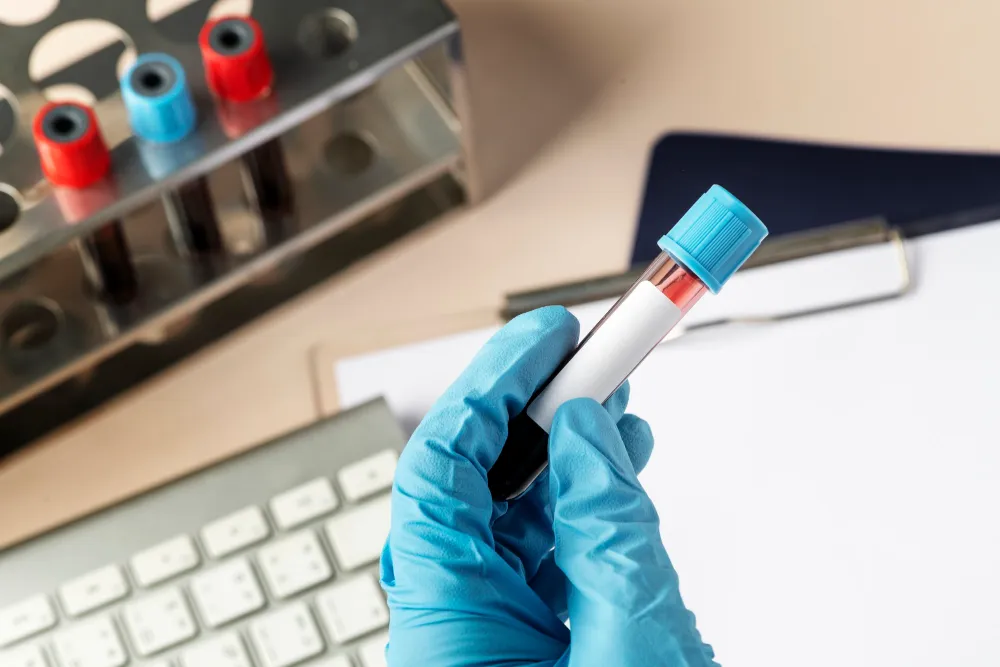
A complete blood count (CBC) test is a routine blood test that measures the number, size, and type of cells in your blood. Doctors prescribe it to check your general health, investigate symptoms, and monitor existing conditions. It is also called a haemogram test or a full blood count (FBC) test. A small sample of blood is drawn from a vein in your arm for the test.
What Does a Complete Blood Count (CBC) Test Measure?
The full blood count test examines three main types of blood cells: red blood cells, white blood cells, and platelets. Each component gives your doctor a different piece of information about your health. Here are the key parameters included in a haemogram test:
| Parameter | What It Measures |
|---|---|
| Red Blood Cells (RBC) | Cells that carry oxygen from your lungs to the rest of your body |
| Haemoglobin (Hb) | An iron-rich protein in red blood cells responsible for oxygen transport |
| Haematocrit (Hct) | The percentage of your blood volume made up of red blood cells |
| Mean Corpuscular Volume (MCV) | The average size of your red blood cells |
| Mean Corpuscular Haemoglobin (MCH) | The amount of haemoglobin present in each red blood cell |
| Mean Corpuscular Haemoglobin Concentration (MCHC) | The average concentration of haemoglobin inside red blood cells |
| White Blood Cells (WBC) | Cells that help your body fight infections and disease |
| Platelets (Thrombocytes) | Tiny cells that help your blood clot when you bleed |
Why Is a Complete Blood Count (CBC) Test Done?
A doctor may order a complete blood count (CBC) test to investigate a range of symptoms, confirm diagnoses, and keep track of treatment progress.
Common Symptoms That May Require This Test
Your doctor may recommend a haemogram test if you are experiencing any of the following symptoms.
- Unexplained fatigue or weakness
- Pale skin
- Persistent fever
- Easy bruising or unusual bleeding
- Recurrent infections
- Unexplained weight loss
- Night sweats
Conditions This Test Can Help Detect
The complete blood count (CBC) test can help identify a wide range of conditions. These include:
- Anaemia (low red blood cells or haemoglobin), which may be linked to iron deficiency, vitamin B12 or folate deficiency, or kidney disease
- Infections or medication reactions, indicated by a high white blood cell count
- Bone marrow disorders or autoimmune conditions, suggested by a low white blood cell count
- Blood cancers such as leukaemia and lymphoma
- Polycythaemia (too many red blood cells)
- Thrombocytopenia (low platelets) or thrombocytosis (high platelets)
- Thalassaemia and other haemoglobin disorders
Complete Blood Count (CBC) Test During Pregnancy
A full blood count (FBC) test is a standard part of antenatal care. It is routinely ordered at the first antenatal visit and often repeated in the second trimester. During pregnancy, the blood becomes more diluted as plasma volume expands faster than red blood cell mass increases. This causes a natural fall in haemoglobin, haematocrit, and red blood cell count. The test helps doctors monitor for anaemia, track platelet levels, and assess the immune response throughout the pregnancy.
Complete Blood Count (CBC) Test for Chronic Disease Monitoring
For patients with ongoing conditions, a complete blood count (CBC) test is a key monitoring tool. People undergoing chemotherapy typically have their blood counts checked before each treatment cycle, as these medications can suppress bone marrow and reduce all blood cell counts. Patients with chronic kidney disease, blood disorders, or leukaemia also receive regular CBC tests to track their condition and adjust treatment as needed.
How to Prepare and What to Expect
The complete blood count (CBC) test requires very little preparation. Here is what you need to know before your appointment.
Do You Need to Fast?
Fasting is not required for the full blood count (FBC) test. You can eat and drink normally before the test. However, if your doctor has also ordered other tests that require fasting, you should follow those fasting instructions.
Practical Tips Before Your Test
A little preparation helps the collection go smoothly. Keep these points in mind.
- Drink enough water before the test; being well hydrated makes veins easier to locate
- Inform the phlebotomist (the person collecting your blood) about any medications you are taking
- Wear a top with loose or short sleeves for easy access to your arm
- Avoid strenuous exercise immediately before your appointment, as activity levels can influence results
Step-by-Step Procedure
Here is what happens during a typical blood sample collection:
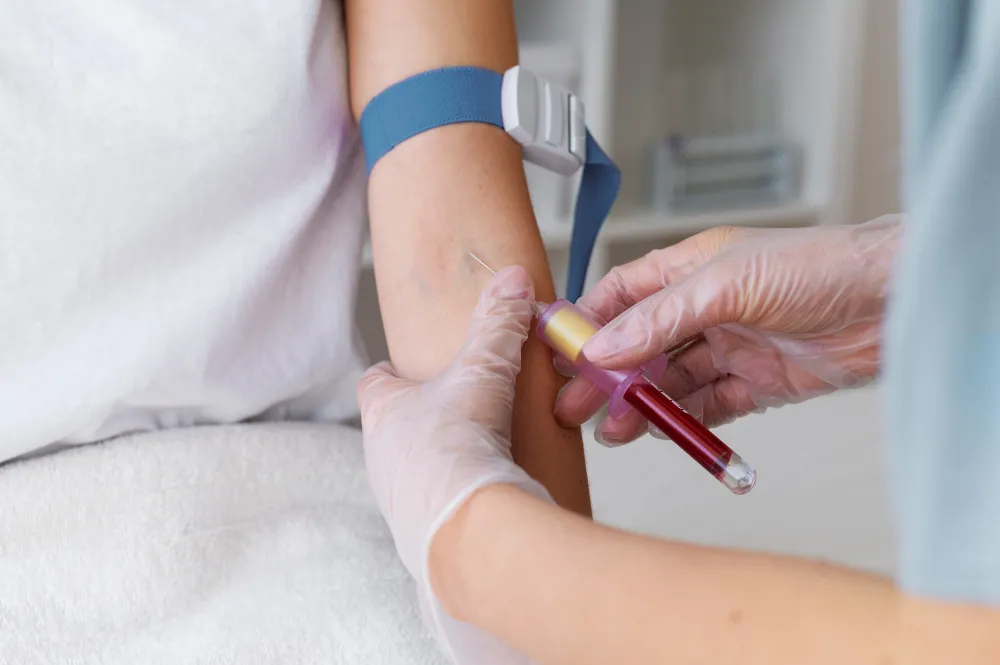
- A trained phlebotomist will ask you to sit comfortably and extend your arm.
- An elastic band (tourniquet) is tied around your upper arm to make the veins more prominent.
- The skin over the vein is cleaned with an antiseptic wipe.
- A small needle is gently inserted into the vein, and a small amount of blood is drawn into a tube.
- You may feel a brief sting. The entire process usually takes less than five minutes.
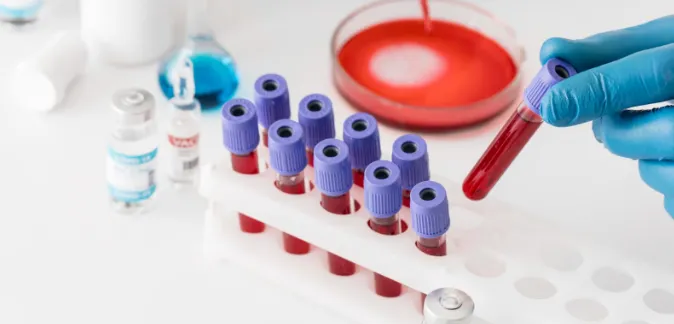
- The tube is labelled and sent to the laboratory for analysis.
Factors That Can Affect Accuracy
Certain factors can influence your results. These include:
- Dehydration or overhydration at the time of the test
- Recent intense physical activity
- Certain medications, including steroids and chemotherapy medicines
- A haemolysed (damaged) or clotted blood sample
- Menstruation, which may affect some red blood cell parameters
Understanding Your Complete Blood Count (CBC) Test Results
Your results should always be reviewed with your doctor, who will consider them alongside your symptoms, age, and medical history. The table below shows general reference ranges for adults:
| Parameter | Normal Blood Counts |
|---|---|
| RBC count (Male) | 4.7 to 6.1 million cells/mcL |
| RBC count (Female) | 4.2 to 5.4 million cells/mcL |
| WBC count | 4,500 to 10,000 cells/mcL |
| Hematocrit (Male) | 40.7% to 50.3% |
| Hematocrit (Female) | 36.1% to 44.3% |
| Hemoglobin (Male) | 13.8 to 17.2 gm/dL |
| Hemoglobin (Female) | 12.1 to 15.1 gm/dL |
| MCV | 80 to 95 femtolitres |
| MCH | 27 to 31 pg/cell |
| MCHC | 32 to 36 gm/dL |
| Platelet count | 150,000 to 450,000/dL |
These ranges are general guidelines. Your doctor will interpret your results based on your age, health history, and other factors. Always consult a qualified healthcare professional for personalised medical advice.
Results During Special Conditions
Certain health states can shift your haemogram test values in predictable ways:
- During pregnancy, a fall in haemoglobin, haematocrit, and red blood cell count is a normal physiological response to increased plasma volume. Mild thrombocytopenia and mild neutrophilia (a rise in a type of white blood cell) may also occur.
- Chemotherapy suppresses bone marrow activity, which typically lowers red blood cell, white blood cell, and platelet counts across the board.
- In chronic kidney disease, reduced production of erythropoietin (the hormone that signals the body to make red blood cells) often leads to anaemia.
- High blood sugar or high sodium levels can cause red blood cells to swell, which may affect the MCV reading.
How to Maintain Healthy Levels
These general tips support normal blood cell production:
- Eat a varied diet that includes iron-rich foods such as leafy greens and lentils, as well as foods high in vitamin B12 and folate
- Drink enough water throughout the day to stay well hydrated
- Avoid smoking and limit alcohol intake, as both can affect blood cell health over time
Lupin Diagnostics Complete Blood Count (CBC) Test Price and Home Collection
The complete blood count (CBC) test price at Lupin Diagnostics starts at ₹250, and home sample collection is available across cities in India. The table below gives an overview of approximate prices in major cities:
| City | Approximate Price ( ₹) |
|---|---|
| Mumbai | ₹280 |
| Hyderabad | ₹280 |
| Kolkata | ₹330 |
| Bengaluru | ₹350 |
| Chennai | ₹280 |
| Pune | ₹250 |
Prices are indicative and may vary by location. Please confirm the current price at the time of booking.
How to Book
Booking your complete blood count (CBC) test with Lupin Diagnostics is straightforward:
- Select the test on the Lupin Diagnostics website.
- Choose your city and preferred time slot.
- Opt for home sample collection by a certified phlebotomist, or visit your nearest Lupin Diagnostics centre.
- Receive your report via email or WhatsApp within the stipulated turnaround time.
Home Collection
Lupin Diagnostics offers home blood collection for the haemogram test across multiple cities. Your sample is processed in NABL-accredited laboratories, ensuring quality at every step. Once ready, your digital report is shared directly with you via email or WhatsApp.
Frequently Asked Questions
A complete blood count (CBC) test measures the number and size of red blood cells, white blood cells, and platelets in your blood. Doctors use it to screen for conditions such as anaemia and infections, monitor chronic illnesses, and assess the health of your immune system.
No, fasting is not required for a CBC blood test. You can eat and drink as usual before the test. If other tests that require fasting are being done at the same time, your doctor will let you know.
Low haemoglobin may point to anaemia, which can result from iron deficiency, low vitamin B12 or folate, chronic disease, or blood loss. Your doctor will review the result alongside your other CBC parameters and symptoms before advising any next steps.
Yes. As pregnancy progresses, the liquid component of blood expands more than red blood cell mass does. This causes haemoglobin, haematocrit, and red blood cell counts to fall naturally. This process, called haemodilution, is a normal part of a healthy pregnancy.
For most healthy adults, a complete blood count (CBC) test is part of a routine annual health check. People with chronic conditions, those receiving chemotherapy, or pregnant women may need the test more frequently, as advised by their doctor.
A haemogram test cannot diagnose cancer on its own, but it can flag abnormalities that warrant further investigation. Unusually high or low white blood cell counts, for example, may prompt a doctor to test for blood cancers such as leukaemia or lymphoma.
Complete Blood Count (CBC) Test: Booking, Price, and Results