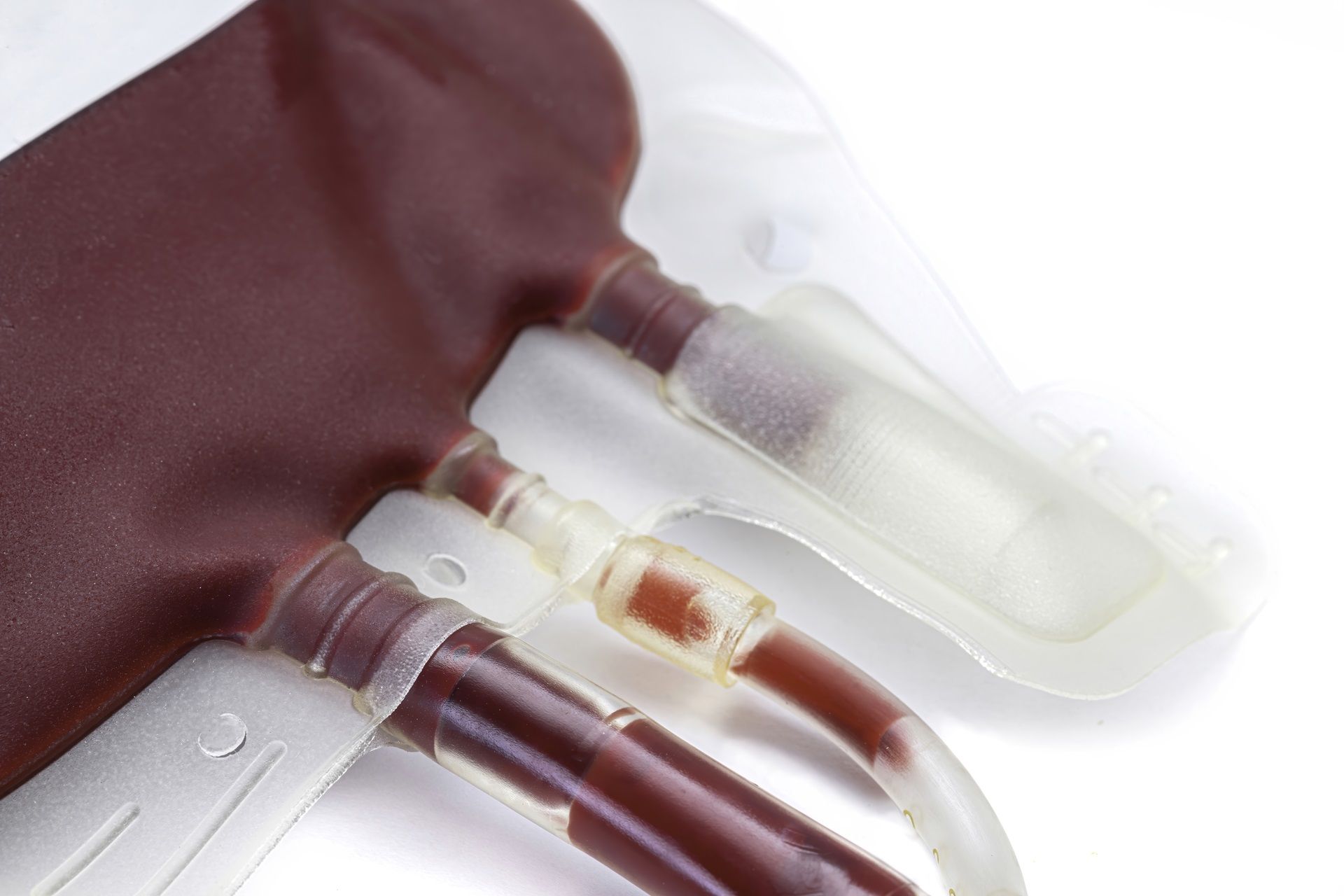
Von Willebrand Factor (vWF) Antigen Test: Booking, Price, and Results
About Von Willebrand Factor (vWF) Antigen Test
| Field | Value |
|---|---|
| Also Known As | vWF Ag Test, vWF Antigen Test, Von Willebrand Antigen Test, Factor VIII-related Antigen Test |
| Sample Type | Venous blood |
| Fasting Required | Not required |
| Report Time | 1 to 3 days |
| Recommended For | All genders and ages; commonly ordered for those with a personal or family history of bleeding disorders |
| Price | Starting at ₹12,500 |
What Is a Von Willebrand Factor (vWF) Antigen Test?
The Von Willebrand factor (vWF) antigen test measures the amount of a specific protein called von Willebrand factor in your blood. This protein plays a key role in helping blood clot properly after an injury. Doctors order this test when a patient shows signs of unusual or prolonged bleeding or when there is a family history of a bleeding disorder. The test is also referred to as the vWF Ag test, the vWF antigen test, the Von Willebrand antigen test, or the factor VIII-related antigen test. The sample collected is venous blood, drawn from a vein in your arm.
What Does a Von Willebrand Factor (vWF) Antigen Test Measure?
The vWF Ag test measures the quantity of von Willebrand factor protein present in your blood plasma. The table below summarises what the test analyses:
| Parameter | What It Tells You |
|---|---|
| vWF Antigen (vWF:Ag) | The total amount of von Willebrand factor protein circulating in your blood vWF is a protein that links platelets to damaged blood vessel walls, forming the initial plug that stops bleeding. It also carries and stabilises clotting factor VIII, which is essential for proper clot formation. |
Why Is a Von Willebrand Factor (vWF) Antigen Test Done?
This test is used to investigate unexplained bleeding, confirm a suspected diagnosis, or monitor treatment in patients already diagnosed with a bleeding disorder.
Common Symptoms That May Require This Test
- Easy or unexplained bruising
- Frequent or prolonged nosebleeds
- Excessive bleeding after an injury, dental procedure, or surgery
- Heavy or prolonged menstrual bleeding
- Blood in urine or stool
- Heavy bleeding during or after childbirth
Conditions This Test Can Help Detect
The von Willebrand antigen test helps identify or rule out several conditions:
- Von Willebrand disease (VWD), a common inherited bleeding disorder caused by insufficient or poorly functioning vWF protein
- Different subtypes of VWD, including type 1 (the most common), type 2 variants, and type 3 (the most severe and rarest form)
- Haemophilia A, by helping distinguish it from VWD since both can cause similar bleeding symptoms
- Acquired von Willebrand disease linked to conditions such as autoimmune disorders, hypothyroidism (an underactive thyroid), or certain blood cancers
Von Willebrand Factor (vWF) Antigen Test for Chronic Disease Monitoring
For patients already diagnosed with VWD, this test has an important ongoing role. It helps doctors assess how well a patient is responding to treatment, such as desmopressin (a synthetic hormone that encourages the body to release more vWF) or von Willebrand factor concentrates. It is also recommended before surgical procedures or during pregnancy in patients with known VWD to guide clinical decisions.
How to Prepare and What to Expect
Knowing what to do before the test helps ensure your sample is accurate and your results are reliable.
Do You Need to Fast?
Fasting is not typically required for this test. However, if your doctor has ordered additional tests alongside the von Willebrand antigen test, fasting may be required for those specific tests. Always follow the instructions given by your doctor or the diagnostic centre at the time of booking.
Practical Tips Before Your Test
- Inform your doctor about any medications (such as aspirin, NSAIDs, or anticoagulants) that may affect clotting
- Do not get tested right after receiving a blood transfusion or vWF replacement therapy
- Let your doctor know if you are experiencing stress or illness or have recently had an infection, as these can affect your results
- Share any personal or family history of bleeding disorders with your healthcare provider
Step-by-Step Procedure
Here is what to expect during your sample collection:
- A trained phlebotomist cleans the skin on the inside of your elbow with an antiseptic.
- A soft elastic band is wrapped around your upper arm to make the vein more visible.
- A small needle is inserted and blood is drawn into a special blue-top tube containing sodium citrate.
- The tube is gently inverted a few times to mix the blood with the preservative and prevent clotting.
- The needle is removed, and a small bandage is placed over the site.
- The sample is transported to the laboratory for analysis.
Factors That Can Affect Accuracy
Several factors may influence the reliability of your factor VIII-related antigen test result:
- Stress, recent infection, vigorous exercise, or surgery can temporarily increase vWF levels
- Pregnancy raises vWF levels significantly, particularly in the second and third trimesters
- Rheumatoid factor in the blood may cause the test to overestimate vWF levels
- Fatty (lipaemic) blood samples can lead to an underestimate of the true vWF level
- Improper tube filling, platelet contamination, or poor sample handling during transport can all affect accuracy
Understanding Your Von Willebrand Factor (vWF) Antigen Test Results
Results from the Von Willebrand factor (vWF) antigen test must always be reviewed by a doctor alongside your symptoms, personal history, and other test findings. The table below shows general reference ranges:
| vWF Antigen Level | Interpretation |
|---|---|
| 50–200% of normal | Normal range |
| 30–50% of normal | Mild von Willebrand disease |
| <30% of normal | Severe von Willebrand disease |
Increased vWF antigen levels may occur in response to stress, pregnancy, inflammation, or cardiovascular disease.
These ranges are general guidelines. Your doctor will interpret your results based on your age, health history, and other factors. Always consult a qualified healthcare professional for personalised medical advice.
Results During Special Conditions
- During the second and third trimesters of pregnancy, vWF levels can rise two to three times above baseline.
- People with blood group O have approximately 25 to 30% lower vWF levels compared to those with other blood groups.
- Levels can temporarily rise with stress, inflammation, surgery, infection, physical activity, or oestrogen-based medicines such as oral contraceptives.
How to Maintain Healthy Levels
Because vWF levels are largely determined by genetics, there are no specific dietary changes that directly alter them. However, the following general steps support overall health:
- Stay well hydrated and maintain a balanced diet to support circulatory health.
- Avoid medicines known to worsen bleeding, such as aspirin or non-steroidal anti-inflammatory drugs (NSAIDs), unless specifically approved by your doctor.
- If you have been diagnosed with VWD, regular follow-up with a haematologist (a blood specialist) is important for managing your condition safely.
Lupin Diagnostics Von Willebrand Factor (vWF) Antigen Test Price and Home Collection
The von Willebrand antigen test is available at Lupin Diagnostics, with prices starting at approximately ₹12500, depending on your city. Home sample collection is available across select cities. The table below shows approximate city-wise prices:
| City | Approximate Price (₹) |
|---|---|
| Mumbai | ₹12500 |
| Bengaluru | ₹12500 |
| Chennai | ₹12500 |
| Hyderabad | ₹12500 |
| Kolkata | ₹12500 |
| Pune | ₹12500 |
Prices are indicative and may vary by location. Please confirm the current price at the time of booking.
Home Collection
Lupin Diagnostics offers home sample collection for the Von Willebrand factor (vWF) antigen test across multiple cities. All samples are processed in NABL-accredited laboratories by experienced professionals. Digital reports are delivered directly to you via email or WhatsApp for easy access and sharing with your doctor.
How to Book
Booking your Von Willebrand factor (vWF) antigen test with Lupin Diagnostics is straightforward:
- Select the test on the Lupin Diagnostics website.
- Choose your city and preferred time slot.
- Opt for home sample collection by a certified phlebotomist, or visit your nearest Lupin Diagnostics centre.
- Receive your report via email or WhatsApp within the stipulated turnaround time.
Frequently Asked Questions
Von Willebrand factor is a protein that acts as a bridge between platelets and a damaged blood vessel wall. When a vessel is injured, vWF helps platelets stick together at the site, triggering the clotting process. Without enough vWF, blood takes longer to clot, which can lead to prolonged or heavy bleeding.
The vWF Ag test is typically ordered for people who experience unexplained or repeated episodes of heavy bleeding or who have a family member diagnosed with a bleeding disorder. Your doctor may also order it before a planned surgery if you have a history of excessive bleeding.
The Von Willebrand factor (vWF) antigen test measures the quantity of the protein but not how well it works. For a complete picture, doctors often order it together with vWF ristocetin cofactor activity (which checks vWF function) and factor VIII activity. Together, these tests help classify the type and severity of the condition more accurately.
Yes, vWF levels can vary in the same person over time. Factors such as ageing, stress, exercise, acute infections, pregnancy, and certain medicines can all cause levels to rise temporarily. This is why repeat testing at a different time may be recommended if results are inconclusive.
Von Willebrand disease (VWD) has no cure, but it can be effectively managed with proper treatment and monitoring. Common treatment options include desmopressin (DDAVP), clotting factor concentrates, and antifibrinolytic medicines to help control or prevent bleeding episodes. A haematologist may also recommend specific precautions before surgeries or dental procedures to reduce bleeding risk. With appropriate care, many people with VWD can lead normal, healthy lives.
Yes, this is possible, particularly in mild forms of VWD. In some cases, vWF levels fall within the normal range at the time of testing but may dip lower under different conditions. If symptoms persist, your doctor may request repeat testing or additional investigations.
The Von Willebrand factor (vWF) antigen test involves a routine blood draw from a vein in your arm. Most people feel only a brief, mild discomfort during the needle insertion. The procedure carries minimal risk, and any minor bruising or soreness at the collection site usually clears up quickly.
Von Willebrand Factor (vWF) Antigen Test: Booking, Price, and Results