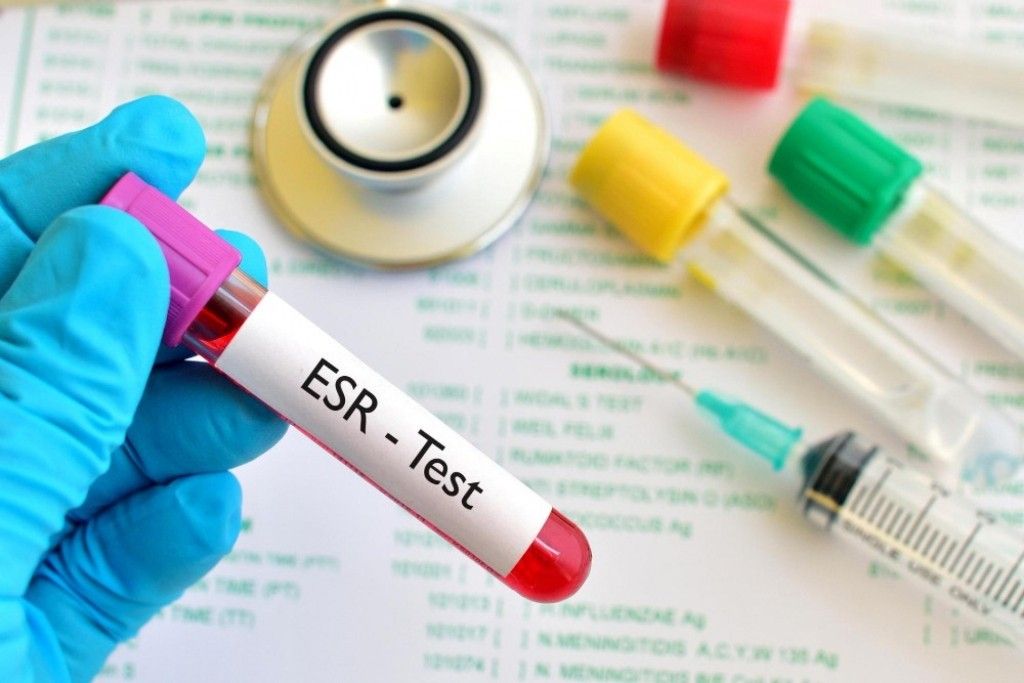
Typhidot IgM (Typhidot IgM) Test: Booking, Price, and Results
About Typhidot IgM (Typhidot IgM) Test
| Field | Value |
|---|---|
| Also Known As | Typhidot IgM, Typhi Dot IgM, Salmonella typhi IgM Antibody Test, Typhoid IgM Test, S. Typhi IgM Test |
| Sample Type | Venous blood (serum or plasma) |
| Fasting Required | No fasting required |
| Report Time | 1 to 4 hours (same day) |
| Recommended For | All ages, both genders |
| Price | Starting at ₹192 |
What Is a Typhidot IgM (Typhidot IgM) Test?
The Typhidot IgM test is a blood test used to detect whether your body has recently mounted an immune response against Salmonella typhi, the bacterium responsible for typhoid fever. It works by detecting IgM (immunoglobulin M) antibodies in your blood. Doctors typically order this test when a patient presents with prolonged fever or other symptoms suggestive of typhoid. It is also known as the Salmonella typhi IgM test, Typhi Dot IgM, or Typhoid Antibody test.
What Does a Typhidot IgM (Typhidot IgM) Test Measure?
The Typhidot IgM test targets a specific protein on the outer surface of Salmonella typhi. When your body encounters this bacterium, it produces IgM antibodies as part of its initial defence mechanism. The test detects the presence of these antibodies in your blood sample.
The table below shows what the test looks for and what a result means:
| Parameter | What It Indicates |
|---|---|
| IgM Antibodies (immunoglobulin M) | Produced early during a new infection, their presence suggests an active or very recent typhoid infection |
Why Is a Typhidot IgM (Typhidot IgM) Test Done?
Your doctor may order a Typhoid Antibody test when typhoid fever is suspected based on your symptoms or recent history.
Common Symptoms That May Require This Test
The following symptoms are typical reasons a doctor may recommend this test:
- Prolonged high fever lasting several days
- Persistent fatigue and weakness
- Headache
- Nausea or vomiting
- Abdominal pain or discomfort
- Constipation or diarrhoea
Conditions This Test Can Help Detect
The Typhidot IgM test can help identify the following conditions:
- Acute typhoid fever caused by Salmonella typhi
- Recurrent or relapsing typhoid infections
- Typhoid in patients whose fever may resemble other illnesses such as dengue, malaria, or leptospirosis
- Suspected typhoid following travel to areas where the disease is common or after contact with an infected person
How to Prepare and What to Expect
No special preparation is needed for the Typhidot IgM test, but a few simple steps will help things go smoothly.
Do You Need to Fast?
No fasting is required. You can eat and drink as you normally would before the test. If your doctor has ordered other tests at the same time, ask whether any of those require fasting.
Practical Tips Before Your Test
The following steps can help ensure an accurate sample collection:
- Drink plenty of water beforehand to make blood collection easier
- Avoid strenuous physical activity for at least 24 hours before the test
- Do not consume alcohol before the test, as it may temporarily affect blood chemistry
- Inform the person collecting your sample about any medications, supplements, or antibiotics you are currently taking
Step-by-Step Procedure
Here is what you can expect during sample collection:
- A trained phlebotomist (a person qualified to draw blood) will tie a soft band around your upper arm to help locate a suitable vein.
- The skin over the selected vein is cleaned with an antiseptic wipe.
- A sterile needle is gently inserted into the vein to draw a small amount of blood.
- The blood is collected in a labelled tube, and the needle is removed. A small cotton swab is placed over the site.
- The labelled sample is prepared and dispatched to the laboratory for analysis.
- Your report is typically ready within 1 to 4 hours of collection.
Factors That Can Affect Accuracy
Several factors may influence how reliable your result is:
- Testing too early (within the first 2 to 3 days of symptoms) or too late may lead to a negative result, even if the infection is present
- Prior use of antibiotics can suppress antibody production and produce a false-negative result
- A weakened immune system may reduce the body's antibody response
- Cross-reactivity with other infections, such as dengue fever, can occasionally produce a false-positive result
Understanding Your Typhidot IgM (Typhidot IgM) Test Results
Your result will be reported as either positive or negative. Unlike many blood tests, this one does not give a numerical reading. The table below explains what each result means.
| Result | Interpretation |
|---|---|
| Negative | No IgM antibodies detected; no signs of a current or recent typhoid infection |
| Positive | IgM antibodies detected; suggests an active or recent infection with Salmonella typhi |
Disclaimer: These ranges are general guidelines. Your doctor will interpret your results based on your age, health history, and other factors. Always consult a qualified healthcare professional for personalised medical advice.
Results During Special Conditions
Certain conditions can affect how your result should be interpreted:
People with reduced immunity or chronic infections may produce fewer antibodies, making a positive result less likely even when infection is present. Prior antibiotic use can lower antibody levels and reduce the chance of detection. Cross-reactivity with Salmonella paratyphi or other related bacteria may occasionally produce a false-positive reading. Dengue fever has been shown to cause false-positive results in some patients. A positive IgM result can persist for up to three months after successful treatment.
How to Maintain Healthy Levels
The following general hygiene and lifestyle habits help reduce the risk of typhoid infection:
- Drink only boiled or purified water, particularly in areas where typhoid is common
- Wash your hands thoroughly with soap and water before meals and after using the toilet
- Consider typhoid vaccination if you live in or plan to travel to areas with poor sanitation
Lupin Diagnostics Typhidot IgM (Typhidot IgM) Test Price and Home Collection
The Typhidot IgM test is available at Lupin Diagnostics with home collection at your convenience. Prices start from ₹192, and the table below provides an approximate price guide by city.
| City | Approximate Price (₹) |
|---|---|
| Mumbai | ₹500 |
| Bangalore | ₹500 |
| Hyderabad | ₹480 |
| Chennai | ₹480 |
| Kolkata | ₹480 |
| Ahmednagar | ₹500 |
| Pune | ₹500 |
Disclaimer: Prices are indicative and may vary by location. Please confirm the current price at the time of booking.
How to Book
Select the test on the Lupin Diagnostics website.
- Choose your city and preferred time slot.
- Opt for home sample collection by a certified phlebotomist, or visit your nearest Lupin Diagnostics centre.
- Receive your report via email or WhatsApp within the stipulated turnaround time.
Home Collection
Lupin Diagnostics offers home sample collection for the Salmonella typhi IgM test across cities in India, so you can get tested without stepping out. All samples are processed in NABL-accredited laboratories by trained technologists. Your digital report is delivered to you directly via email or WhatsApp.
Frequently Asked Questions
A positive result indicates that IgM antibodies against Salmonella typhi are present in your blood, suggesting an active or very recent typhoid infection. This does not confirm the diagnosis on its own. Your doctor will review the result alongside your symptoms and may recommend additional tests, such as a blood culture.
The test can usually detect IgM antibodies within 2 to 3 days of symptom onset. Testing very early in the illness, before antibodies have developed, may produce a negative result even if infection is present.
No, fasting is not required. You can eat and drink as normal before the Typhidot IgM test. If other tests have been ordered alongside it, check with your doctor whether any require fasting.
The Typhidot IgM test detects specific antibodies against a particular surface protein of Salmonella typhi and delivers results quickly. The Widal test uses a different method (agglutination reactions) and may take longer to process. Blood culture remains the most definitive way to confirm a typhoid diagnosis.
Yes, taking antibiotics before the test can reduce antibody levels and may lead to a false-negative result. Always inform your doctor and the sample collector about any medications you are currently taking.
Consult your doctor promptly. A positive Typhoid Antibody test result should be interpreted alongside your clinical condition, and your doctor may request a confirmatory test, such as a blood culture. Follow the hygiene advice given by your doctor to avoid spreading the infection to others.
Yes, cross-reactivity has been documented with dengue fever and related bacteria, such as Salmonella paratyphi. A significant proportion of patients with dengue have shown false-positive results on typhoid antibody tests. This is why your doctor will consider your full clinical picture before making a diagnosis.
Typhidot IgM (Typhidot IgM) Test: Booking, Price, and Results