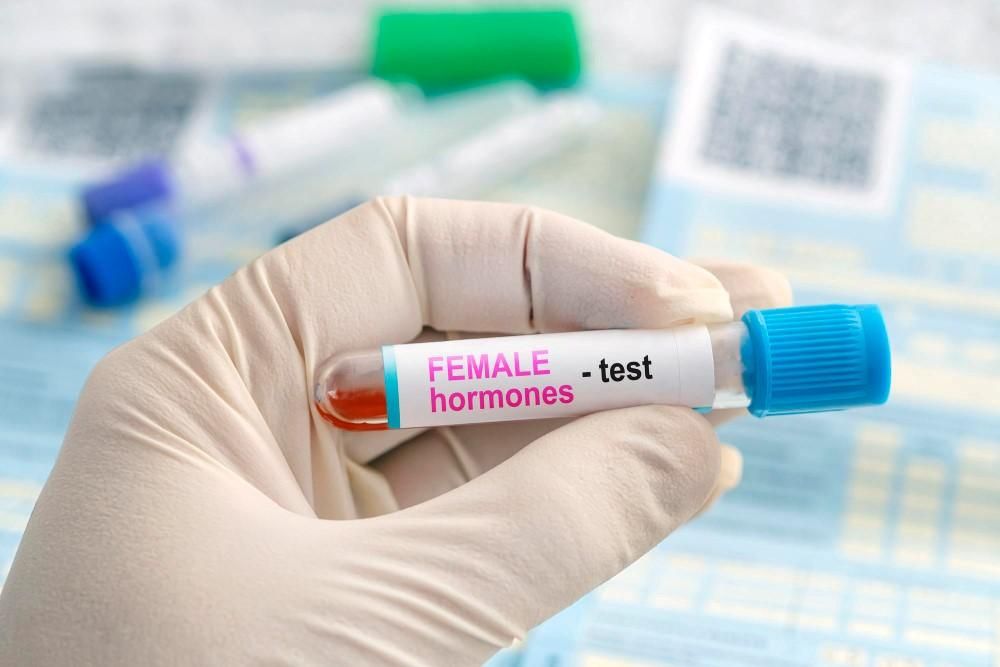
Serum Progesterone Test: Booking, Price, and Results
About Serum Progesterone Test: Booking, Price, and Results
| Field | Value |
|---|---|
| Also Known As | P4 test, Progesterone Blood Test, PGSN, Serum P4 |
| Sample Type | Venous blood (serum) |
| Fasting Required | No |
| Report Time | Within 1 to 3 days |
| Recommended For | Primarily females of reproductive age; may also be ordered for males in specific cases |
| Price | Starting at ₹200 |
What Is a Serum Progesterone Test?
The Serum Progesterone test measures the level of progesterone hormone in a blood sample drawn from a vein in the arm. Progesterone is produced mainly by the ovaries in females and plays a central role in the menstrual cycle and in supporting pregnancy. Also called the P4 test or Progesterone Blood test, it is commonly prescribed by doctors to investigate fertility concerns, monitor pregnancy health, or assess hormonal balance.
What Does a Serum Progesterone Test Measure?
The Serum Progesterone test analyses a single hormone produced primarily by the ovaries in females, as well as by the adrenal glands and, in smaller amounts, by the testes in males. Below is an overview of what the test looks at and why it matters.
| Parameter | What It Tells You |
|---|---|
| Progesterone (serum) | Shows whether the ovaries are releasing eggs normally, whether the uterus is being prepared for pregnancy, and whether hormone levels fall within the expected range for the current menstrual phase or stage of pregnancy |
Why Is a Serum Progesterone Test Done?
A doctor may order this test for several reasons, from investigating cycle irregularities to confirming ovulation.
Common Symptoms That May Require This Test
The following symptoms often lead a doctor to request a Progesterone Blood test:
- Irregular or absent menstrual periods
- Difficulty conceiving
- Vaginal bleeding during pregnancy
- Pelvic pain
- Recurrent miscarriages
- Signs of hormonal imbalance, such as unexplained weight changes
- Mood changes linked to the menstrual cycle
Conditions This Test Can Help Detect
The Serum Progesterone test can provide useful information in identifying or supporting the diagnosis of several conditions, including:
- Female infertility or complications during pregnancy
- Risk of miscarriage or ectopic pregnancy (where a fertilised egg grows outside the uterus)
- Irregular or absent menstrual cycles
- Polycystic ovary syndrome (PCOS) or adrenal gland dysfunction
- Luteal phase insufficiency (insufficient progesterone produced after ovulation)
- Ovarian cysts, molar pregnancies, and certain rare ovarian or adrenal cancers
- Testicular tumours in males
Serum Progesterone Test During Pregnancy
Progesterone is essential for maintaining a healthy pregnancy, particularly in the early months. The corpus luteum (a temporary structure on the ovary formed after egg release) produces progesterone during the first trimester, after which the placenta takes over. Doctors routinely monitor Serum Progesterone levels in high-risk pregnancies or when symptoms suggest a threatened miscarriage, as the hormone helps keep the uterine environment stable for the developing foetus.
Serum Progesterone Test for Chronic Disease Monitoring
This test is also used to track the response of individuals undergoing hormone replacement therapy or assisted reproductive treatments. When a patient is receiving progesterone supplementation as part of fertility treatment, periodic P4 test results help the treating doctor assess whether hormone levels are responding appropriately and adjust the treatment plan as needed.
How to Prepare and What to Expect
Preparing for this test is straightforward, and the procedure itself takes only a few minutes.
Do You Need to Fast?
No, fasting is not required before the Serum Progesterone test. You may eat and drink normally before your appointment.
Practical Tips Before Your Test
Keep the following points in mind before going for the test:
- Tell your doctor about any hormonal medications, birth control pills, or fertility treatments you are taking, as these can affect your results
- Avoid biotin (vitamin B7) supplements for at least 12 hours before sample collection, as high-dose biotin can interfere with the test
- Wear a short-sleeved or loose-fitting top for easy access to the arm
- If the test is being done to check ovulation, your doctor will usually ask you to come around day 21 of a standard 28-day menstrual cycle
Step-by-Step Procedure
Here is what to expect during a typical blood sample collection:
- A trained phlebotomist will ask you to sit comfortably and extend your arm.
- A small area on the inside of your elbow is cleaned with an antiseptic wipe.
- A thin needle is gently inserted into a vein to draw a small amount of blood into a collection tube.
- You may feel a brief sting when the needle goes in and comes out; this passes quickly.
- The puncture site is covered with a small cotton pad or bandage.
- The sample is labelled and sent to the laboratory for analysis.
Factors That Can Affect Accuracy
Certain factors may influence the reliability of your results:
- Timing of the test relative to your menstrual cycle phase
- Use of oestrogen or progesterone supplements
- Biotin supplements taken within 12 hours of the test
- Improper sample handling, such as haemolysis (breakdown of red blood cells)
- Not informing the lab of your last menstrual period date
Understanding Your Serum Progesterone Test Results
Your results need to be reviewed alongside your menstrual cycle phase, age, and overall health history. The table below shows general reference ranges used in most laboratories.
| Group | Normal Range | Unit |
|---|---|---|
| Females, Follicular phase | Less than 1.0 | ng/mL |
| Females, Ovulation phase | Less than 12.1 | ng/mL |
| Females, Luteal phase | 1.8 to 23.9 | ng/mL |
| First trimester (pregnancy) | 11.0 to 90 | ng/mL |
| Second trimester (pregnancy) | 25.4 to 89.4 | ng/mL |
| Third trimester (pregnancy) | 48 to 300 | ng/mL |
| Post-menopausal | Less than 0.5 | ng/mL |
| Adult males | 0.2 to 0.9 | ng/mL |
These ranges are general guidelines. Your doctor will interpret your results based on your age, health history, and other factors. Always consult a qualified healthcare professional for personalised medical advice.
Results During Special Conditions
Certain situations can cause results to appear outside the usual range without necessarily indicating a disease:
- During pregnancy, low progesterone levels may signal a risk of bleeding or miscarriage. Your doctor will assess this alongside other clinical findings.
- Taking oestrogen or progesterone supplements can raise measured levels, making results appear higher than your body naturally produces.
- High-dose biotin (above 5 mg) taken within 12 hours of the test may produce falsely elevated readings.
How to Maintain Healthy Levels
General lifestyle habits that support hormonal health include:
- Eating a balanced diet with foods rich in omega-3 fatty acids (such as flaxseeds and walnuts) and zinc (such as lentils and pumpkin seeds)
- Managing stress with regular physical activity and relaxation practices, as prolonged stress can disrupt hormone production
- Maintaining a healthy body weight, since significant weight gain or loss can affect hormonal balance
Lupin Diagnostics Serum Progesterone Test Price and Home Collection
The Serum Progesterone test price starts at approximately ₹300, and home collection is available across major cities. The table below shows indicative prices by city.
| City | Approximate Price (₹) |
|---|---|
| Mumbai | ₹550 |
| Bengaluru | ₹550 |
| Chennai | ₹590 |
| Hyderabad | ₹500 |
| Kolkata | ₹600 |
| Pune | ₹550 |
| Ahmednagar | ₹550 |
Prices are indicative and may vary by location. Please confirm the current price at the time of booking.
How to Book
- Select the test on the Lupin Diagnostics website.
- Choose your city and preferred time slot.
- Opt for home sample collection by a certified phlebotomist, or visit your nearest Lupin Diagnostics centre.
- Receive your report via email or WhatsApp within the stipulated turnaround time.
Home Collection
Lupin Diagnostics offers home collection for the Serum Progesterone test across cities, with samples collected by trained phlebotomists at a time convenient for you. All samples are processed in NABL-accredited laboratories, ensuring accurate and reliable results. Your digital report is delivered via email or WhatsApp, typically within 48 hours.
Frequently Asked Questions
Normal progesterone levels vary depending on the phase of the menstrual cycle. In the luteal phase, the range is approximately 1.8 to 23.9 ng/mL. During pregnancy, levels are significantly higher and rise with each trimester. Your doctor will interpret your Serum Progesterone test normal range in context with your cycle timing and clinical history.
For ovulation assessment, doctors typically recommend booking the Progesterone Blood test around day 21 of a standard 28-day cycle. This falls in the luteal phase, when progesterone levels naturally peak. If your cycle length differs, your doctor will advise on the best timing.
Yes, the P4 test can be ordered for males in specific situations. Progesterone supports sperm production and general hormonal balance in men. The reference range for adult males is 0.2 to 0.9 ng/mL, which is considerably lower than in females.
No fasting is needed. You can eat and drink as normal before your Serum Progesterone test. The one preparation step to note is avoiding biotin supplements for at least 12 hours beforehand.
You can book the test through the Lupin Diagnostics website by entering your city and selecting your preferred slot. Home collection brings the test to your doorstep, so searching for a Serum Progesterone test near me may not be necessary at all.
Low progesterone in pregnancy may indicate an increased risk of miscarriage or an ectopic pregnancy. This does not mean a problem is certain; your doctor will review the result alongside other clinical signs and may order further tests before drawing any conclusions.
Yes, hormonal medications, including birth control pills, fertility drugs, and hormone replacement therapy, can all affect your results. Always inform your doctor about any supplements or medications you are taking before your Serum Progesterone test so that your results can be interpreted accurately.
Serum Progesterone Test: Booking, Price, and Results