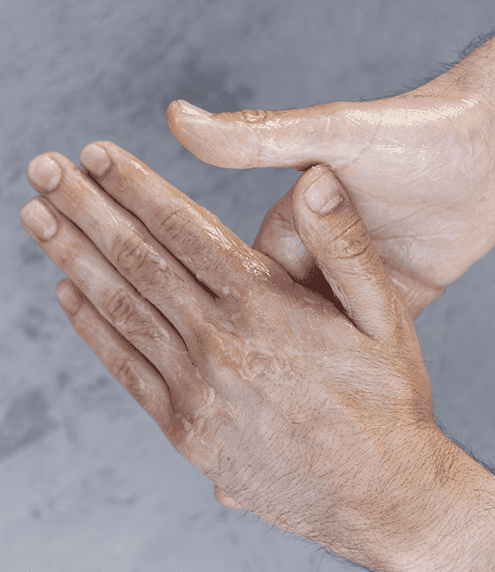
Scleroderma Panel Test: Booking, Price, and Results
About Scleroderma Panel Test
| Field | Value |
|---|---|
| Also Known As | Systemic Sclerosis Panel, SSc Panel, Scleroderma Autoantibody Profile, Scleroderma Diagnostic Profile, Comprehensive Systemic Sclerosis Panel |
| Sample Type | Serum (venous blood) |
| Fasting Required | Not routinely required; some centres recommend 8 to 12 hours fasting. Confirm with your collection centre |
| Report Time | 4 days |
| Recommended For | Adults of any gender; more commonly tested in women aged 30 to 50 years |
| Price | Starting at ₹3,800 |
What Is a Scleroderma Panel Test?
The Scleroderma Panel Test is a blood test that detects specific antibodies produced by the immune system when it mistakenly attacks the body's own tissues. It is used to help diagnose systemic sclerosis, a chronic autoimmune condition that affects the skin and internal organs. Doctors also call it the Systemic Sclerosis Panel or SSc Panel. The test requires a small serum sample drawn from a vein in the arm.
What Does a Scleroderma Panel Test Measure?
The Scleroderma Autoantibody Profile screens for several autoantibodies (proteins produced when the immune system turns against the body's own cells). Each antibody is linked to a different pattern of disease. The parameters tested are listed below.
| Parameter | What It Indicates |
|---|---|
| ANA by IFA (Antinuclear Antibody) | A screening test that detects antibodies targeting cell nuclei |
| Anti-Scl-70 (Anti-topoisomerase I) | Linked to diffuse skin involvement and lung disease |
| Anti-centromere Antibody (ACA) | Associated with the limited cutaneous (CREST) subset of scleroderma |
| Anti-RNA Polymerase III | Suggests risk of kidney complications and progressive skin thickening |
| Anti-U1 RNP | Found in mixed connective tissue disease and overlap syndromes |
| Anti-PM/Scl-100 | Seen in scleroderma overlapping with muscle inflammation |
| Anti-U3 RNP (Fibrillarin) | Associated with severe organ involvement |
| Anti-Th/To | Detected in a small proportion of patients with limited scleroderma |
Why Is a Scleroderma Panel Test Done?
A doctor may request the Scleroderma Diagnostic Profile when a patient shows signs of an autoimmune connective tissue disorder. Below is an overview of when this test is typically recommended.
Common Symptoms That May Require This Test
- Skin thickening or hardening, particularly on the hands and face
- Raynaud's phenomenon (fingers or toes that change colour in cold or with stress)
- Puffy or swollen fingers
- Persistent fatigue and joint or muscle pain
- Unexplained shortness of breath
- High blood pressure due to narrower blood vessels
- Kidney problems
- Heart problems
- Furrowed lines running around the mouth area, above the lips
- Thick, oval, waxy yellow patches surrounded by red, bruised-looking edges
Conditions This Test Can Help Detect
This test helps identify a range of autoimmune conditions. Below are the main conditions it can assist in diagnosing.
- Systemic sclerosis (scleroderma), including both limited and diffuse cutaneous subtypes
- Limited cutaneous scleroderma (previously known as CREST syndrome)
- Mixed connective tissue disease
- Sjögren syndrome
- Scleroderma/myositis overlap syndromes (polymyositis or dermatomyositis overlap)
- Drug-induced lupus
How to Prepare and What to Expect
Preparing for a Comprehensive Systemic Sclerosis Panel is straightforward. Below is everything you need to know before your appointment.
Do You Need to Fast?
No, fasting is not required for this test. Please confirm the requirement with your Lupin Diagnostics collection centre when booking.
Practical Tips Before Your Test
- Brief a detailed clinical history, including your symptoms, previous test results, and any relevant family history, as this is required for the test
- Inform your doctor about all medications and supplements you are currently taking, as certain medicines can affect antinuclear antibody results
- Drink adequate water before your appointment to stay well hydrated
- Wear a top or shirt with sleeves that roll up easily above the elbow
- Avoid strenuous physical activity on the day of sample collection
Step-by-Step Procedure
- A trained phlebotomist will clean a small area on your inner arm and locate a suitable vein.
- A fine needle is inserted to draw approximately 3 ml of blood into a serum separator tube (yellow-top SST gel tube).
- The needle is removed, and a small cotton swab or bandage is applied. The process takes only a few minutes.
- The blood sample is allowed to clot, and the serum is separated from the cells as soon as possible.
- The serum is stored under refrigeration (2 to 8°C) to maintain stability during transport.
- The sample is dispatched to the laboratory for analysis using EIA and immunoblot methods. Results are typically available within 4 days.
Factors That Can Affect Accuracy
Certain conditions may affect the quality of your sample or the accuracy of the results.
- Gross haemolysis (damaged red blood cells in the sample)
- Lipaemia (high fat content in the blood, often from a recent fatty meal)
- Icterus (elevated bilirubin, seen in jaundice)
- Recent viral infections
- Certain prescription medications or supplements
- Delays in sample processing after collection
Understanding Your Scleroderma Panel Test Results
Results from the SSc Panel include multiple parameters, and interpreting them requires clinical context. The reference ranges below are a general guide.
| Parameter | Negative / Normal Result | Positive Result |
|---|---|---|
| Antinuclear Antibodies (ANA) | Absent | Present |
| Anti-U3 RNP (Fibrillarin) Antibody | Absent | Present |
| Anti-Th/To Antibody | Absent | Present |
| Anti-centromere Antibodies (ACA) | Less than 1:40 titre | 1:40 titre or higher |
| Anti-Scl-70 (Topoisomerase I) Antibody | Less than 20 units | 20 units or higher |
| Anti-RNA Polymerase III Antibody | Less than 20 units | 20 units or higher |
| Anti-PM/Scl-100 Antibody | Less than 20 units | 20 units or higher |
| Anti-U1 RNP Antibody | Less than 20 units | 20 units or higher |
Disclaimer: These ranges are general guidelines. Your doctor will interpret your results based on your age, health history, and other factors. Always consult a qualified healthcare professional for personalised medical advice.
For antibody units: less than 20 units is negative; 20 to 39 units is weakly positive; 40 to 80 units is moderately positive; above 80 units is strongly positive.
Results During Special Conditions
- A positive ANA result alone does not confirm disease. Some healthy individuals, particularly women over 65, naturally carry antinuclear antibodies, and levels can rise with age.
- Separately, Anti-Scl-70 antibodies have occasionally been detected in patients with systemic lupus erythematosus, where certain immune complexes may produce a false-positive result.
How to Maintain Healthy Levels
While autoantibody results cannot be changed through lifestyle alone, the following general habits support overall well-being.
- Avoid tobacco use and maintain a healthy body weight to support immune and vascular health
- Keep the skin well moisturised, particularly in dry or cold weather
- Protect the hands and feet from cold temperatures to reduce circulatory discomfort
Lupin Diagnostics Scleroderma Panel Test Price and Home Collection
The Scleroderma Panel Test is priced starting at ₹3,800 at Lupin Diagnostics, and home sample collection is available across multiple cities.
| City | Approximate Price (₹) |
|---|---|
| Guwahati | ₹3,800 |
| Mumbai | ₹6,500 |
| Bangalore | ₹6,500 |
| Chennai | ₹6,500 |
| Hyderabad | ₹6,500 |
| Kolkata | ₹3,800 |
| Pune | ₹6,500 |
Disclaimer: Prices are indicative and may vary by location. Please confirm the current price at the time of booking.
How to Book
- Select the Scleroderma Panel Test on the Lupin Diagnostics website.
- Choose your city and preferred time slot.
- Opt for home sample collection by a certified phlebotomist, or visit your nearest Lupin Diagnostics centre.
- Receive your report via email or WhatsApp within 4 days of sample collection.
Home Collection
Lupin Diagnostics offers home sample collection for the Scleroderma Panel Test across cities in India. All samples are processed in NABL-accredited laboratories by experienced professionals. Your digital report is delivered directly to you, making the process convenient from start to finish.
Frequently Asked Questions
The Scleroderma Panel Test is a group of blood tests that checks for autoantibodies linked to systemic sclerosis, a chronic condition affecting the skin and internal organs. It typically includes tests for anti-Scl-70, anti-centromere, and anti-RNA polymerase III antibodies, among others. The results help doctors confirm a diagnosis and identify which subtype of the disease may be present.
This test is recommended for adults who show signs of an autoimmune connective tissue disorder, such as skin thickening, Raynaud's phenomenon, or unexplained fatigue. Scleroderma most commonly affects women between the ages of 30 and 50, though it can occur in anyone.
A negative result does not definitively rule out scleroderma. Around 5 to 10% of patients with systemic sclerosis have no detectable autoantibodies on routine testing. If your symptoms strongly suggest the disease, your doctor may recommend additional clinical evaluation or further testing.
Each antibody in the SSc Panel gives a different clue about the disease. Anti-Scl-70 positivity is associated with diffuse skin involvement and a higher likelihood of pulmonary fibrosis. Anti-centromere positivity is more common in the limited cutaneous subtype and is linked to a lower risk of lung fibrosis, though pulmonary hypertension may be a concern. Anti-RNA polymerase III positivity raises the risk of kidney complications and rapid skin thickening.
Fasting is not always required, but some laboratories recommend avoiding food for 8 to 12 hours before the test. Please check with your Lupin Diagnostics centre at the time of booking to confirm their specific requirement.
The autoantibody profile in systemic sclerosis typically remains stable over time and is generally not affected by immunosuppressive treatment. Once specific antibodies are detected, they tend to persist. Your doctor will use the initial results alongside other clinical findings to manage your care.
Because the Scleroderma Autoantibody Profile includes several antibodies that can occasionally appear in other autoimmune conditions, your clinical history helps the laboratory and your doctor interpret the results accurately.
Scleroderma Panel Test: Booking, Price, and Results