Peripheral Blood Smear (PBS) Test: Booking, Price, and Results
About Peripheral Blood Smear (PBS) Test: Booking, Price, and Results
| Field | Value |
|---|---|
| Also Known As | Peripheral Smear (PS), Peripheral Blood Film (PBF), Blood Film, Manual Differential, Blood Cell Morphology, Blood Smear Analysis, General Blood Picture (GBP) |
| Sample Type | Venous blood (EDTA tube) |
| Fasting Required | No fasting required |
| Report Time | Within 24 hours (may vary by laboratory) |
| Recommended For | All ages, both genders |
| Price | Starting at ₹44 |
What Is a Peripheral Blood Smear (PBS) Test?
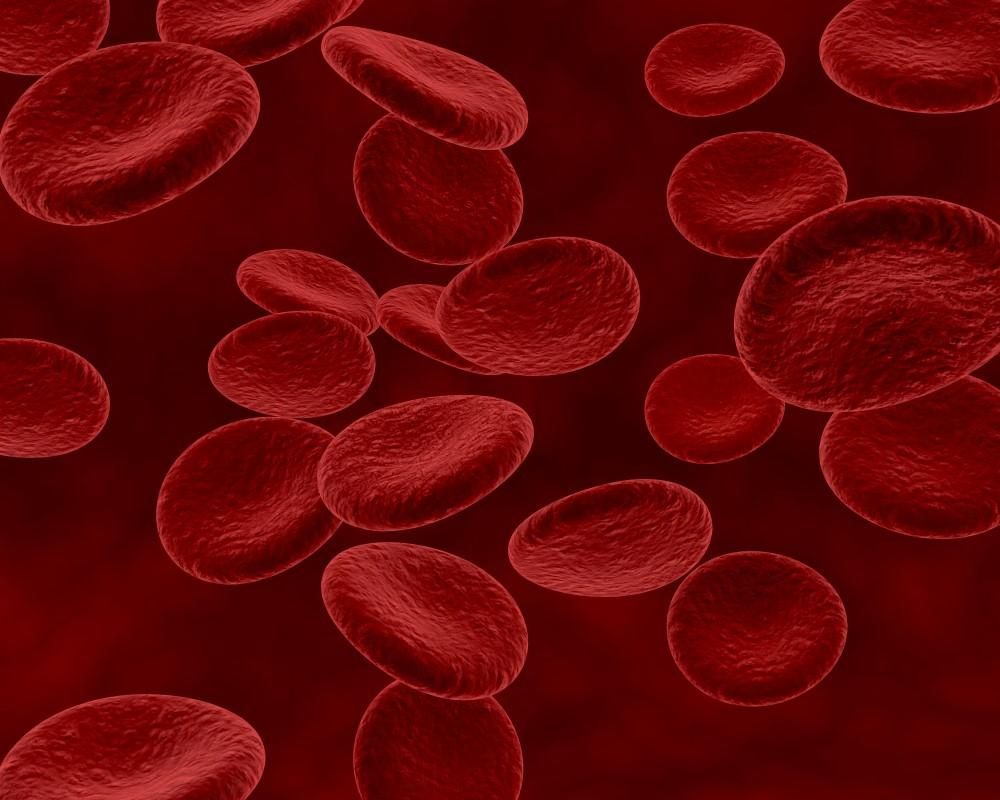
A Peripheral Blood Smear (PBS) test is a microscopic examination of a blood sample that looks at the size, shape, and number of red blood cells, white blood cells, and platelets. Unlike automated blood count machines, this test involves a trained laboratory professional reviewing cells directly under a microscope. It is also called a Peripheral Blood Film (PBF) or Peripheral Smear (PS). Doctors order it when routine blood test results appear abnormal or when a patient shows symptoms that point to a blood-related condition.
What Does a Peripheral Blood Smear (PBS) Test Measure?
A PBS test examines three main types of blood cells and can also detect parasites in the bloodstream. The following components are assessed during the test:
| Component | What Is Assessed |
|---|---|
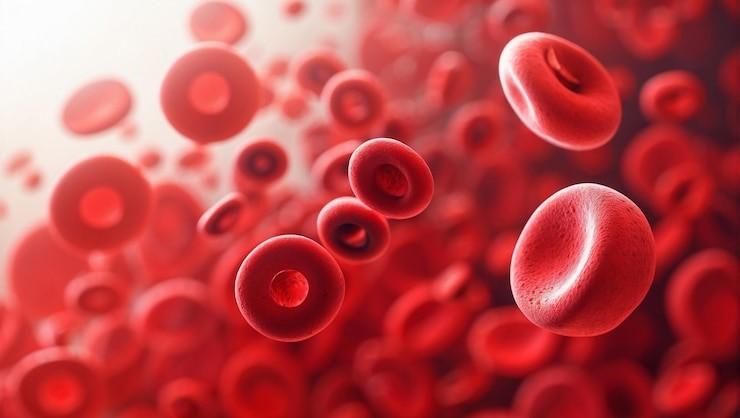
| Red Blood Cells (RBCs) | Size, shape, colour, arrangement, and any inclusions or abnormalities |
| White Blood Cells (WBCs) | Type, count, and appearance of the five WBC subtypes that help fight infection |
| Platelets | Number and appearance of the small cells that help blood clot |
| Blood Parasites | Presence of organisms such as malarial parasites or microfilariae |
Why Is a Peripheral Blood Smear (PBS) Test Done?
A doctor may request a blood smear analysis for several reasons, ranging from investigating unexplained symptoms to confirming findings from an earlier blood test.
Common Symptoms That May Require This Test
The following symptoms are among the most common reasons a doctor may request this test:
- Unexplained fatigue or persistent weakness
- Pale skin (pallor) or paleness of the inner eyelids
- Shortness of breath without an obvious cause
- Frequent infections that do not resolve quickly
- Easy bruising or unusual bleeding
- Persistent or unexplained fever
- Suspected exposure to malaria or other blood-borne infections
Conditions This Test Can Help Detect
Blood smear analysis can help identify a range of conditions affecting blood cells. Some of the conditions this test can help detect include:
- Anaemia (insufficient healthy red blood cells)
- Leukaemia and other blood cancers, including the detection of immature or abnormal white blood cells
- Myelodysplastic syndromes (conditions where blood stem cells fail to produce healthy mature blood cells)
- Thalassaemia and other inherited haemoglobin disorders
- Malaria and other blood-borne parasitic infections
- Platelet disorders such as thrombocytopenia (low platelet count) or thrombocytosis (high platelet count)
Peripheral Blood Smear (PBS) Test for Chronic Disease Monitoring
For people managing ongoing health conditions such as blood cancers or autoimmune diseases, a peripheral smear provides useful information about disease progression. It helps doctors assess whether a treatment is working by tracking changes in cell appearance and counts over time. Patients undergoing chemotherapy may have this test repeated at regular intervals to monitor their response.
How to Prepare and What to Expect
The preparation for a PBS test is minimal, but a few simple steps will help ensure a smooth experience and accurate results.
Do You Need to Fast?
No fasting is required for a peripheral blood smear test. You can eat and drink normally before your appointment. However, if your doctor has ordered other blood tests alongside the PBS test, some of those may require fasting. Check with your doctor or the laboratory when booking.
Practical Tips Before Your Test
Here are a few practical steps to take before your appointment:
- Drink enough water before your visit, as staying hydrated makes the veins easier to locate
- Inform the laboratory staff or your doctor about all medicines you are currently taking, including blood thinners and antibiotics, as these can affect results
- Wear a top with sleeves that roll up easily so the blood draw is straightforward
Step-by-Step Procedure
The sample collection process is quick and simple. Here is what to expect:
- A healthcare professional cleans the skin on your inner arm with an antiseptic solution.
- An elastic band is tied around your upper arm to make the veins more visible.
- A small needle is used to draw a blood sample from a vein, usually in the crook of your elbow.
- The needle is removed, and a small dressing or cotton swab is placed on the site.
- A thin layer of your blood is spread on a glass slide and treated with a special stain to make cells easier to identify.
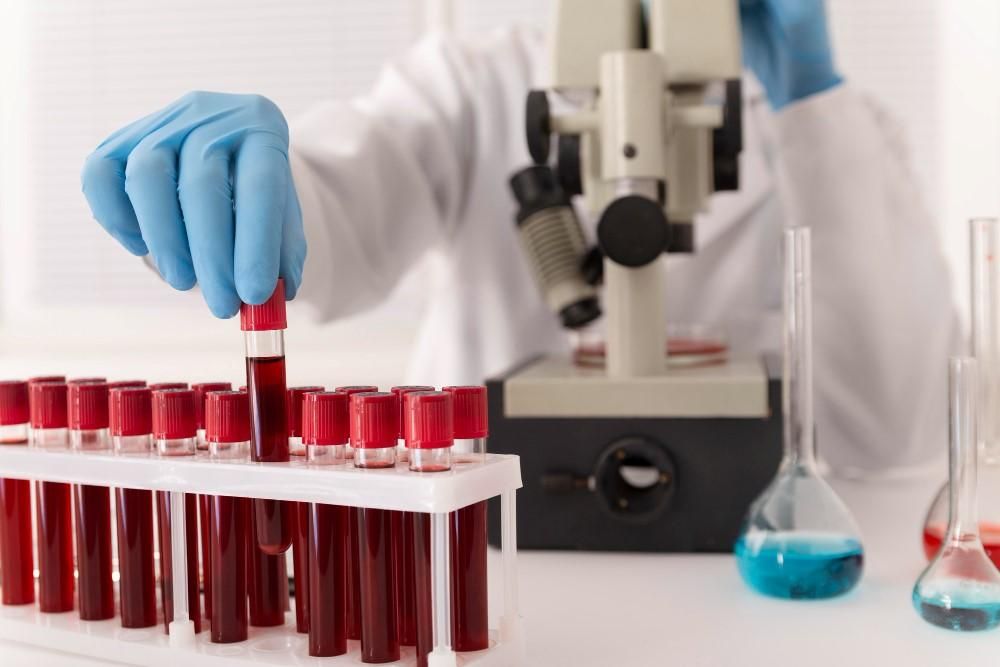
- The prepared slide is dispatched to the laboratory, where a trained professional examines it under a microscope.
Factors That Can Affect Accuracy
Certain situations may influence the quality of the results. These include:
- Severe dehydration, which can make blood cells appear more concentrated than they are
- Medications such as blood thinners, antibiotics, or chemotherapy drugs, which may alter cell appearance
- Recent blood transfusions, which can produce a mixed cell population and complicate interpretation
- Delayed or improper sample processing, which may affect how cells look under the microscope
- Recent illness or infection, which can temporarily change white blood cell patterns
Understanding Your Peripheral Blood Smear (PBS) Test Results
Your results should always be reviewed alongside your symptoms and medical history. A laboratory professional examines the slide and reports on cell appearance and counts. Below are general reference ranges used to assess findings.
| Parameter | Normal Range | Unit |
|---|---|---|
| RBC Count (Males) | 4.5 to 5.5 million | cells/µL |
| RBC Count (Females) | 4.0 to 5.0 million | cells/µL |
| WBC Count | 4,000 to 11,000 | cells/µL |
| Platelet Count | 150,000 to 450,000 | platelets/µL |
| RBC Diameter | Approximately 7.5 | µm |
| Central Pallor | 30 to 45% of cell diameter | % |
Note: Morphological assessment is largely qualitative. The report describes whether cells appear normal or notes specific abnormalities in shape, size, or colour.
"These ranges are general guidelines. Your doctor will interpret your results based on your age, health history, and other factors. Always consult a qualified healthcare professional for personalised medical advice."
Results During Special Conditions
Some situations can affect how results appear, and your doctor will take these into account:
- Severe dehydration may cause blood cells to look more concentrated than they actually are, which can affect count readings.
- Medicines such as blood thinners, antibiotics, and chemotherapy drugs may change how cells look under the microscope.
- A recent blood transfusion can introduce mixed cell populations, making interpretation more complex.
- Underlying conditions, such as kidney or liver disease, can influence the characteristics of blood cells.
- A recent illness or infection may temporarily raise white blood cell counts or alter their appearance.
How to Maintain Healthy Levels
The following general habits support healthy blood cell production:
- Eat a diet that includes iron-rich foods (such as leafy greens and legumes), vitamin B12 (found in dairy, eggs, and meat), and folate to support red blood cell health.
- Drink adequate water daily and stay physically active.
- Avoid smoking and keep alcohol intake within moderate limits.
Lupin Diagnostics Peripheral Blood Smear (PBS) Test Price and Home Collection
The Peripheral Blood Smear (PBS) test is available at Lupin Diagnostics with home sample collection across cities. Prices vary by location. The table below shows approximate prices based on available data.
| City | Approximate Price (₹) |
|---|---|
| Bangalore | ₹200 |
| Mumbai | ₹300 |
| Chennai | ₹300 |
| Hyderabad | ₹400 |
| Kolkata | ₹200 |
| Pune | ₹300 |
| Ahmednagar | ₹300 |
Prices are indicative and may vary by location. Please confirm the current price at the time of booking.
How to Book
- Select the test on the Lupin Diagnostics website.
- Choose your city and preferred time slot.
- Opt for home sample collection by a certified phlebotomist, or visit your nearest Lupin Diagnostics centre.
- Receive your report via email or WhatsApp within the stipulated turnaround time.
Home Collection
Lupin Diagnostics offers home blood collection for the PBS test across multiple cities in India. All samples are processed in NABL-accredited laboratories by trained laboratory professionals. Your digital report is delivered directly to your email or WhatsApp, so you can share it with your doctor without visiting the centre.
Frequently Asked Questions
A Peripheral Blood Smear (PBS) test is a laboratory examination where a thin layer of blood is spread on a glass slide, stained, and studied under a microscope. It allows a trained professional to assess the appearance and counts of red blood cells, white blood cells, and platelets in detail that automated machines may not capture.
Your doctor may order a PBS test if your routine complete blood count (CBC) shows abnormal results, or if you have symptoms such as persistent fatigue, unusual bruising, or recurrent infections. It provides a closer look at blood cell characteristics that can help identify the underlying cause.
No, fasting is not needed for this test. You can eat and drink as usual beforehand. If your doctor has requested additional blood tests at the same time, some of those may have fasting requirements, so it is worth confirming when you book.
The test involves a standard blood draw, which most people find only mildly uncomfortable. You may notice slight soreness or a small bruise at the needle site, but this usually resolves within a day or two.
Results for a peripheral smear are generally available within 24 hours of sample collection, though turnaround times can vary depending on the laboratory. Lupin Diagnostics delivers reports digitally once processing is complete.
A blood smear analysis alone is not sufficient to confirm a diagnosis. However, it can detect abnormal or immature white blood cells (called blasts) that may indicate conditions such as leukaemia. Your doctor will use these findings alongside your full medical history and other test results before reaching any conclusion.
A peripheral blood film can reveal a wide range of findings, including unusual cell shapes such as sickle cells, spherocytes, or target cells; size variations such as smaller-than-normal (microcytes) or larger-than-normal (macrocytes) red blood cells; pale or washed-out cell colour (hypochromia); and the presence of blood parasites such as malarial parasites. Abnormal white blood cell types may also be noted.
Peripheral Blood Smear (PBS) Test: Booking, Price, and Results