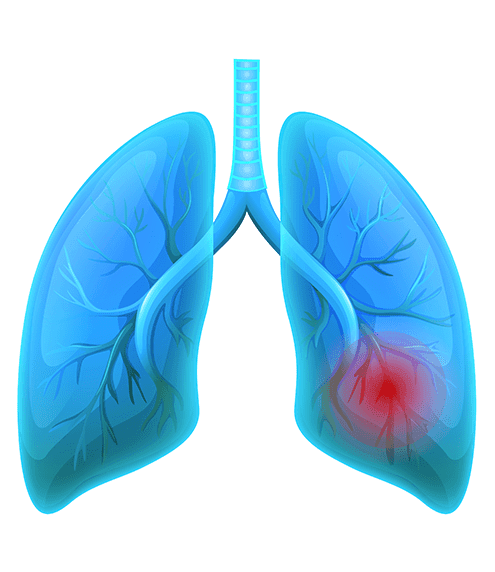
Mycoplasma Pneumoniae IgM Antibody Test: Booking, Price, and Results
About Mycoplasma Pneumoniae IgM Antibody Test
| Field | Value |
|---|---|
| Also Known As | Mycoplasma IgM, Mycoplasma pneumoniae Antibodies (IgM), Mycoplasma Serology (IgM), MP-IgM, MYCO, MYCO-M, M. pneumoniae Ab IgM |
| Sample Type | Venous blood (serum) |
| Fasting Required | No fasting required |
| Report Time | 2 to 4 working days |
| Recommended For | All ages; particularly children aged 5 to 9 years and young adults |
| Price | Starting at ₹2,600 |
What Is a Mycoplasma Pneumoniae IgM Antibody Test?
The Mycoplasma pneumoniae IgM Antibody Test detects IgM antibodies produced by the immune system in response to a Mycoplasma pneumoniae bacterial infection. IgM antibodies are typically the first antibodies to appear after infection, making this test useful for identifying a recent or active infection. It is commonly ordered when a patient presents with respiratory symptoms such as a persistent cough or fever. The test is also referred to as Mycoplasma IgM, MP-IgM, or Mycoplasma Serology (IgM), and uses a venous blood (serum) sample.
What Does a Mycoplasma Pneumoniae, IgM Antibody Test Measure?
This test measures a single key marker in your blood. Here is what it looks for:
| Parameter | What It Tells Us |
|---|---|
| IgM Antibody Level | Indicates whether the immune system has recently produced antibodies against M. pneumoniae, suggesting a new or ongoing infection |
IgM antibodies are the largest immune proteins in the body and act as the first line of defence when the body encounters a pathogen for the first time. Detecting these points in early-stage or acute infection rather than a past exposure.
Why Is a Mycoplasma Pneumoniae IgM Antibody Test Done?
Doctors order this test to investigate a respiratory illness that does not respond to standard treatment or to confirm a suspected Mycoplasma pneumoniae infection.
Common Symptoms That May Require This Test
The following symptoms are among the most common reasons a doctor may recommend a Mycoplasma IgM test:
- Persistent dry cough that may last several weeks
- Fever and a general feeling of being unwell
- Headache and muscle aches
- Runny nose and nasal congestion
- Ear discomfort
- Chest discomfort or mild breathlessness
- Sore throat
Conditions This Test Can Help Detect
This test can help identify or support the diagnosis of the following conditions:
- Atypical pneumonia, often called "walking pneumonia," which accounts for roughly 10 to 20% of all community-acquired pneumonia cases
- Upper respiratory tract infections and airway inflammation
- Stevens-Johnson syndrome, a serious skin condition sometimes associated with M. pneumoniae infection
- Extrapulmonary complications such as encephalitis, Guillain-Barré syndrome, myocarditis, haemolytic anaemia (breakdown of red blood cells), and skin rashes
How to Prepare and What to Expect
Preparation for this test is straightforward. There are no major restrictions beforehand.
Do You Need to Fast?
No fasting is required before a Mycoplasma pneumoniae Antibodies (IgM) test. You can eat and drink as normal before giving your sample.
Practical Tips Before Your Test
A few simple steps can help ensure a smooth sample collection:
- Drink adequate water before the test to keep the veins easy to access
- Inform your doctor about any medications, supplements, or recent illnesses
- Wear clothing with sleeves that roll up easily
- Let the phlebotomist know if you feel anxious about needles
Step-by-Step Procedure
Here is what typically happens during sample collection:
- A trained phlebotomist cleans the inside of your arm with an antiseptic wipe.
- A needle is gently inserted into a vein, usually in the crook of your arm, and a small amount of blood is drawn.
- The blood sample is processed to separate the serum (the liquid part) from blood cells, ideally within two hours of collection.
- The serum is transferred into a labelled transport tube and refrigerated to preserve it.
- The sample is dispatched to the laboratory, where it is analysed using an ELISA (enzyme-linked immunosorbent assay) to detect IgM antibodies against Mycobacteria.
- Your report is prepared and sent to you within 2 to 4 working days.
Factors That Can Affect Accuracy
Certain factors can influence the reliability of your result:
- Testing too early in the illness, as IgM antibodies take approximately one week to develop after infection begins
- A weakened immune system (immunosuppression), which may reduce the IgM response
- A prior M. pneumoniae infection, as low levels of IgM can persist for more than 12 months and may produce a false positive
- Cross-reactivity with other infections, such as influenza or adenovirus, which can occasionally produce false-positive results
Understanding Your Mycoplasma Pneumoniae, IgM Antibody Test Results
Results from a Mycoplasma IgM test should always be reviewed alongside your symptoms and medical history. The table below shows the general reference ranges used in most laboratories.
| Result | Range | Interpretation |
|---|---|---|
| Negative | 0.76 U/L or below | No clinically significant IgM antibody detected; no recent infection indicated |
| Low Positive / Equivocal | 0.77 to 0.95 U/L | IgM antibody presumptively detected; a repeat test one to two weeks later is advised to confirm |
| Positive | 0.96 U/L or above | Significant IgM antibody detected; consistent with a recent or active infection |
These ranges are general guidelines. Your doctor will interpret your results based on your age, health history, and other factors. Always consult a qualified healthcare professional for personalised medical advice.
Results During Special Conditions
Certain situations can affect how results are interpreted:
- People with a weakened immune system may produce a reduced IgM response, leading to a false-negative result.
- Patients tested very early in their illness, or those with severe pneumonia, may also show a negative result even when infection is present.
- A prior M. pneumoniae infection can cause prolonged IgM positivity, which may be mistaken for a new infection.
- Infections caused by the influenza virus or adenovirus can occasionally trigger a false positive result due to cross-reactivity.
How to Maintain Healthy Levels
General habits that support respiratory health and reduce infection risk include:
- Wash your hands frequently, especially after coughing, sneezing, or being in crowded places
- Cover your mouth and nose when coughing or sneezing, and encourage others around you to do the same
- Support general immunity through adequate sleep, a balanced diet, and regular physical activity
Lupin Diagnostics Mycoplasma Pneumoniae IgM Antibody Test Price and Home Collection
The Mycoplasma pneumoniae IgM Antibody Test is available at Lupin Diagnostics, with prices starting at approximately ₹2,600. Home collection is available across cities for added convenience. The table below shows indicative prices across major cities in India:
| City | Approximate Price (₹) |
|---|---|
| Mumbai | ₹2,600 |
| Bengaluru | ₹2,600 |
| Chennai | ₹2,600 |
| Hyderabad | ₹2,600 |
| Kolkata | ₹2,600 |
| Pune | ₹2,600 |
Prices are indicative and may vary by location. Please confirm the current price at the time of booking.
How to Book
- Select the test on the Lupin Diagnostics website.
- Choose your city and preferred time slot.
- Opt for home sample collection by a certified phlebotomist, or visit your nearest Lupin Diagnostics centre.
- Receive your report via email or WhatsApp within the stipulated turnaround time.
Home Collection
Lupin Diagnostics offers home sample collection for the Mycobacteria pneumoniae-IgM test across major cities, so you can give your sample from the comfort of your home. All samples are processed in NABL-accredited laboratories by qualified technologists. Digital reports are accessible via email or WhatsApp once ready.
Frequently Asked Questions
Mycoplasma pneumoniae is a small bacterium that spreads through respiratory droplets when an infected person coughs or sneezes. It causes upper respiratory infections, sore throat, and airway inflammation and is linked to roughly 20% of community-acquired pneumonia cases. Children and young adults are most commonly affected.
IgM antibodies appear within about a week of infection and indicate a recent or active illness. IgG antibodies, by contrast, develop later and persist long after recovery, pointing to a past infection. When a doctor suspects a new Mycoplasma pneumoniae infection, the Mycoplasma IgM test is the more relevant choice.
IgM antibody levels rise quickly after infection and then gradually fall. They typically remain detectable in the blood for several months, though low levels can occasionally persist beyond 12 months in some individuals.
Not necessarily. A negative result means no significant IgM antibody was detected at the time of testing, but this does not completely rule out infection. If symptoms persist, your doctor may recommend retesting or additional investigations, particularly if the blood was drawn very early in the illness.
Walking pneumonia is an informal term for the milder form of pneumonia caused by M. pneumoniae. Because symptoms tend to be less severe than typical pneumonia, many people continue their daily activities without realising they are unwell. The Mycobacteria pneumoniae test can help confirm this type of infection.
If your result falls in the low-positive or equivocal range (0.77 to 0.95 U/L), your doctor will likely ask you to repeat the test on a fresh sample in 1 to 2 weeks to confirm the finding. A repeat test may also be suggested if your initial result is negative but symptoms continue.
The test involves a routine blood draw and carries minimal risk. You may experience slight discomfort, brief pain, or minor bruising at the needle site. In rare cases, there may be slight swelling or a small chance of infection at the collection site, which usually resolves on its own.
Mycoplasma Pneumoniae IgM Antibody Test: Booking, Price, and Results