Karyotyping Test
About Karyotyping Test
| Field | Value |
|---|---|
| Also Known As | Karyotype test, Chromosome analysis test, Cytogenetic analysis test, Chromosome karyotype test, Chromosome studies, G-banding karyotype |
| Sample Type | Venous blood (most common); also amniotic fluid, chorionic villus tissue, bone marrow |
| Fasting Required | No fasting required |
| Report Time | 2 to 3 weeks (may vary depending on cell culture growth) |
| Recommended For | All genders and ages; commonly used for prenatal screening, infertility evaluation, and suspected genetic disorders |
| Price | Starting at ₹3,000 |
What Is a Karyotyping Test?
A karyotyping test is a type of genetic test that examines the chromosomes in your cells. It checks whether you have the correct number of chromosomes and whether their structure is normal.
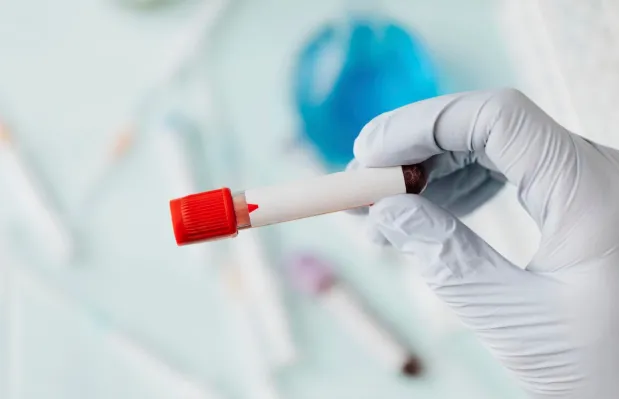
Also called a karyotype test, chromosome analysis test, or cytogenetic analysis test, it is prescribed by doctors to investigate genetic conditions, unexplained infertility, recurrent miscarriages, and developmental concerns. The test most commonly uses a blood sample drawn from a vein in your arm.
What Does a Karyotyping Test Measure?
A chromosome analysis test looks at chromosomes at several levels. The table below outlines what the test examines and why each aspect matters.
| What Is Examined | Why It Matters |
|---|---|
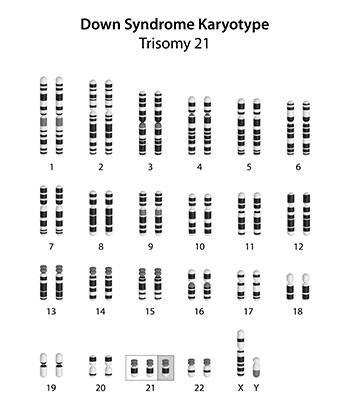
| Chromosome number | A normal human cell has 46 chromosomes (23 pairs); an extra or missing chromosome can cause genetic conditions |
| Sex chromosomes | Checks for the expected XX (female) or XY (male) sex chromosome pattern |
| Chromosome structure | Looks for deletions (missing segments), duplications (extra copies), translocations (segments moved between chromosomes), and inversions (reversed segments) |
| Overall chromosomal pattern | Identifies both numerical and structural changes across all chromosomes in a single test |
Why Is a Karyotyping Test Done?
A doctor may request a karyotype test for several reasons. The sections below explain the most common indications.
Common Symptoms That May Require This Test
The following signs or situations often lead a doctor to recommend a cytogenetic analysis test:
- Difficulty conceiving or a diagnosis of infertility
- Two or more unexplained miscarriages or a stillbirth
- Delayed puberty or absent menstruation (amenorrhoea)
- Ambiguous or atypical genital development
- Developmental delay or intellectual disability in a child
- Unusual physical features (dysmorphic features) in a newborn or child
- A family history of chromosomal conditions
Conditions This Test Can Help Detect
A chromosome karyotype analysis can help identify several conditions, including:
- Down syndrome (trisomy 21), Edwards syndrome (trisomy 18), and Patau syndrome (trisomy 13)
- Turner syndrome (monosomy X) and Klinefelter syndrome (extra X chromosome in males)
- Whole-genome abnormalities such as triploidy or tetraploidy
- Chromosomal causes of recurrent miscarriage or infertility
- Certain blood cancers and disorders, including leukaemia, lymphoma, and multiple myeloma
Karyotyping Test During Pregnancy
Pregnancy is one of the most common reasons a karyotyping test is requested. It can show whether a foetus has chromosomal abnormalities that may cause birth defects or developmental conditions.
Prenatal testing can be carried out as early as 10 to 13 weeks using chorionic villus sampling, or between 15 and 18 weeks using amniotic fluid. Doctors particularly recommend it when the pregnant parent is aged 35 or older, or when there is a family history of chromosomal conditions.
Karyotyping Test for Chronic Disease Monitoring
The karyotype test is also used to track treatment progress in certain cancers. For chronic myeloid leukaemia, for example, guidelines suggest karyotyping at three and six months after starting targeted therapy to check whether abnormal cells are being eliminated.
More broadly, the test confirms whether treatment is successfully clearing cells with chromosomal changes in conditions such as leukaemia, lymphoma, and myelodysplastic syndrome.
How to Prepare and What to Expect
No special preparation is needed for a standard blood-based karyotyping test. The steps below explain how you can help the process go smoothly.
Do You Need to Fast?
No fasting is required before this test. You can eat and drink normally before your appointment. Simply follow any instructions your doctor provides.
Practical Tips Before Your Test
Keep the following in mind before your chromosome analysis:
- If you have recently had a whole blood transfusion, wait at least 10 days before providing a sample
- Tell the lab if you have had a bone marrow transplant at any point
- Inform your doctor about any current medications or recent chemotherapy
- Consider genetic counselling before the test to help you understand what the results may mean
Step-by-Step Procedure
Here is what typically happens during a blood-based karyotype test collection:
- A trained phlebotomist cleans the skin on your arm and inserts a small needle into a vein to draw a blood sample.
- About 5 mL of blood is collected into a specialised tube containing a substance that keeps the cells alive for analysis.
- The tube is gently inverted several times to prevent the blood from clotting, then labelled and prepared for transport.
- The sample is sent to the laboratory at room temperature.
- In the lab, specialists grow the cells in a controlled environment for approximately 7 to 10 days, waiting until the cells are actively dividing for the clearest view of the chromosomes.
- The chromosomes are then stained using a technique called G-banding and examined under a microscope by a cytogenetics specialist.
Factors That Can Affect Accuracy
Certain factors can influence the quality of the chromosome analysis test result:
- Clotted or degraded (haemolysed) samples may prevent cells from growing properly
- A recent blood transfusion may introduce donor cells into the sample
- Active chemotherapy can cause chromosome changes that appear in the results
- Poor cell culture growth in the lab may occasionally require a repeat sample
- The number of cell divisions (metaphase cells) successfully captured for analysis
Understanding Your Karyotyping Test Results
Your results should always be reviewed with a qualified doctor or genetic counsellor who can place them in the context of your health history and family background. The table below shows the standard normal karyotype patterns.
| Parameter | Normal Result |
|---|---|
| Male karyotype | 46, XY (46 chromosomes with one X and one Y sex chromosome) |
| Female karyotype | 46, XX (46 chromosomes with two X sex chromosomes) |
A normal result means the sample contains 46 chromosomes with no detected structural changes. An abnormal result may show extra or missing chromosomes (aneuploidy), structural changes such as deletions, duplications, or translocations, or specific findings linked to conditions like chronic myeloid leukaemia (the Philadelphia chromosome).
These ranges are general guidelines. Your doctor will interpret your results based on your age, health history, and other factors. Always consult a qualified healthcare professional for personalised medical advice.
Results During Special Conditions
A few situations can affect how results are read or whether a repeat test is needed. If a sample is clotted or degraded, cell growth may fail, and a second sample may be required. A recent blood transfusion may introduce donor chromosomes into the result.
Chemotherapy can cause chromosome breaks that show up in the analysis. Finally, a normal karyotype does not rule out all genetic conditions. Some changes are too small for this test to detect and may need additional molecular testing.
How to Maintain Healthy Levels
The chromosomal makeup in your cells is fixed at conception and is not influenced by diet or lifestyle. These general points may still be useful:
- Seek genetic counselling before and after testing to understand your results fully
- If you are planning a pregnancy, discuss your results with a geneticist to understand any recurrence risks
- Attend follow-up appointments as advised by your doctor, particularly if results are abnormal
Lupin Diagnostics Karyotyping Test Price and Home Collection
The karyotyping test price at Lupin Diagnostics starts at approximately ₹3,000, with home sample collection available across cities. Prices vary by city and by the type of sample required.
| City | Approximate Price (₹) |
|---|---|
| Mumbai | ₹3,000 |
| Bangalore | ₹3,000 |
| Hyderabad | ₹3,000 |
| Chennai | ₹3,000 |
| Kolkata | ₹3,000 |
| Pune | ₹3,000 |
| Bhopal | ₹3,000 |
| Bhubaneshwar | ₹3,200 |
Prices are indicative and may vary by location. Please confirm the current price at the time of booking.
How to Book
Booking your karyotyping test near me through Lupin Diagnostics is straightforward:
- Select the test on the Lupin Diagnostics website
- Choose your city and preferred time slot
- Opt for home sample collection by a certified phlebotomist, or visit your nearest Lupin Diagnostics centre
- Receive your report via email or WhatsApp within the stipulated turnaround time
Home Collection
Lupin Diagnostics offers home sample collection for the karyotype test across multiple cities in India. If you are searching for a karyotype test near me, convenient at-home sample collection is available. All samples are processed in NABL-accredited laboratories by experienced cytogenetics specialists. Your digital report is delivered via email or WhatsApp once ready.
Frequently Asked Questions
A karyotyping test checks the number and structure of chromosomes in your cells. It is done to diagnose genetic conditions, find causes of infertility or recurrent miscarriage, screen a foetus during pregnancy, and monitor certain blood cancers during treatment.
No fasting is required. You can eat and drink as normal before a standard blood-based karyotype test. Follow any specific instructions your doctor provides.
Results typically take 2 to 3 weeks. This is because the cells in the sample must be cultured and allowed to grow in a lab before chromosomes can be examined. The turnaround may vary slightly depending on cell growth and any abnormalities detected.
The test involves a routine blood draw. You may feel a brief sting when the needle is inserted and removed. The discomfort is minimal and passes quickly. There is no pain during the laboratory analysis itself.
No. The chromosome analysis test detects large chromosomal changes, generally those greater than 5 megabases. Smaller or more subtle genetic changes require additional, more sensitive molecular tests. Your doctor will advise you if further testing is needed.
Yes, in certain situations. Doctors may recommend a prenatal karyotyping test if the pregnant parent is aged 35 or older, if there is a family history of chromosomal conditions, or if screening tests have returned a high-risk result. The test can be done using chorionic villus sampling or amniotic fluid.
A single karyotyping test examines one individual's chromosomes. Couple karyotyping is performed on both partners using separate blood samples. Couple testing is commonly recommended when investigating unexplained recurrent miscarriage or infertility, as a chromosomal issue in either partner may be contributing.
Karyotyping Test