HPV HR DNA Detection by Real-Time PCR Test: Booking, Price, and Results
About HPV HR DNA Detection by Real-Time PCR Test: Booking, Price, and Results
| Field | Value |
|---|---|
| Also Known As | HPV DNA PCR test, High-risk HPV DNA test, HPV genotyping test, HPV HR PCR, Cervical HPV test, HPV molecular test |
| Sample Type | Cervical swab or vaginal swab (collected in liquid-based cytology medium) |
| Fasting Required | No fasting required |
| Report Time | 3 to 7 working days |
| Recommended For | Women aged 25 to 65 years, primarily for cervical cancer screening |
| Price | Starting at ₹2,000 |
What is an HPV HR DNA Detection by Real-Time PCR Test?
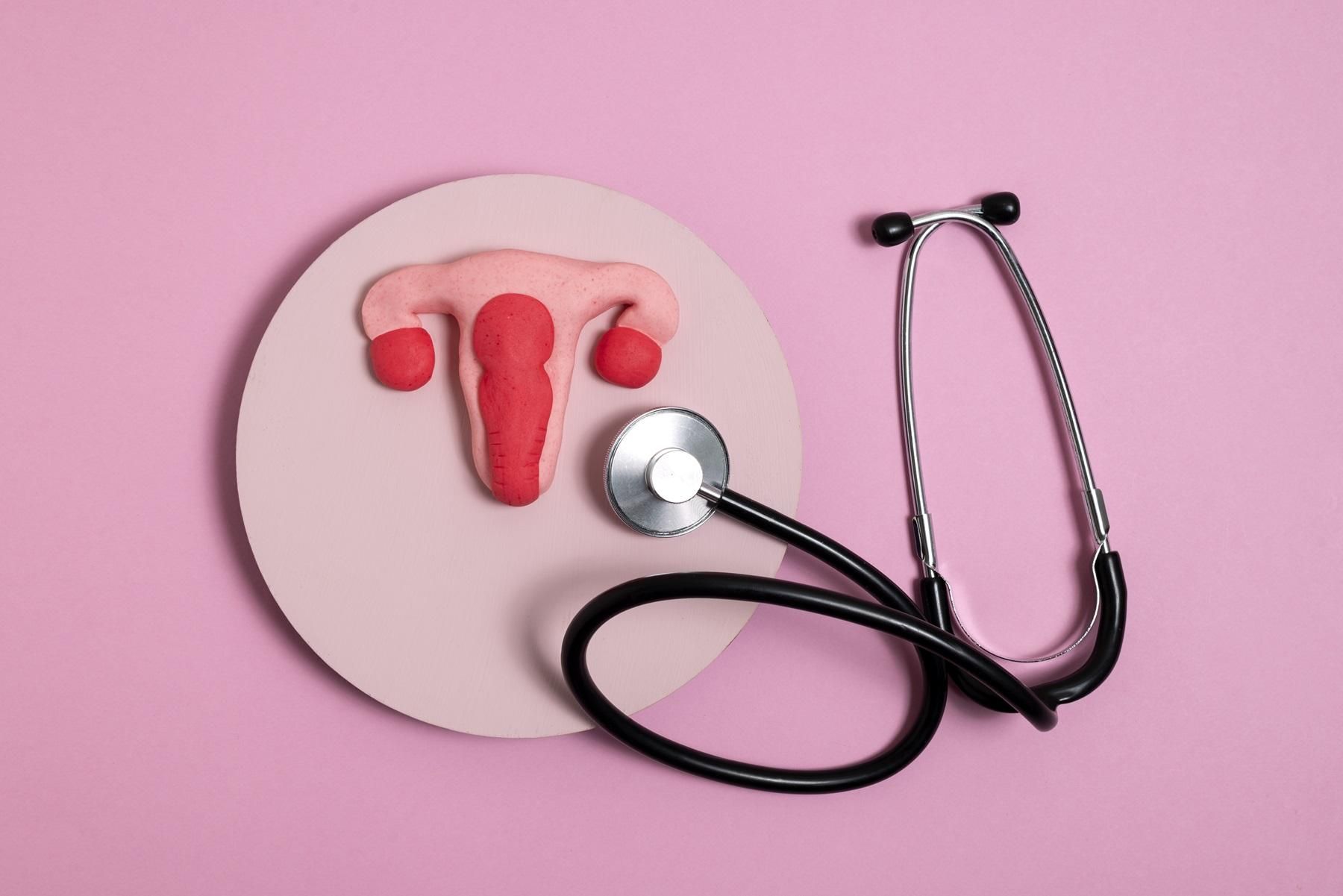
The HPV HR DNA Detection by Real-Time PCR test is a molecular screening test that identifies the genetic material of high-risk human papillomavirus (HPV) in cervical or vaginal cells. It uses real-time PCR (Polymerase Chain Reaction) technology, a method that detects tiny amounts of viral DNA with high accuracy. Doctors commonly prescribe this test as part of cervical cancer screening for women aged 25 to 65. It is also known as the High Risk HPV DNA test, HPV DNA PCR test, or HPV genotyping test.
What Does an HPV HR DNA Detection by Real-Time PCR Test Measure?
The HPV DNA detection test looks for specific viral DNA in the cervical sample. It identifies the following:
| Parameter | What It Detects |
|---|---|
| HPV DNA (high-risk types, pooled) | Presence of DNA from 14 high-risk HPV genotypes: 16, 18, 31, 33, 35, 39, 45, 51, 52, 56, 58, 59, 66, and 68 |
| HPV-16 (individual genotyping) | Specific identification of HPV type 16, the highest-risk type for cervical cancer |
| HPV-18 (individual genotyping) | Specific identification of HPV type 18, the second highest-risk type |
| Other HR-HPV (pooled result) | Pooled signal for the remaining 12 high-risk genotypes |
| Beta-globin (internal control) | Confirms that the sample was collected adequately and that the PCR process worked correctly |
Why Is an HPV HR DNA Detection by Real-Time PCR Test Done?
This test is used to screen for high-risk HPV infection, which is the leading cause of cervical cancer worldwide. Understanding when to get tested helps women take timely action.
Common Symptoms That May Require This Test
HPV infection is often asymptomatic, meaning many women have no symptoms at all. However, a doctor may recommend the Cervical HPV PCR test if you notice any of the following:
- Unusual vaginal bleeding between periods
- Bleeding after sexual intercourse
- Pelvic pain or discomfort
- Pain during sexual intercourse
- Abnormal vaginal discharge
- Changes in your regular menstrual pattern
Conditions This Test Can Help Detect
The High-Risk Human Papillomavirus test helps identify infections and cell changes that may lead to serious conditions. These include:
- Cervical cancer (HPV is linked to over 99% of cases worldwide)
- Cervical intraepithelial neoplasia (CIN), which refers to precancerous changes in the cells lining the cervix
- Anal cancer
- Oropharyngeal (throat) cancer
- Vulvar and vaginal cancer
How to Prepare and What to Expect
Preparing correctly for your sample collection helps ensure an accurate result. Here is what you need to know before your appointment.
Do You Need to Fast?
No fasting is required for this test. You can eat and drink normally before your appointment.
Practical Tips Before Your Test
A few simple steps before your test can help ensure a reliable sample. Please follow these guidelines:
- Schedule your appointment at least five days after your period ends; avoid testing during active menstruation
- Avoid sexual intercourse for at least 48 hours before the test
- Do not use tampons, vaginal douches, vaginal creams or medicines, contraceptive foams, gels, or lubricants for at least two days before the test
- Inform your doctor about any current medications or vaginal treatments you are using
Step-by-Step Procedure
- You will be asked to lie on the examination table in a comfortable position.
- A speculum (a smooth, medical instrument) is gently inserted into the vagina so the healthcare provider can see the cervix clearly. You may feel mild pressure.
- A small spatula and a soft brush are used to collect cells from the cervical surface. This takes only a few seconds.
- The collected cells are placed into a liquid-based cytology medium to preserve them for transport to the laboratory.
- The sample is sealed and sent to an NABL-accredited laboratory for real-time PCR analysis.
- A pathologist examines the sample for the presence of high-risk HPV DNA and reports the findings within the stipulated turnaround time.
Factors That Can Affect Accuracy
Certain conditions may influence the reliability of your test result. These include:
- Collecting the sample during menstruation (blood can interfere with the assay)
- Contamination of the sample with excessive ultrasound gel
- Stage of HPV infection at the time of collection
- A very low viral load in the sample
- Improper collection technique, which may result in an inadequate sample
Understanding Your HPV HR DNA Detection by Real-Time PCR Test Results
Your results will be reported in qualitative terms (Detected or Not Detected). Always share your results with your doctor, who will interpret them in the context of your overall health and medical history.
| Parameter | Normal (Expected) Result |
|---|---|
| HPV DNA (high-risk types) | Not Detected |
| HPV-16 | Not Detected |
| HPV-18 | Not Detected |
| Other HR-HPV (pooled) | Not Detected |
| Beta-globin (internal control) | Detected |
These ranges are general guidelines. Your doctor will interpret your results based on your age, health history, and other factors. Always consult a qualified healthcare professional for personalised medical advice.
Results During Special Conditions
Certain personal health factors can affect how your body responds to an HPV infection and how results should be understood.
Women with a weakened immune system (for example, those with untreated HIV) may be less able to clear an HPV infection naturally. In such individuals, abnormal cell changes can progress to cancer more quickly than in women with a healthy immune system.
Smoking or exposure to secondhand smoke can increase the risk that an HPV infection will persist and progress to cervical cancer. If you smoke, let your doctor know when reviewing your results.
How to Maintain Healthy Levels
General wellness habits can support your body's ability to manage HPV infection. Consider these practical steps:
- Get vaccinated against HPV if you are eligible; vaccination is the most effective way to prevent infection with high-risk HPV types
- Quit smoking or avoid secondhand smoke, as this reduces the risk of a persistent HPV infection
- Use condoms during sexual intercourse to help lower the risk of HPV transmission
Lupin Diagnostics HPV HR DNA Detection by Real-Time PCR Test Price
The HPV HR DNA test price starts at approximately ₹2,000. No home collection option is available for this test, and it requires a hospital visit. The table below shows approximate prices based on aggregator data.
| City | Approximate Price (₹) |
|---|---|
| Mumbai | ₹2,500 |
| Bangalore | ₹2,500 |
| Hyderabad | ₹2,500 |
| Chennai | ₹2,500 |
| Kolkata | ₹2,500 |
Prices are indicative and may vary by location. Please confirm the current price at the time of booking.
How to Book
- Select the test on the Lupin Diagnostics website.
- Choose your city and preferred time slot.
- Opt for home sample collection by a certified phlebotomist, or visit your nearest Lupin Diagnostics centre.
- Receive your report via email or WhatsApp within the stipulated turnaround time.
Frequently Asked Questions
The HPV HR DNA Detection by Real-Time PCR test is a molecular screening test that detects the DNA of high-risk human papillomavirus (HPV) strains in cervical or vaginal cells. Using PCR technology, it can identify very small amounts of viral genetic material, making it a highly sensitive method for cervical cancer screening.
This test is generally recommended for women between 25 and 65 years of age as part of routine cervical cancer screening. It may also be advised for women who have received an abnormal Pap smear result or require follow-up after a previous HPV-positive test.
No. A positive high-risk HPV DNA result means that a high-risk HPV type has been detected in your sample, but it does not mean you have cervical cancer. Most HPV infections do not progress to cancer. Your doctor may recommend additional monitoring, repeat testing, or further evaluation such as colposcopy.
A healthcare professional collects cells from the cervix using a small brush or spatula during a routine pelvic examination. The sample is placed into a liquid preservative medium and sent to the laboratory for HPV DNA analysis. In some settings, self-collection options may also be available.
The HPV DNA PCR test has a clinical sensitivity of approximately 98.3% and a clinical specificity of about 93.6% for detecting moderate-to-severe precancerous cervical changes (CIN2 or worse). Test accuracy may vary depending on factors such as sample quality and the stage of infection.
Currently, there is no approved routine HPV screening test for men in India. The HPV DNA detection test is designed primarily for cervical and vaginal samples. Men are generally evaluated for HPV only when symptoms such as genital warts or other HPV-related conditions are present.
Women aged 30 years and older are generally advised to undergo HPV screening every 5 to 10 years, depending on individual risk factors and local screening guidelines. If high-risk HPV is detected without abnormal cell changes, your doctor may recommend repeating the test after 1 year for closer monitoring.
HPV HR DNA Detection by Real-Time PCR Test: Booking, Price, and Results