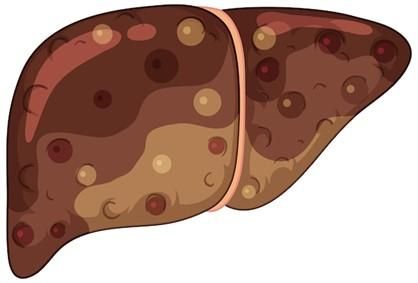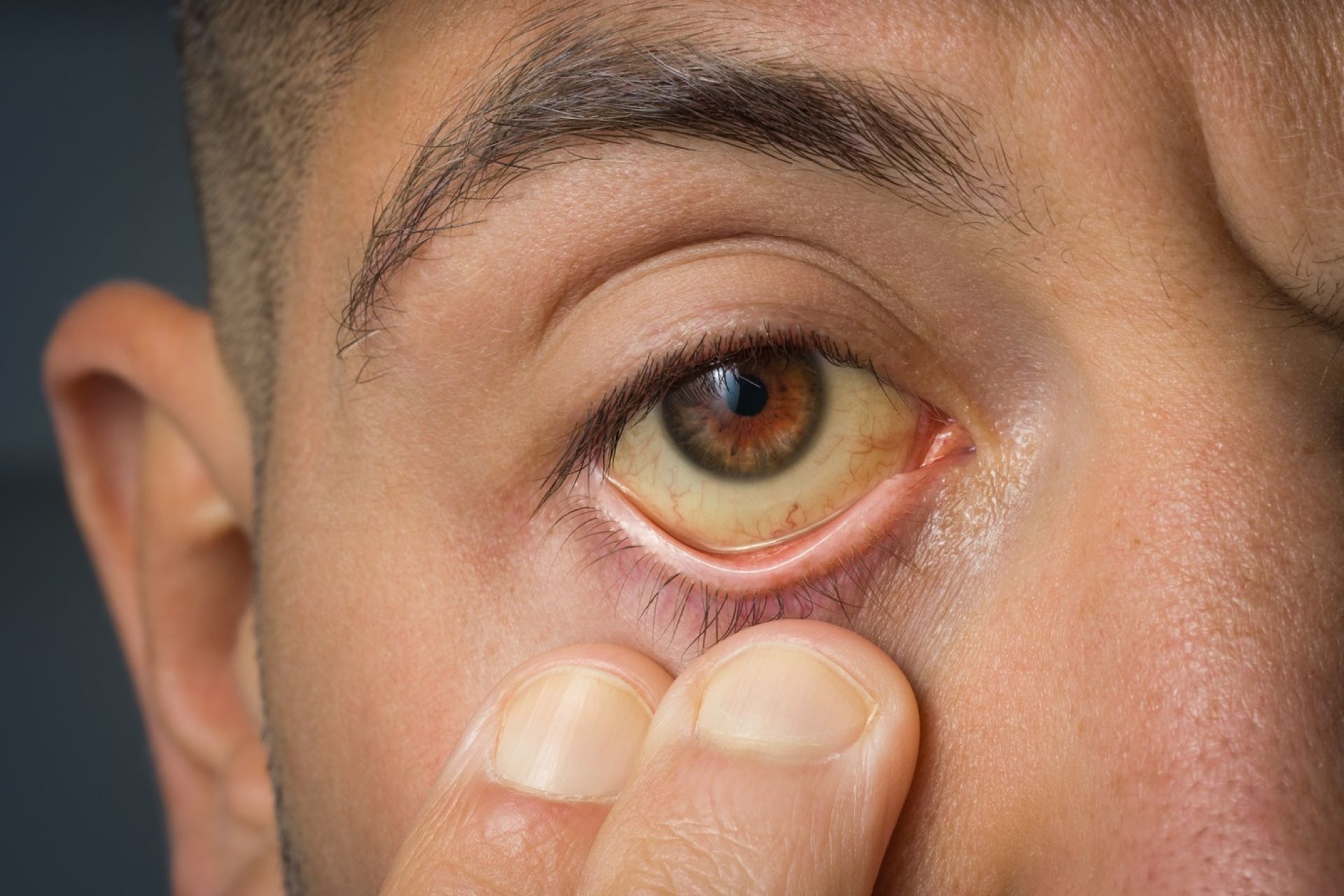
Hepatitis A Virus-IgG (HAV IgG) – Serum Test
About Hepatitis A Virus-IgG (HAV IgG) – Serum Test
| Field | Value |
|---|---|
| Also Known As | Anti-HAV IgG, Hepatitis A IgG Antibody, HAV-IgG, Anti-Hepatitis A Virus IgG |
| Sample Type | Venous blood (serum) |
| Fasting Required | No fasting required |
| Report Time | 2 to 3 working days |
| Recommended For | All ages and genders; particularly travellers to endemic areas, healthcare workers, food handlers, immunocompromised individuals, and those needing pre-vaccination immunity screening |
| Price | Starting at ₹770 |
What is a Hepatitis A Virus-IgG (HAV IgG) – Serum Test?
The Hepatitis A virus-IgG Serum test detects IgG antibodies produced by the immune system in response to the hepatitis A virus (HAV). These antibodies appear following a past infection or after vaccination and indicate long-term protection against the virus. A blood sample drawn from a vein in the arm is used for this test. It is also known as Anti-HAV IgG or the HAV IgG Serum test.
What Does a Hepatitis A Virus-IgG (HAV IgG) – Serum Test Measure?
This test measures one specific marker in the blood. The table below describes what it is and why it matters:
| Parameter | What It Indicates |
|---|---|
| HAV IgG Antibodies | Proteins produced by the immune system after hepatitis A infection or vaccination; their presence confirms long-term immunity to hepatitis A |
IgG antibodies typically become detectable around the time symptoms first appear during an acute infection and remain in the body throughout a person's lifetime. This makes the HAV IgG Serum test particularly useful for checking whether immunity exists before a vaccination is given.
Why is a Hepatitis A Virus-IgG (HAV IgG) – Serum Test Done?
A doctor may order this test for several reasons, from checking immunity to investigating symptoms that suggest a hepatitis A infection.
Common Symptoms That May Require This Test
The following symptoms may prompt a doctor to request this test:
- Yellowing of the skin and eyes (jaundice)
- Dark yellow urine
- Persistent fatigue
- Nausea, vomiting, or loss of appetite
- Abdominal pain or discomfort
- Fever
- Grey or clay-coloured stools
- Joint pain
Conditions This Test Can Help Detect
This test helps identify or confirm the following:
- Immunity resulting from a previous hepatitis A infection
- Immunity following hepatitis A vaccination
- Susceptibility to hepatitis A in individuals with no prior exposure or vaccination
- Immunity status before travel to areas where hepatitis A is common
How to Prepare and What to Expect
Preparing for this test is straightforward, and the procedure itself is quick and simple.
Do You Need to Fast?
No, fasting is not required before a Hepatitis A virus-IgG Serum test. You may eat and drink normally before your appointment. If additional tests have been ordered alongside this one, check with your doctor, as those may have separate fasting requirements.
Practical Tips Before Your Test
Keep the following points in mind before you go for the test:
- If you take high-dose biotin (vitamin B7) supplements at 20 mg or more per day, stop taking them at least 72 hours before sample collection, as they can interfere with the test result.
- Tell your doctor or the technician about all medications and supplements you are currently taking.
- If you have recently received immune globulin or a blood transfusion, inform your doctor, as this may temporarily affect results.
- No special diet or clothing restrictions apply.
Step-by-Step Procedure
The sample collection process is brief and usually completed within minutes. Here is what to expect:
- A trained phlebotomist will ask you to sit comfortably and will identify a suitable vein, usually in the inner arm.
- The area is cleaned with an antiseptic to reduce the risk of infection.
- A small needle is inserted into the vein, and a blood sample is collected into a vial.
- The entire blood draw typically takes less than five minutes.
- A cotton ball or small bandage is placed on the site to stop any minor bleeding.
- The sample is labelled, processed, and sent to the laboratory for analysis using immunoassay techniques.
Factors That Can Affect Accuracy
Several factors may influence the reliability of your test result:
- High-dose biotin supplementation taken close to the test date
- Recent administration of immune globulin
- Recent blood transfusion
- A severely weakened immune system, which may reduce antibody levels
- Testing too soon after infection or vaccination, before antibodies have fully developed
Understanding Your Hepatitis A Virus-IgG (HAV IgG) – Serum Test Results
Results for this test are reported as either reactive (positive) or non-reactive (negative). The table below summarises how to read them:
| Result | Meaning |
|---|---|
| Reactive (Positive) | HAV IgG antibodies are present; the person is immune to hepatitis A due to past infection or vaccination |
| Non-reactive (Negative) | No HAV IgG antibodies detected; the person has no immunity and is susceptible to hepatitis A |
These ranges are general guidelines. Your doctor will interpret your results based on your age, health history, and other factors. Always consult a qualified healthcare professional for personalised medical advice.
Results During Special Conditions
Certain situations may affect how results should be read. A negative result does not fully rule out very early infection, as antibodies may not yet have developed. In people with severely suppressed immune systems, antibody levels may be lower than expected, which could affect detection. Cross-reactivity with other viruses, such as the Epstein-Barr virus or hepatitis C virus, may in rare cases influence the result.
How to Maintain Healthy Levels
These general wellness practices support good hepatitis A prevention:
- If your result is negative and you are at risk, speak to a doctor about whether vaccination is appropriate for you.
- Practise thorough hand hygiene, especially before eating and after using the toilet.
- When travelling to regions where hepatitis A is common, take care with food and water safety, choosing cooked food and sealed drinking water.
Lupin Diagnostics Hepatitis A Virus-IgG (HAV IgG) – Serum Test Price and Home Collection
The Hepatitis A virus-IgG Serum test price starts at ₹770, and home collection is available at your convenience. The city-wise pricing is shown below:
| City | Approximate Price (₹) |
|---|---|
| Mumbai | ₹1,100 |
| Bangalore | ₹1,100 |
| Hyderabad | ₹1,100 |
| Chennai | ₹1,100 |
| Kolkata | ₹770 |
| Pune | ₹1,100 |
Prices are indicative and may vary by location. Please confirm the current price at the time of booking.
How to Book
- Select the test on the Lupin Diagnostics website.
- Choose your city and preferred time slot.
- Opt for home sample collection by a certified phlebotomist, or visit your nearest Lupin Diagnostics centre.
- Receive your report via email or WhatsApp within the stipulated turnaround time.
Home Collection
Lupin Diagnostics offers home sample collection across cities in India, so you can get the HAV IgG Serum test near me without visiting a centre. All samples are processed in NABL-accredited laboratories by trained professionals. Your digital report is shared directly via email or WhatsApp once ready.
Frequently Asked Questions
The IgM test detects antibodies that appear during a recent or active hepatitis A infection and fade within a few months. The HAV IgG Serum test, by contrast, detects antibodies that develop after the infection clears or after vaccination and remain in the body for life, indicating long-term immunity.
No fasting is needed before this test. You can eat and drink as normal before your appointment. If other tests have been ordered at the same time, check with your doctor about any specific requirements for those.
A reactive (positive) result means your blood contains IgG antibodies against hepatitis A. This indicates you are immune to the virus, either because of a past infection or because you have been vaccinated. It is generally a reassuring result.
Once your body has produced HAV IgG antibodies, whether through natural infection or vaccination, the immunity is typically lifelong. A positive result means you are very unlikely to contract hepatitis A again.
This test is particularly useful for people travelling to countries where hepatitis A is common, healthcare workers and food handlers, individuals with chronic liver disease, and anyone who needs to confirm their immunity before receiving the hepatitis A vaccine.
If you are taking high-dose biotin (vitamin B7) supplements, you should stop taking them at least 72 hours before your blood sample is collected. Biotin at high doses can interfere with the assay and may affect the accuracy of your result. Discuss all current supplements with your doctor before the test.
Hepatitis A Virus-IgG (HAV IgG) – Serum Test: Booking, Price, and Results