Cytomegalovirus (CMV) IgG & IgM Test: Booking, Price, and Results
About Cytomegalovirus (CMV) IgG & IgM Test: Booking, Price, and Results
| Field | Value |
|---|---|
| Also Known As | CMV Antibody Test, CMV Serology Test, CMV IgG/IgM Screen, CMV Blood Test |
| Sample Type | Venous blood (serum) |
| Fasting Required | Not required |
| Report Time | 3 to 4 days |
| Recommended For | All ages and genders; particularly pregnant women, immunocompromised individuals, and newborns with suspected congenital infection |
| Price | Starting at ₹1150 |
What Is a Cytomegalovirus (CMV) IgG & IgM Test?
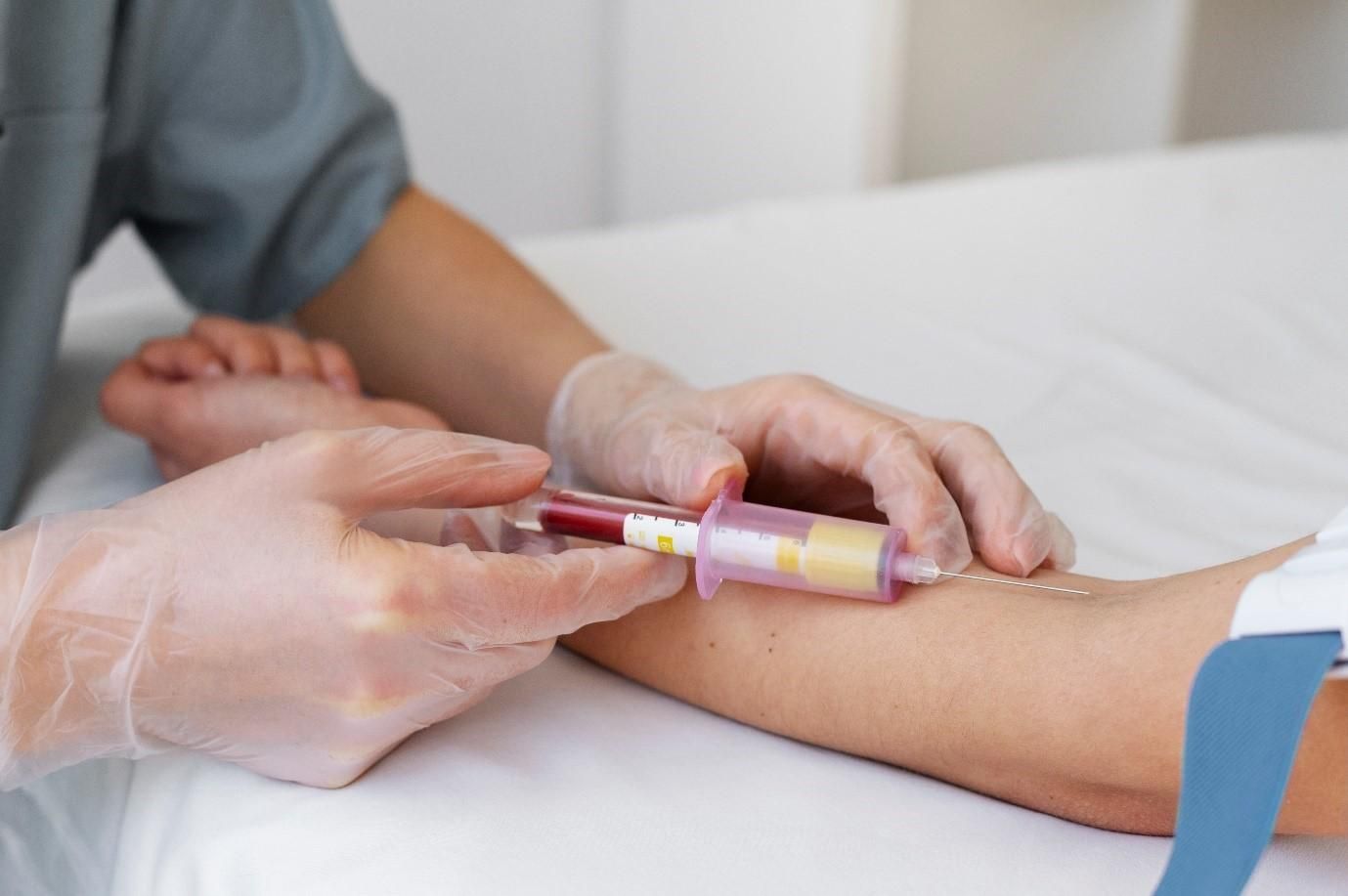
The cytomegalovirus (CMV) IgG & IgM test is a test that checks for antibodies your body produces in response to cytomegalovirus, a common virus from the herpes family. A doctor may prescribe this test when a patient shows symptoms of a viral infection or when assessing risk in pregnant women, organ transplant recipients, or people with weakened immune systems. The test is also known as the CMV antibody test, CMV serology test, CMV IgG/IgM screen, or CMV blood test. A small blood sample drawn from a vein in your arm is all that is needed.
What Does a Cytomegalovirus (CMV) IgG & IgM Test Measure?
The cytomegalovirus (CMV) IgG & IgM test detects two distinct types of antibodies your immune system makes when it encounters cytomegalovirus. This table shows what the test measures:
| Antibody | What It Indicates |
|---|---|
| CMV IgM | Produced first by the body after exposure to CMV, usually within one to two weeks. A positive result suggests a recent or active infection. |
| CMV IgG | Produced several weeks after initial infection. IgG levels rise during active infection, then stabilise. Once present, IgG antibodies remain detectable for life, indicating past exposure and immunity. |
Why Is a Cytomegalovirus (CMV) IgG & IgM Test Done?
A doctor may order this CMV IgG/IgM screen for several reasons, from investigating current symptoms to assessing infection risk in vulnerable groups.
Common Symptoms That May Require This Test
The following symptoms may prompt a doctor to request a CMV serology test:
- Persistent or unexplained fever
- Unusual tiredness or fatigue
- Sore throat
- Swollen lymph nodes (glands in the neck, armpits, or groin)
- Body aches and headache
- Mild flu-like symptoms that do not resolve quickly
Conditions This Test Can Help Detect
This test can help identify a range of infection-related conditions, including:
- Acute (current) CMV infection, indicated by positive IgM and IgG results together
- Past CMV infection with lasting immunity, indicated by positive IgG with negative IgM
- CMV mononucleosis-type syndrome, characterised by fever, general discomfort, and swollen lymph nodes
- Congenital CMV infection in newborns, which is the most common cause of viral intrauterine infection worldwide
- CMV disease in immunocompromised patients, such as those who have received organ transplants or those with AIDS
Cytomegalovirus (CMV) IgG & IgM Test During Pregnancy
Cytomegalovirus infection is an important concern during pregnancy because it can be transmitted from a mother to her developing baby. When a mother acquires a primary CMV infection during pregnancy, the virus can cross the placenta and infect the foetus. Infants born with congenital CMV infection may develop birth defects or long-term health problems, including hearing loss, visual impairment, or developmental delays. This test is commonly included as part of the TORCH panel (Toxoplasmosis, Rubella, Cytomegalovirus, and Herpes Simplex) during pregnancy, particularly when congenital abnormalities, unexplained jaundice, or developmental concerns are present.
How to Prepare and What to Expect
The CMV antibody test requires very little preparation. Here is what to know before your appointment.
Do You Need to Fast?
No fasting is required for this test. You may eat and drink as normal before your blood sample is collected. However, if your doctor has ordered other tests alongside this one, check whether those tests have fasting requirements.
Practical Tips Before Your Test
Keep the following points in mind to help ensure accurate results:
- Avoid testing within three months of a blood transfusion or immunoglobulin therapy, as these can affect antibody levels
- Aim to schedule testing at least two to three weeks after a suspected CMV exposure for the most reliable results
- Tell your doctor about any immunosuppressive medications, supplements, or recent illnesses before the test
- Wear a short-sleeved or loose-fitting top for easy access to your arm
Step-by-Step Procedure
The blood collection process is quick and straightforward. Here is what typically happens:
- A trained phlebotomist will clean a small area of skin on your inner arm with an antiseptic wipe.
- A small needle is gently inserted into a vein, usually at the crook of your elbow.
- A small quantity of blood is drawn into a collection tube. You may feel a brief sting as the needle enters.
- The needle is removed, and a small cotton pad or bandage is placed over the site. The whole process usually takes under five minutes.
- The labelled sample is packaged and sent to the laboratory for analysis.
Factors That Can Affect Accuracy
Certain factors may influence how reliable your results are:
- Testing too soon after exposure, before antibodies have had time to develop
- Immunocompromised status, which can delay or suppress the body's antibody response
- Recent blood transfusion or immunoglobulin therapy
- Interfering substances such as autoantibodies or heterophile antibodies, which can occasionally cause false-positive readings
Understanding Your Cytomegalovirus (CMV) IgG & IgM Test Results
Your doctor will review your cytomegalovirus (CMV) IgG & IgM test results alongside your symptoms, medical history, and any other tests ordered. The table below shows the interpretation of your test results:
| CMV IgG Result | CMV IgM Result | Interpretation |
|---|---|---|
| Positive | Positive | Likely recent exposure to CMV for the first time or reactivation of a previous CMV infection (in the presence of symptoms) |
| Negative | Positive | Possible recent CMV infection |
| Positive | Negative | Possible previous exposure (immunity to primary infection) |
| Negative | Negative | No current or prior CMV infection; symptoms are not due to CMV infection |
These ranges are general guidelines. Your doctor will interpret your results based on your age, health history, and other factors. Always consult a qualified healthcare professional for personalised medical advice.
Results During Special Conditions
Certain situations can make results harder to interpret. Your doctor will take these into account:
- In people with weakened immune systems, both IgM and IgG may come back negative even when an active infection is present, due to a delayed antibody response.
- In newborn cord blood testing, a positive IgG result often reflects antibodies passed from mother to baby rather than the infant's own immune response and requires careful interpretation.
- Certain substances in the blood, including autoantibodies and heterophile antibodies, can occasionally produce false-positive IgM results.
How to Maintain Healthy Levels
Good hygiene practices can reduce the risk of CMV exposure. These are general wellness tips and are not a substitute for medical advice:
- Wash hands frequently and thoroughly, particularly after handling young children's saliva or nappies
- Avoid sharing food, drinks, or utensils with others who may be unwell
- If you are pregnant or immunocompromised, take extra care to limit close contact with people known to have a current CMV infection
Lupin Diagnostics Cytomegalovirus (CMV) IgG & IgM Test Price and Home Collection
The cytomegalovirus (CMV) IgG & IgM test price starts at approximately ₹1150, with home sample collection available across major Indian cities. The table below shows approximate prices:
| City | Approximate Price (₹) |
|---|---|
| Mumbai | ₹1150 |
| Hyderabad | ₹1150 |
| Bengaluru | ₹1150 |
| Chennai | ₹1150 |
| Kolkata | ₹1150 |
| Pune | ₹1150 |
Prices are indicative and may vary by location. Please confirm the current price at the time of booking.
How to Book
- Select the test on the Lupin Diagnostics website.
- Choose your city and preferred time slot.
- Opt for home sample collection by a certified phlebotomist, or visit your nearest Lupin Diagnostics centre.
- Receive your report via email or WhatsApp within the stipulated turnaround time.
Home Collection
Lupin Diagnostics offers home collection for the CMV blood test across cities, making it convenient to get tested without visiting a centre. All samples are processed in NABL-accredited laboratories by experienced technologists. Your digital report is delivered directly to your email or WhatsApp once it's ready.
Frequently Asked Questions
IgM antibodies are the first to appear after CMV exposure and suggest a recent or active infection. IgG antibodies develop several weeks later and remain in the body for life, indicating past exposure and immunity. Together, both markers help your doctor understand the timing and nature of any CMV infection.
Not necessarily. A positive CMV IgG with a negative IgM generally indicates a past infection rather than active disease. If your doctor suspects an active infection, they may recommend additional tests such as CMV DNA PCR for a clearer picture.
Cytomegalovirus can pose serious risks during pregnancy. It is the most common cause of viral intrauterine infection, and congenitally infected infants may experience lasting problems such as hearing loss, visual impairment, or cognitive difficulties. Early detection through the CMV serology test is important for appropriate clinical management.
No fasting is required before the CMV IgG/IgM screen. You can eat and drink normally before your appointment. Simply inform your doctor of any medications or recent illnesses before your test. Always follow the specific instructions provided by your doctor.
Cytomegalovirus spreads through close contact with body fluids, including saliva, urine, blood, semen, and breast milk. Practising good hand hygiene and avoiding sharing utensils or drinks can help reduce the risk of transmission.
Yes. Once a person is infected with cytomegalovirus, the virus remains in the body in a dormant state for life. It can reactivate during periods of significant stress or when the immune system is weakened, which is why monitoring is important for immunocompromised individuals.
The test is particularly useful for pregnant women with symptoms of infection, people with weakened immune systems, organ transplant recipients, and newborns with signs that may suggest congenital infection. Your doctor will advise whether this test is appropriate based on your specific circumstances.
Cytomegalovirus (CMV) IgG & IgM Test: Booking, Price, and Results