Random Blood Sugar (RBS) Test
About Random Blood Sugar (RBS) Test
| Field | Value |
|---|---|
| Also Known As | RBS Test, RBG Test, Random Sugar Test, Random Blood Glucose, Casual Blood Glucose Test, Blood Sugar Random |
| Sample Type | Venous blood |
| Fasting Required | No fasting required |
| Report Time | Same day, typically within 1 to 2 hours |
| Recommended For | All genders and ages; particularly those with diabetes symptoms or risk factors |
| Price | Starting at ₹20 |
What Is a Random Blood Sugar (RBS) Test?
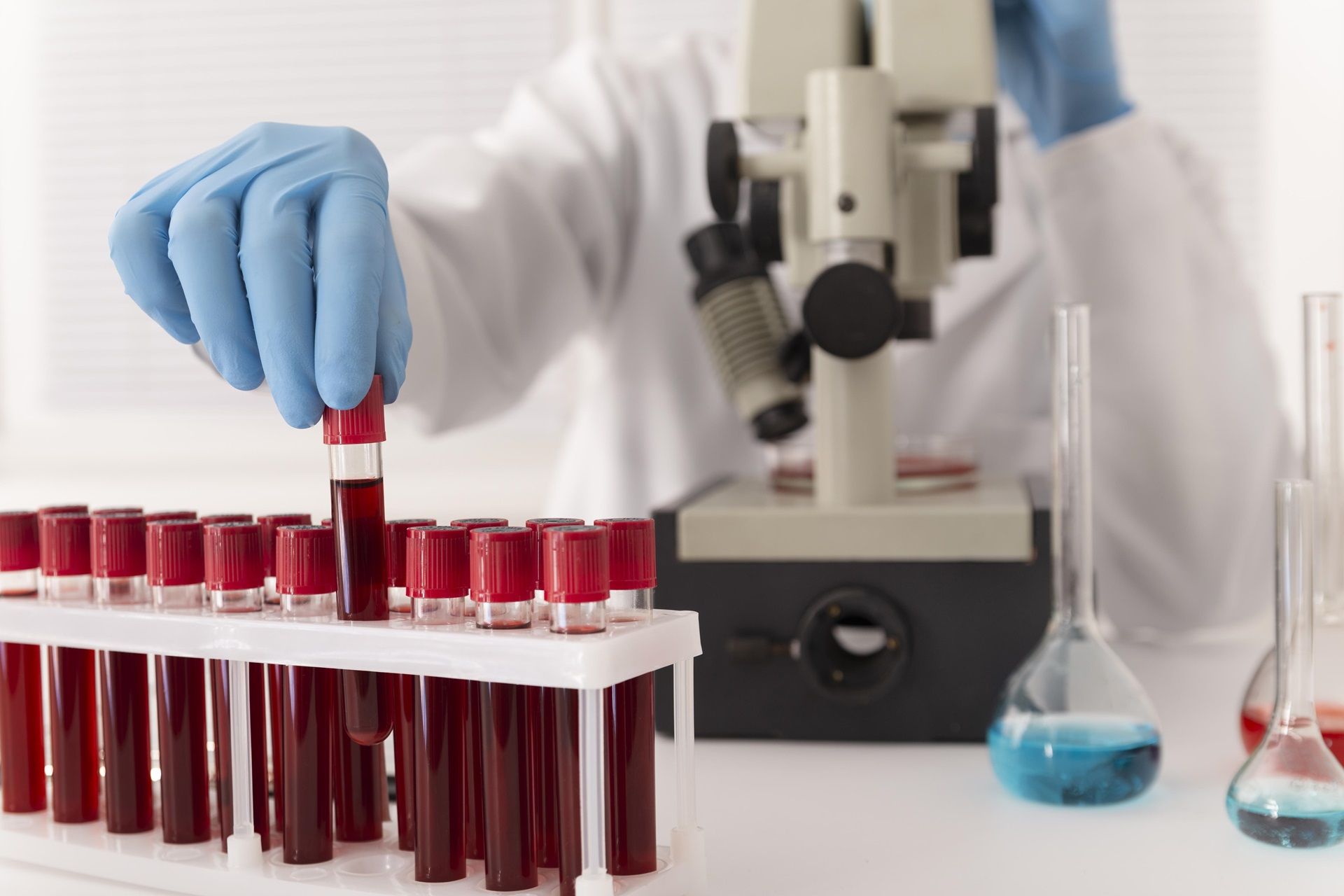
The Random Blood Sugar (RBS) test measures the level of glucose (sugar) in your blood at any point during the day, regardless of when you last ate. It is one of the most commonly prescribed tests for screening and diagnosing diabetes and pre-diabetes. A small sample of venous blood is drawn from your arm for this test. It is also known as the RBS test, RBG test, or random sugar test.
What Does a Random Blood Sugar (RBS) Test Measure?
The random sugar test analyses a single parameter. Here is what it looks at:
| Parameter | What It Tells You |
|---|---|
| Blood Glucose (Random) | The amount of glucose circulating in your blood at the time of the test, irrespective of your last meal. Glucose is the body's primary energy source, derived from the carbohydrates you eat. |
Why Is a Random Blood Sugar (RBS) Test Done?
Doctors prescribe the RBS test for a range of reasons, from routine screening to urgent symptom evaluation.
Common Symptoms That May Require This Test
The following symptoms often lead a doctor to recommend a random blood glucose check:
- Frequent urination, particularly at night
- Excessive thirst that does not go away easily
- Unexplained weight loss over a short period
- Persistent fatigue or low energy
- Blurred or suddenly worsening vision
- Slow-healing wounds or cuts
- Tingling or numbness in the hands or feet
Conditions This Test Can Help Detect
A Random Blood Sugar (RBS) test can help identify several conditions, including:
- Type 1 and Type 2 diabetes mellitus
- Pre-diabetes (when random blood glucose falls between 140 and 199 mg/dL)
- Hypoglycaemia (abnormally low blood sugar levels)
- Pancreatic tumours, hyperthyroidism (overactive thyroid), and adrenocortical dysfunction (problems with the adrenal glands)
Random Blood Sugar (RBS) Test for Chronic Disease Monitoring
For people already diagnosed with diabetes, the RBS test plays an important role in tracking blood sugar control over time. Regular monitoring helps doctors assess how well current treatment is working and adjust it when needed. Testing frequency varies by individual and is determined by the treating doctor.
How to Prepare and What to Expect
Preparing for a Random Blood Sugar (RBS) test is straightforward, since no special steps are required beforehand.
Do You Need to Fast?
No. You do not need to fast before this test. You can eat and drink as you normally would, which makes it a convenient option for quick screening at any time of day. If your doctor has ordered additional tests alongside this one, check whether any of those require fasting.
Practical Tips Before Your Test
A few simple steps can help ensure your sample is collected smoothly:
- Drink water as you normally would; staying hydrated helps with blood collection
- Tell your doctor about any medications you are taking, particularly corticosteroids, diuretics (water pills), or blood pressure medicines, as these can influence blood glucose levels
- Mention any existing health conditions, including recent illness or infection
- Wear a short-sleeved top or clothing with sleeves that can be easily rolled up
Step-by-Step Procedure
Here is what to expect during sample collection:
- You will be seated comfortably, and the phlebotomist (the trained professional who collects blood) will clean a small area on your arm with an antiseptic.
- A fine needle is used to draw a small amount of blood from a vein in your arm.
- The blood is collected in a sterilised vial or test tube and labelled carefully.
- The needle is removed, and a small bandage or cotton swab is placed over the site.
- You may notice mild bruising or swelling at the collection site; this typically resolves on its own within a few minutes.
- Your sample is sent to the laboratory, and results are generally ready within 1 to 2 hours.
Factors That Can Affect Accuracy
Several factors may influence the accuracy of your RBS test result:
- Recent food or drink intake (though this test does not require fasting, very recent meals can affect the reading)
- Physical or emotional stress at the time of testing
- Certain medications, particularly corticosteroids, diuretics, and some blood pressure drugs
- Time of day and recent physical activity levels
- Severe illness or active infection
Understanding Your Random Blood Sugar (RBS) Test Results
Your results should always be reviewed alongside your doctor, who will consider your full health picture before drawing any conclusions.
| Category | Random Blood Glucose Level |
|---|---|
| Normal | 70 to 140 mg/dL |
| Pre-diabetes | 140 to 199 mg/dL |
| Diabetes | 200 mg/dL or above |
| Hypoglycaemia (low blood sugar) | Below 70 mg/dL |
These ranges are general guidelines. Your doctor will interpret your results based on your age, health history, and other factors. Always consult a qualified healthcare professional for personalised medical advice.
Results During Special Conditions
Certain situations can cause blood glucose readings to shift, even in the absence of diabetes:
- Physical or emotional stress can raise blood glucose through hormonal and metabolic changes. Conditions involving excess hormones such as cortisol, growth hormone, or thyroid hormones (for example, Cushing's syndrome, acromegaly, or hyperthyroidism) may also push levels higher.
- Corticosteroid medications are known to raise blood sugar. People with diabetes who start a new steroid should monitor their blood glucose more frequently for several days.
- Severe illness or infection can temporarily raise blood glucose levels, even in people without a diabetes diagnosis.
How to Maintain Healthy Levels
These general wellness habits can support balanced blood sugar over time:
- Eat a diet with plenty of whole grains, vegetables, and lean proteins; reduce your intake of refined sugars and heavily processed foods
- Aim for at least 30 minutes of aerobic activity most days, which helps the body use glucose more efficiently
- Maintain a healthy weight and drink enough water throughout the day
Lupin Diagnostics Random Blood Sugar (RBS) Test Price and Home Collection
The Random Blood Sugar (RBS) test price starts at approximately ₹20, with home sample collection available across cities. The table below shows indicative prices across major Indian cities.
| City | Approximate Price (₹) |
|---|---|
| Bengaluru | ₹75 |
| Mumbai | ₹85 |
| Chennai | ₹60 |
| Hyderabad | ₹70 |
| Kolkata | ₹85 |
| Pune | ₹70 |
| Ahmednagar | ₹70 |
Prices are indicative and may vary by location. Please confirm the current price at the time of booking.
How to Book
- Select the test on the Lupin Diagnostics website.
- Choose your city and preferred time slot.
- Opt for home sample collection by a certified phlebotomist, or visit your nearest Lupin Diagnostics centre.
- Receive your report via email or WhatsApp within the stipulated turnaround time.
Home Collection
Lupin Diagnostics offers home sample collection for the random sugar test across multiple cities in India. All samples are processed in NABL-accredited laboratories by trained professionals. Your digital report is delivered via email or WhatsApp, so you can access it from anywhere.
Frequently Asked Questions
The RBS test (random blood sugar) can be done at any time of day, regardless of when you last ate. The FBS test (fasting blood sugar) is done in the morning after at least 8 hours without food or drink. Both tests check blood glucose levels, but they are used in slightly different clinical situations as determined by your doctor.
No fasting is needed. You can eat and drink as usual before the random sugar test, which makes it easy to fit into your day at any convenient time.
A result between 70 and 140 mg/dL is generally considered normal for a random blood glucose reading. A result between 140 and 199 mg/dL may indicate pre-diabetes, while a reading of 200 mg/dL or above may indicate diabetes. Your doctor will confirm what your specific result means.
Yes. Corticosteroids are known to raise blood sugar levels. Diuretics and certain blood pressure medications can also influence the reading. Always tell your doctor about any medicines you are taking before your RBS test.
Results for the Random Blood Sugar (RBS) test are typically ready on the same day, often within 1 to 2 hours of sample collection. Your report will be sent to you digitally via email or WhatsApp.
A random blood sugar test is recommended if you notice symptoms such as excessive thirst, frequent urination, unexplained weight loss, or persistent fatigue. It is also useful if you have risk factors for diabetes, such as a family history of the condition, obesity, or a sedentary lifestyle. Your doctor is the best person to advise on timing and frequency.
Yes. Lupin Diagnostics provides home sample collection for the RBG test. A trained phlebotomist visits your home, collects the blood sample, and sends it to the laboratory for analysis. You receive your results digitally without having to visit a centre.
Random Blood Sugar (RBS) Test