Blood Glucose Post Prandial (PPBS) Test: Booking, Price, and Results
About Blood Glucose Post Prandial (PPBS) Test: Booking, Price, and Results
| Field | Value |
|---|---|
| Also Known As | Glucose Postprandial Test, Glucose 2-hour Postprandial Test, 2-hour PPG Test, 2-hour Postprandial Blood Sugar Test |
| Sample Type | Venous blood |
| Fasting Required | Not required |
| Report Time | Within 24 hours |
| Recommended For | All adults; especially those with diabetes risk factors, family history of diabetes, or symptoms of abnormal blood sugar |
| Price | Starting at ₹60 |
What Is a Blood Glucose Post Prandial (PPBS) Test?
The blood glucose postprandial (PPBS) test measures the level of glucose (sugar) in your blood exactly two hours after eating a meal. It shows how well your body processes the sugar absorbed from food. Doctors commonly prescribe this test to screen for diabetes, monitor known diabetics, and assess how the body responds to glucose after eating. The test is also called the glucose postprandial test, glucose 2-hour postprandial test, 2-hour PPG test, or 2-hour postprandial blood sugar test, and it requires a small venous blood sample.
What Does a Blood Glucose Post Prandial (PPBS) Test Measure?
The glucose postprandial test tracks a single key parameter. The table below explains what it assesses:
| Parameter | What It Tells You |
|---|---|
| 2-hour Postprandial Blood Glucose | The concentration of glucose in your blood plasma two hours after eating, showing how effectively your body regulates the post-meal sugar rise |
When you eat a meal, blood sugar rises. Insulin, a hormone produced by the pancreas, normally brings this level back down within two hours. The 2-hour PPG test checks whether this process is working as it should.
Why Is a Blood Glucose Post Prandial (PPBS) Test Done?
The blood glucose postprandial (PPBS) test is ordered for several reasons, from initial screening to ongoing health monitoring.
Common Symptoms That May Require This Test
A doctor may ask for a 2-hour postprandial blood sugar test if you experience any of the following symptoms:
- Excessive thirst or a dry mouth that does not go away
- Frequent urination, especially at night
- Unexplained fatigue or persistent tiredness
- Blurred vision
- Slow-healing cuts or wounds
- Unexplained weight loss
- Increased hunger even after eating
Conditions This Test Can Help Detect
The glucose 2-hour postprandial test can help identify a range of conditions, including:
- Type 1 and type 2 diabetes
- Prediabetes
- Impaired glucose tolerance (a condition where blood sugar is higher than normal but not yet in the diabetic range)
- Gestational diabetes (diabetes that develops during pregnancy)
- Reactive hypoglycaemia (low blood sugar that occurs after meals)
- Metabolic syndrome
- Elevated cardiovascular risk linked to poor glucose control
Blood Glucose Post Prandial (PPBS) Test During Pregnancy
Monitoring postprandial glucose is a routine part of antenatal care. During pregnancy, the body naturally becomes more resistant to insulin, which can cause blood sugar to rise after meals. The 2-hour postprandial blood sugar target for women with gestational diabetes is at or below 120 mg/dL, while women with pre-existing type 1 or type 2 diabetes are advised to keep their 2-hour post-meal glucose below 120 mg/dL as well. Regular testing helps prevent complications such as an abnormally large baby, preterm birth, and high blood pressure in pregnancy.
Blood Glucose Post Prandial (PPBS) Test for Chronic Disease Monitoring
For people already diagnosed with diabetes, the blood glucose postprandial (PPBS) test is a key tool for tracking how well treatment is working. Alongside fasting glucose and HbA1c readings, post-meal glucose monitoring provides a fuller picture of overall blood sugar control. Depending on their treatment plan, some individuals may test daily, while others do so weekly or at intervals advised by their doctor.
How to Prepare and What to Expect
The preparation for the 2-hour PPG test is straightforward, but following a few simple steps ensures accurate results.
Do You Need to Fast?
No fasting is required for the blood glucose postprandial (PPBS) test. The test is specifically designed to be done two hours after eating a meal. If your doctor has also requested a fasting blood sugar test on the same day, that portion will require an overnight fast of eight to twelve hours. Always follow the instructions given by your doctor or the diagnostic centre at the time of booking.
Practical Tips Before Your Test
Keep these points in mind before your sample is collected:
- Eat a normal, balanced meal that includes carbohydrates; complete it within 15 to 20 minutes
- Note the exact time you finish eating, as the blood draw must happen two hours later
- Rest during the two-hour wait; avoid walking briskly, exercising, or any strenuous activity
- Do not eat; drink (other than plain water); or smoke during the two-hour waiting period
- Tell your doctor about any medications you take, especially diabetes medicines, steroids, or diuretics
- Wear a loose-fitting top or short sleeves for easy blood collection
Step-by-Step Procedure
Here is what happens during a typical glucose postprandial test appointment:
- Eat a normal meal containing carbohydrates and finish it within 15 to 20 minutes.
- Record the time your meal ends and begin the two-hour rest period.
- Avoid all food, drinks (except water), smoking, and physical activity during those two hours.
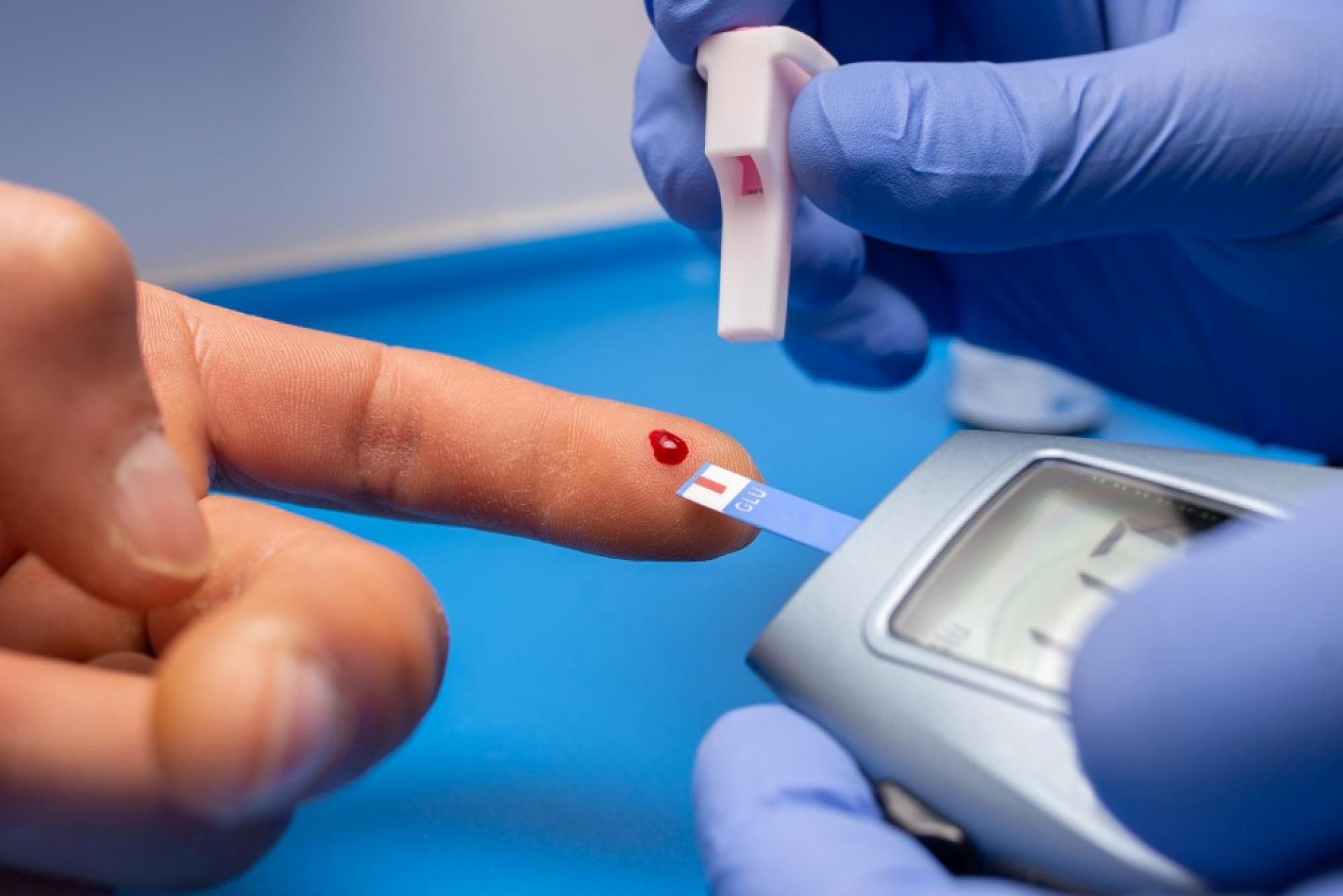
- At the two-hour mark, a trained phlebotomist (blood collection technician) will clean a small area on your arm.
- A sterile needle is used to draw a small amount of blood from a vein; this takes under a minute and causes only a brief, mild sting.
- The sample is sealed and sent to the laboratory for glucose measurement.
Factors That Can Affect Accuracy
Certain factors may influence your results. These include:
- Eating an unusually high-carbohydrate or high-sugar meal before the test
- Collecting the sample earlier or later than the two-hour mark
- Physical activity during the waiting period
- Acute stress or recent illness or infection
- Certain medications such as corticosteroids, diuretics, or insulin
- Underlying conditions such as liver disease, thyroid disorders, or kidney disease
Understanding Your Blood Glucose Post Prandial (PPBS) Test Results
Your result should always be reviewed by your doctor alongside your symptoms, medical history, and other test findings. The table below shows general reference ranges:
| Indication | Blood ranges (mg/dL) |
|---|---|
| Normal | 140 and below |
| Pre-diabetic | 140 - 199 |
| Diabetic | 200 and above |
These ranges are general guidelines. Your doctor will interpret your results based on your age, health history, and other factors. Always consult a qualified healthcare professional for personalised medical advice.
Results During Special Conditions
Certain health states can affect how your blood glucose postprandial (PPBS) test result should be read:
- During pregnancy, the body naturally becomes more resistant to insulin from around 16 weeks of gestation, which can push postprandial glucose values higher than usual.
- Acute stress or illness triggers the release of hormones such as cortisol and adrenaline, which can temporarily raise blood glucose levels even in people without diabetes.
- Conditions such as liver disease, thyroid disorders, or kidney disease can alter how your body handles sugar and handles metabolism.
How to Maintain Healthy Levels
If your results fall outside the normal range, lifestyle modifications and medical guidance can help manage your levels effectively:
- Dietary adjustments: Focus on whole foods, fiber-rich vegetables, legumes, and lean proteins while minimizing refined sugars and processed carbohydrates.
- Regular physical activity: Consistent exercise increases insulin sensitivity, helping your muscles utilize glucose effectively.
- Weight management: Achieving and maintaining a healthy weight can significantly lower insulin resistance.
- Medication compliance: If prescribed, take your diabetes medications or insulin exactly as directed by your healthcare provider.
- Routine monitoring: Keep tracking your fasting and post-meal glucose levels to notice trends and share them with your doctor.
Lupin Diagnostics Blood Glucose Post Prandial (PPBS) Test Price and Home Collection
The postprandial blood glucose (PPBS) test at Lupin Diagnostics starts at approximately ₹60, with home sample collection available across cities in India.
Price by City
| City | Approximate Price (₹) |
|---|---|
| Chennai | ₹60 |
| Mumbai | ₹90 |
| Bengaluru | ₹75 |
| Hyderabad | ₹70 |
| Kolkata | ₹85 |
| Pune | ₹70 |
Prices are indicative and may vary by location. Please confirm the current price at the time of booking.
How to Book
- Select the test on the Lupin Diagnostics website.
- Choose your city and preferred time slot via the online booking page.
- Opt for home sample collection by a certified phlebotomist, or visit your nearest Lupin Diagnostics centre.
- Receive your report via email or WhatsApp within the stipulated turnaround time.
Home Collection
Home sample collection for the 2-hour postprandial blood sugar test is available across multiple cities. A certified phlebotomist visits your home at your scheduled time, ensuring the two-hour post-meal window is maintained accurately.All samples are processed in NABL-accredited laboratories, and digital reports are delivered via email or WhatsApp.
Frequently Asked Questions
PPBS stands for postprandial blood sugar. "Postprandial" simply means "after a meal". The blood glucose postprandial (PPBS) test measures your blood glucose level exactly two hours after you finish eating.
The 2-hour postprandial blood sugar test measures how your body handles glucose from food. A fasting blood sugar (FBS) test, by contrast, measures your baseline sugar level after 8 to 12 hours without eating. Both tests give different but complementary information about your blood sugar control.
Eat a normal, balanced meal that includes carbohydrates, and finish it within 15 to 20 minutes. Avoid unusually sugary or very high-carbohydrate meals. Do not skip the meal, as eating is a required part of the test preparation.
Tell your doctor about all medications you are currently taking before the test. Some medications, including diabetes medicines, steroids, and diuretics, can affect your glucose reading. Your doctor will advise you whether to take them as usual or adjust the timing.
A high result on the 2-hour PPG test may suggest that your pancreas is not producing enough insulin or that your body is not responding to insulin effectively. This can indicate prediabetes, type 2 diabetes, or other conditions affecting glucose regulation. Your doctor will advise on any further steps based on your full clinical picture.
The frequency depends on your individual treatment plan and your doctor's recommendation. Some people with diabetes test daily, while others do so weekly or at scheduled intervals. Your doctor will advise the right frequency based on your medication, glucose control, and overall health.
Blood Glucose Post Prandial (PPBS) Test: Booking, Price, and Results