Bilirubin Direct Test
About Bilirubin Direct Test
| Field | Value |
|---|---|
| Also Known As | Direct Bilirubin Test, Conjugated Bilirubin Test, DBIL Test |
| Sample Type | Venous blood (serum or plasma) |
| Fasting Required | No fasting required |
| Report Time | 24 hours |
| Recommended For | All ages and genders; commonly ordered for individuals with suspected liver disease or jaundice |
| Price | Starting at ₹150 |
What Is a Bilirubin Direct Test?
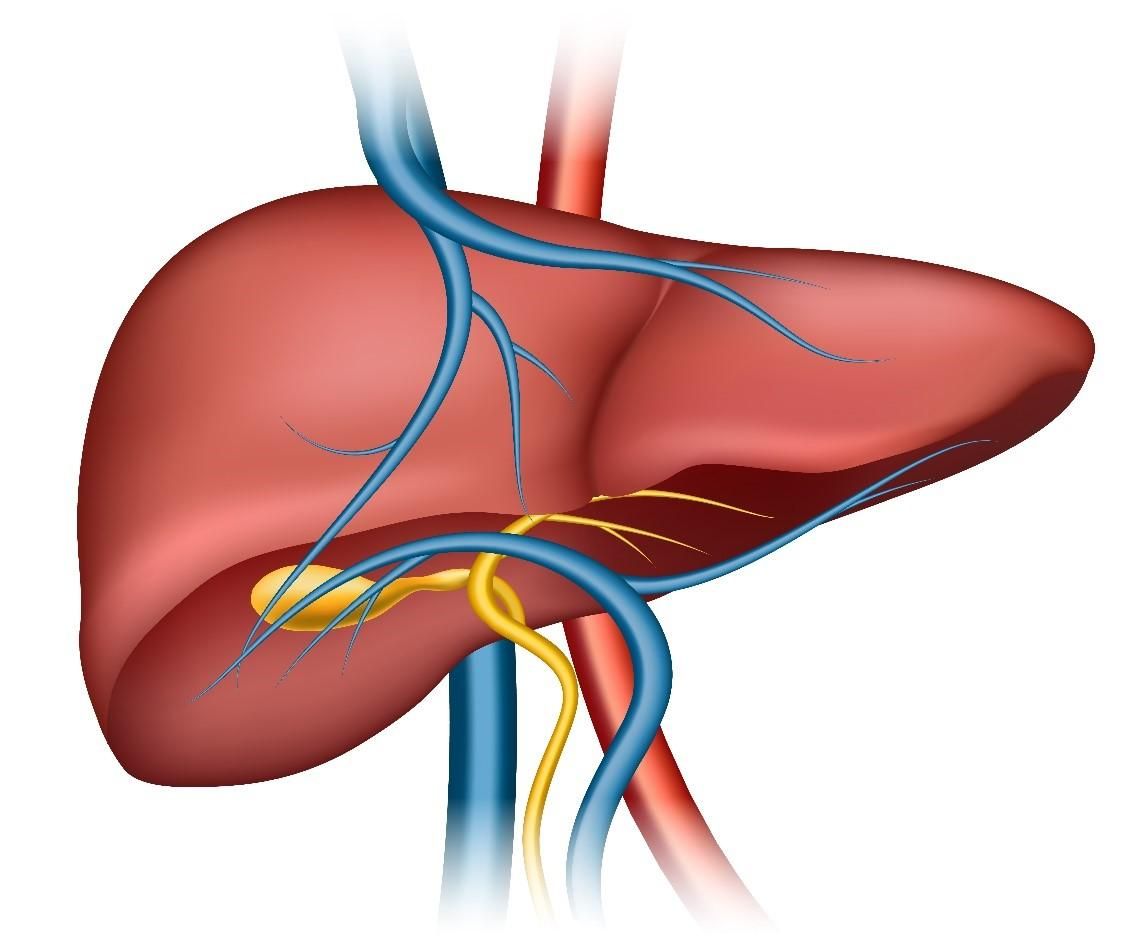
A bilirubin direct test measures the level of conjugated (processed) bilirubin in your blood. Bilirubin is a yellowish substance your body produces when it breaks down old red blood cells. The liver converts bilirubin into a water-soluble form, known as direct or conjugated bilirubin, so it can be expelled through bile and the intestines. This test is also called a conjugated bilirubin test or DBIL test, and it is usually ordered alongside total and indirect bilirubin measurements to assess liver function.
What Does a Bilirubin Direct Test Measure?
The bilirubin direct test focuses specifically on the form of bilirubin that has already been processed by the liver. Here is what the test analyses:
| Parameter | What It Measures |
|---|---|
| Direct (conjugated) bilirubin | The water-soluble form of bilirubin produced after the liver has chemically processed it. This form travels from the liver into the small intestine via bile. |
When direct bilirubin rises above normal, it usually points to a problem with bile flow or liver function rather than a problem with red blood cell breakdown.
Why Is a Bilirubin Direct Test Done?
Doctors order this test to investigate symptoms or conditions related to the liver, bile ducts, and red blood cell breakdown.
Common Symptoms That May Require This Test
The following symptoms are common reasons a doctor may request a bilirubin direct test:
- Yellowing of the skin or whites of the eyes (jaundice)
- Dark yellow or brown-coloured urine
- Light grey or clay-coloured stools
- Persistent tiredness or fatigue
- Pain or swelling in the abdomen
Conditions This Test Can Help Detect
The conjugated bilirubin test can assist in identifying a range of liver and bile-related conditions. These include:
- Hepatitis (liver inflammation caused by infection, alcohol, or certain medications)
- Gallstones blocking the bile duct, causing direct bilirubin to accumulate
- Cholangitis (inflammation of the bile duct)
- Bile duct obstruction or scarring
- Cirrhosis and other chronic liver diseases
- Rare inherited conditions such as Dubin-Johnson syndrome or Rotor syndrome
Bilirubin Direct Test for Chronic Disease Monitoring
For patients with long-term liver conditions such as cirrhosis, alcohol-related liver disease, or chronic hepatitis C, bilirubin levels are measured regularly to track disease progression. Elevated direct bilirubin in these patients can signal worsening liver function or reduced bile flow. Doctors use these results alongside other tests to assess treatment response and adjust care accordingly.
How to Prepare and What to Expect
No special preparation is needed before a DBIL test, but a few simple steps will help ensure an accurate sample.
Do You Need to Fast?
No, fasting is not required before a bilirubin direct test. You can eat and drink normally before your appointment. However, it is advisable to avoid alcohol for at least 24 hours before the test, as alcohol can affect liver function and may influence results. Always follow the instructions given by your doctor or the diagnostic centre at the time of booking.
Practical Tips Before Your Test
A few simple steps can help ensure an accurate result. Keep the following in mind:
- Tell the phlebotomist or your doctor about any medications you are taking, including supplements and herbal remedies.
- Avoid strenuous physical activity on the day of the test, as exercise can temporarily alter bilirubin levels.
- Wear a short-sleeved top or clothing with sleeves that are easy to roll up.
- Drink plain water freely; staying hydrated makes the blood draw easier.
Step-by-Step Procedure
The sample collection process is quick and simple. Here is what to expect:
- A trained phlebotomist will clean a small area on your arm near a vein.
- A fine needle is inserted to draw a small amount of blood into a collection vial.
- You may feel a brief, mild sting; this passes within a few seconds.
- Once the required amount of blood is collected, the needle is removed, and a small dressing is applied.
- The sample is carefully shielded from light, as bilirubin breaks down when exposed to it.
- The sealed sample is labelled and sent to the laboratory for analysis.
Factors That Can Affect Accuracy
Several factors may influence the accuracy of your result. These include:
- Exposure of the blood sample to direct light before analysis
- Haemolysis (breakdown of red blood cells during collection)
- Certain medications, including antibiotics, oral contraceptives, and steroids
- Strenuous exercise performed shortly before the test
- Dehydration
Understanding Your Bilirubin Direct Test Results
Your doctor will review your results in the context of your overall health and medical history. The table below shows general reference ranges:
| Parameter | Normal Range |
|---|---|
| Conjugated Bilirubin (Direct) | 0.0 to 0.3 mg/dL |
These ranges are general guidelines. Your doctor will interpret your results based on your age, health history, and other factors. Always consult a qualified healthcare professional for personalised medical advice.
Results During Special Conditions
Certain conditions can alter bilirubin readings and require careful interpretation. The following are worth noting:
- Increased destruction of red blood cells (haemolysis) can raise bilirubin production beyond what the liver can process, pushing levels above normal.
- Genetic conditions such as Gilbert's syndrome, Wilson disease, and Crigler-Najjar syndrome affect how the body metabolises bilirubin and can alter results.
- Pregnancy may also affect readings in certain situations, particularly if conditions such as acute fatty liver of pregnancy are present.
How to Maintain Healthy Levels
These general lifestyle habits support liver health and normal bilirubin levels:
- Avoid or limit alcohol, as it places significant stress on the liver.
- Follow a diet with plenty of fruits, vegetables, and whole grains to support liver function.
- Drink adequate water throughout the day to help the body process and eliminate waste products efficiently.
Lupin Diagnostics Bilirubin Direct Test Price and Home Collection
The bilirubin direct test price starts at approximately ₹150, with home sample collection available across cities in India. The table below shows indicative prices across major Indian cities:
| City | Approximate Price (₹) |
|---|---|
| Mumbai | ₹170 |
| Bengaluru | ₹170 |
| Chennai | ₹170 |
| Hyderabad | ₹150 |
| Kolkata | ₹150 |
| Pune | ₹150 |
Prices are indicative and may vary by location. Please confirm the current price at the time of booking.
How to Book
Booking your bilirubin direct test with Lupin Diagnostics is simple:
- Select the test on the Lupin Diagnostics website.
- Choose your city and preferred time slot.
- Opt for home sample collection by a certified phlebotomist, or visit your nearest Lupin Diagnostics centre.
- Receive your report via email or WhatsApp within the stipulated turnaround time.
Home Collection
Lupin Diagnostics offers home sample collection across cities, so you can get tested without leaving your home. All samples are processed in NABL-accredited laboratories, ensuring reliable and consistent results. Once ready, your report is delivered digitally via email or WhatsApp.
Frequently Asked Questions
Direct bilirubin is the processed, water-soluble form that the liver has already converted and prepared for excretion through bile. Indirect bilirubin is the unprocessed form, still bound to a protein called albumin. The bilirubin direct test specifically measures the processed fraction, while total bilirubin captures both types together.
No, fasting is not needed. You can eat and drink as usual before the test. The only precaution is to avoid alcohol for 24 hours beforehand, as it can affect liver function and potentially influence your results. Always follow the instructions given by your doctor or the diagnostic centre at the time of booking.
Common signs include yellowing of the skin or eyes (jaundice), dark-coloured urine, pale or clay-coloured stools, and persistent abdominal discomfort. If you notice any of these symptoms, speak to your doctor, who may recommend a conjugated bilirubin test to investigate further.
Yes. Several medicines, including certain antibiotics, oral contraceptives, steroids, and some seizure medications, can raise or lower bilirubin levels. Always inform your doctor and the collection staff about all medicines you take before the DBIL test.
A raised result suggests that processed bilirubin is accumulating in the blood rather than being excreted normally. This pattern often points to a problem with bile flow (cholestasis) or liver inflammation. Your doctor will assess the result alongside other tests to determine the cause.
Yes, this test is frequently used to evaluate jaundice in newborns. Many healthy babies develop mild jaundice shortly after birth because their livers are still maturing. The condition is generally not harmful and resolves within a few weeks. The test helps doctors monitor bilirubin levels and decide if any intervention is needed.
The blood draw itself takes less than five minutes. A small needle is used to collect blood from a vein in your arm. Most people feel only a brief, mild sting. The sample is then carefully sent to the laboratory for testing.
Bilirubin Direct Test