Antinuclear Antibody (ANA) Test
About Antinuclear Antibody (ANA) Test
| Field | Value |
|---|---|
| Also Known As | Antinuclear Antibody Panel, Fluorescent Antinuclear Antibody Test, FANA Test, ANA Reflexive Panel |
| Sample Type | Venous blood (serum) |
| Fasting Required | Not required |
| Report Time | 2 to 4 days |
| Recommended For | All genders and ages; more commonly ordered for women |
| Price | Starting at ₹3300 |
What Is an Antinuclear Antibody (ANA) Test?
The antinuclear antibody (ANA) test is a blood test that checks for a group of antibodies that can attack the body's own cells. It is one of the most common screening tools used when a doctor suspects a systemic autoimmune condition. The test uses a venous blood sample and is also known as the fluorescent antinuclear antibody test, the FANA test, the ANA reflexive panel or the antinuclear antibody panel.
What Does an Antinuclear Antibody (ANA) Test Measure?
The antinuclear antibody (ANA) test looks at three key aspects of antibody activity in the blood. Here is what each component tells your doctor:
| Component | What It Measures |
|---|---|
| Antinuclear Antibodies | Detects antibodies that target the nucleus of the body's own cells instead of foreign invaders |
| Titre (Concentration) | Measures how many antibodies are present; a higher titre is more likely to indicate an autoimmune condition |
| Fluorescence Pattern | Identifies the pattern in which antibodies appear (homogeneous, speckled, centromeric, or nucleolar); each pattern is linked to different autoimmune disorders |
Why Is an Antinuclear Antibody (ANA) Test Done?
The antinuclear antibody panel is one of the most common screening tools when a doctor suspects a systemic autoimmune condition. It helps narrow down what may be causing a patient's symptoms.
Common Symptoms That May Require This Test
A doctor may recommend the FANA test when a patient reports the following:
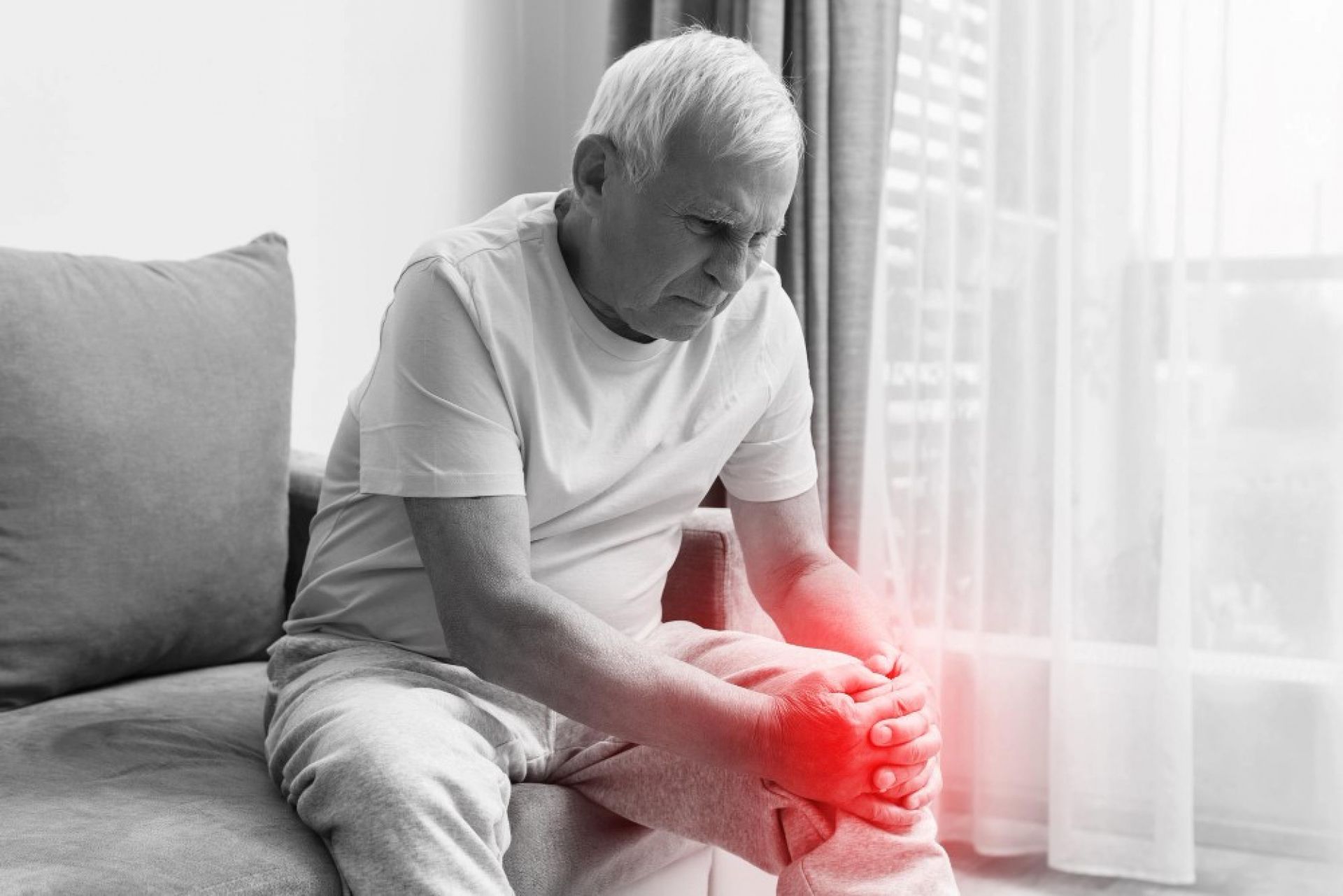
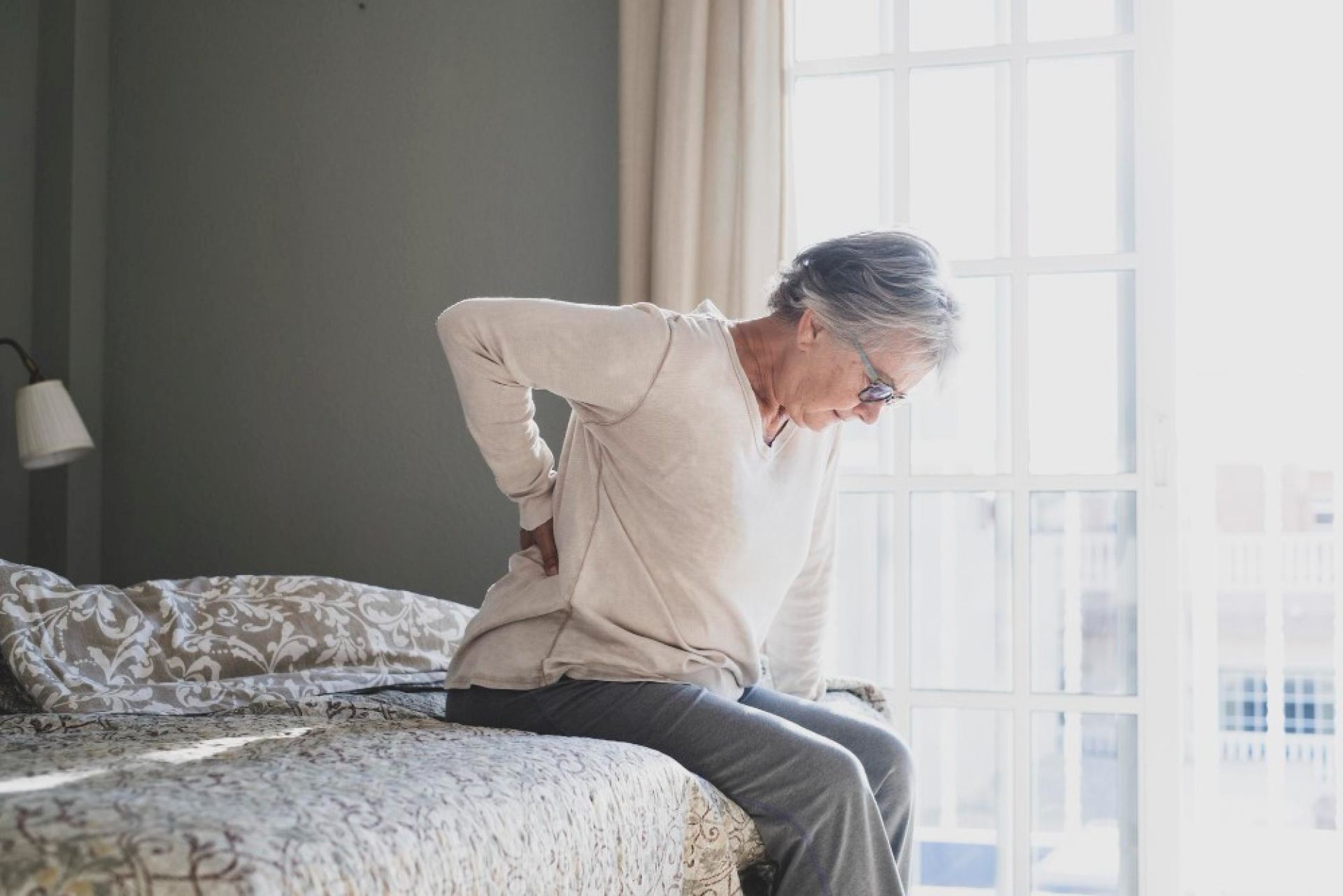
- Persistent joint pain or swelling
- Unexplained, long-lasting fatigue
- Low-grade fever without a clear cause
- Skin rashes, particularly across the face or exposed areas
- Muscle weakness
- Sensitivity to sunlight
- Raynaud's phenomenon, where fingers change colour in response to cold temperatures
Conditions This Test Can Help Detect
The ANA reflexive panel can help identify a range of autoimmune and inflammatory conditions, including:
- Systemic lupus erythematosus (SLE), a condition where the immune system attacks multiple organs
- Sjögren's syndrome, which affects the glands that produce saliva and tears
- Systemic sclerosis (scleroderma), which causes hardening of the skin and connective tissue
- Mixed connective tissue disease (MCTD)
- CREST syndrome
- Idiopathic inflammatory myopathies (muscle inflammation conditions)
- Autoimmune hepatitis
- Certain thyroid disorders
How to Prepare and What to Expect
Preparation for the antinuclear antibody (ANA) test is straightforward, but a few simple steps will help ensure your sample is collected without any issues.
Do You Need to Fast?
No fasting is required for this test. You can eat and drink normally beforehand. However, if your doctor has requested additional blood tests alongside the ANA reflexive panel, some of those other tests may require fasting. Confirm with your doctor at the time of booking.
Practical Tips Before Your Test
A little preparation can help ensure a smooth experience. Keep these points in mind:
- Carry a list of all medications you currently take, as certain medicines can affect your results
- Stay well hydrated before the blood draw, as this makes veins easier to access
- Inform your doctor about any recent viral illness or active infections
- Wear a short-sleeved or loose-sleeved top for easy access to your arm
Step-by-Step Procedure
The collection process is quick and causes minimal discomfort. Here is what to expect:
- A trained phlebotomist cleans the inside of your elbow with an antiseptic solution.
- A tightened elastic band is tied around your upper arm to make the vein more visible.
- A fine needle is gently inserted into a vein to draw a small amount of blood.
- The blood is collected into a sample tube, and the needle is removed.
- A small bandage is placed over the site.
- Your sample is labelled and dispatched to the laboratory for analysis.
Factors That Can Affect Accuracy
Certain factors may influence your test result. Be sure to mention any of the following to your doctor:
- Age, as ANA positivity naturally increases in older adults
- Certain medications, including hydralazine, procainamide, and some anti-seizure medicines
- Recent viral infections, including COVID-19
- Chronic infections
- Certain cancers
Understanding Your Antinuclear Antibody (ANA) Test Results
Your ANA reflexive panel results should always be reviewed alongside your symptoms, medical history, and any other tests your doctor has ordered. The table below shows general reference ranges:
| ANA Titre | Interpretation |
|---|---|
| Negative or less than 1:40 | No significant antibodies detected |
| 1:40 to 1:80 | Low positive; can be seen in healthy individuals |
| 1:160 or above | Significantly positive; requires clinical follow-up |
A negative result makes an autoimmune disorder less likely, but it does not rule one out entirely. A positive result does not automatically mean you have a disease.
These ranges are general guidelines. Your doctor will interpret your results based on your age, health history, and other factors. Always consult a qualified healthcare professional for personalised medical advice.
Results During Special Conditions
Some circumstances can naturally influence your antinuclear antibody (ANA) test result without indicating disease:
- ANA levels tend to be higher in women and increase with age, partly due to the role of sex hormones such as oestrogen in immune regulation.
- Pregnancy can also trigger temporary ANA positivity in otherwise healthy women due to increased exposure to nuclear antigens during gestation.
- Temporary ANA positivity has been reported after certain viral infections and vaccinations. If this is suspected, your doctor may recommend repeating the test after 3 to 6 months before drawing any conclusions.
How to Maintain Healthy Levels
While ANA levels are not something you can directly control, general immune health benefits from the following:
- Eat a diet rich in vegetables, fruits, and anti-inflammatory foods such as leafy greens and oily fish
- Engage in regular moderate exercise to support healthy immune function
- Report any new or worsening symptoms to your doctor promptly for timely assessment
Lupin Diagnostics Antinuclear Antibody (ANA) Test Price and Home Collection
The antinuclear antibody (ANA) test price starts at ₹3300, and home sample collection is available across cities through Lupin Diagnostics. Indicative prices are shown below:
| City | Approximate Price (₹) |
|---|---|
| Pune | ₹3300 |
| Kolkata | ₹3300 |
| Mumbai | ₹3300 |
| Bengaluru | ₹3300 |
| Hyderabad | ₹3300 |
| Chennai | ₹3300 |
Prices are indicative and may vary by location. Please confirm the current price at the time of booking.
How to Book
Follow these simple steps to book your test:
- Select the test on the Lupin Diagnostics website.
- Choose your city and preferred time slot.
- Opt for home sample collection by a certified phlebotomist, or visit your nearest Lupin Diagnostics centre.
- Receive your report via email or WhatsApp within the stipulated turnaround time.
Home Collection
Lupin Diagnostics offers home sample collection for the antinuclear antibody panel across cities, so you can get tested without visiting a centre. All samples are processed in NABL-accredited laboratories by qualified professionals. Your digital report is delivered securely via email or WhatsApp.
Frequently Asked Questions
The antinuclear antibody (ANA) test is the standard screening test for suspected autoimmune rheumatic diseases, also called connective tissue diseases. Doctors order it when a patient's symptoms, such as joint pain, fatigue, or unexplained rashes, suggest the immune system may be attacking the body's own tissue.
Yes, this is possible. A positive result does not automatically mean you have an autoimmune disease. Studies suggest that up to 20% of healthy adults, particularly older women, may show a positive result. Your doctor will consider the titre level, pattern, and your clinical symptoms together before drawing any conclusions.
No fasting is needed for the FANA test when it is taken on its own. You can eat and drink normally beforehand. If your doctor has requested other blood tests at the same time, some of those may require fasting, so it is best to confirm with your doctor.
The pattern observed in the fluorescent antinuclear antibody test can point your doctor towards different conditions. A homogeneous pattern is often linked to antibodies against DNA or histones, commonly seen in lupus. A speckled pattern may suggest conditions such as MCTD, Sjögren's syndrome, or rheumatoid arthritis. Your doctor will use the pattern together with the titre to guide further investigation.
Yes, certain medicines can cause a positive antinuclear antibody panel result even in people without an underlying autoimmune condition. These include some blood pressure medications such as hydralazine and procainamide, as well as certain anti-seizure medicines. Always give your doctor a complete list of your current medications before the test.
Not necessarily. A positive antinuclear antibody (ANA) test indicates the presence of these antibodies in your blood, but a large number of people with a positive result do not have lupus. Lupus is diagnosed based on a combination of clinical symptoms, physical examination, and several other specific blood tests. Your doctor will assess the full picture before making any diagnosis.
Antinuclear Antibody (ANA) Test