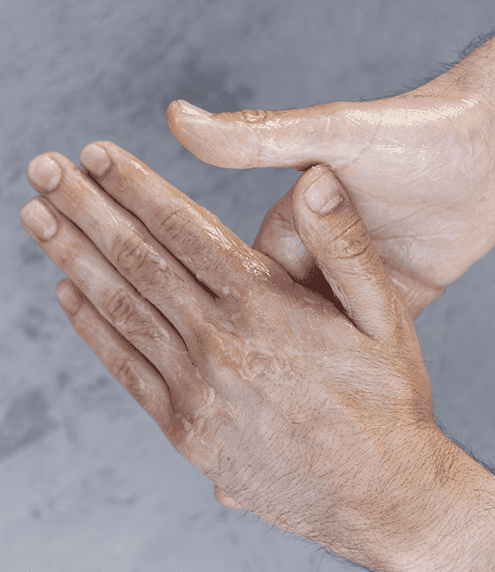
Anti-Scl-70 Antibody (Scl-70) Test: Booking, Price, and Results
About Anti-Scl-70 Antibody (Scl-70) Test: Booking, Price, and Results
| Field | Value |
|---|---|
| Also Known As | Anti-topoisomerase I antibody, Anti-topo I antibody, ATA, Scleroderma antibody, Topoisomerase I antibody |
| Sample Type | Venous blood (serum) |
| Fasting Required | No fasting needed |
| Report Time | 2 to 5 business days (varies by laboratory) |
| Recommended For | Adults of any gender with suspected scleroderma or connective tissue disease |
| Price | Starting at ₹800 |
What Is an Anti-Scl-70 Antibody (Scl-70) Test?
The Anti-Scl-70 Antibody (Scl-70) test detects specific immune proteins in the blood that mistakenly attack the body's own cells. These proteins, called autoantibodies, target an enzyme known as DNA topoisomerase I, which normally helps cells divide and function. Doctors order this test when they suspect a condition called systemic sclerosis, also known as scleroderma, or other connective tissue diseases. A small blood sample drawn from a vein in the arm is all that is needed.
This test is also called the Anti-topoisomerase I Antibody test, ATA, or Scleroderma antibody test.
What Does an Anti-Scl-70 Antibody (Scl-70) Test Measure?
The test looks for one specific type of autoantibody in the blood. Here is what it measures and why it matters:
| Component | What It Is | Why It Matters |
|---|---|---|
| Anti-Scl-70 antibodies (IgG) | Autoantibodies directed against the enzyme DNA topoisomerase I, found in the cytoplasm and nucleoli of cells | Their presence is strongly associated with systemic sclerosis (scleroderma), a disease that causes skin hardening and internal organ scarring |
Why Is an Anti-Scl-70 Antibody (Scl-70) Test Done?
A doctor may recommend the Anti-Scl-70 Antibody test when a patient presents with signs or symptoms that suggest an autoimmune connective tissue disease.
Common Symptoms That May Require This Test
Several symptoms may prompt a doctor to request this test. These include:
- Raynaud's phenomenon, where fingers or toes turn white or blue in response to cold or stress
- Thickened or hardened skin, typically starting at the fingers or toes
- Joint stiffness and swelling
- Shortness of breath
- Difficulty swallowing
- Persistent heartburn or bloating
- Unexplained constipation
Conditions This Test Can Help Detect
The test can help identify several autoimmune conditions. These include:
- Systemic sclerosis (scleroderma), where it helps distinguish affected patients from healthy individuals and those with other connective tissue diseases
- Diffuse cutaneous systemic sclerosis, which carries a higher risk for lung scarring and restricted breathing
- Limited cutaneous systemic sclerosis, also known as CREST syndrome
- Systemic lupus erythematosus (SLE), as anti-Scl-70 antibodies may be found in a portion of SLE patients
How to Prepare and What to Expect
The Anti-Scl-70 Antibody (Scl-70) test requires minimal preparation. Here is what to keep in mind before your appointment.
Do You Need to Fast?
No fasting is required. You may eat and drink normally on the day of the test. However, if your doctor has ordered additional tests alongside this one, some of those may have their own fasting requirements, so always check with your doctor beforehand.
Practical Tips Before Your Test
A few simple steps can help make the process go smoothly:
- Inform your doctor about all medications you are currently taking, as some drugs (including tetracycline, methyldopa, isoniazid, aminosalicylic acid, penicillin, propylthiouracil, and streptomycin) may raise Scl-70 antibody levels.
- Drink adequate water before the test to make blood collection easier.
- Wear clothing with sleeves that can be rolled up without difficulty.
- Share your full clinical history with your doctor before the test.
Step-by-Step Procedure
The blood collection process is straightforward and takes only a few minutes. Here is what happens:
- A trained phlebotomist cleans the skin over a vein in your arm with an antiseptic.
- A fine needle is gently inserted into the vein to draw a small blood sample.
- The blood is collected into a serum separator tube.
- The needle is removed, and a small dressing is applied to the site.
- The serum (the liquid portion of the blood) is separated from the cells, ideally within two hours of collection.
- The prepared sample is sent to the laboratory, where it is analysed using methods such as ELISA, immunodiffusion, or multiplex bead assay.
Factors That Can Affect Accuracy
Certain factors may influence the reliability of test results. These include:
- Haemolysed (broken red blood cells), contaminated, or very fatty blood specimens, which may be unsuitable for testing
- The testing method used, as ELISA and immunodiffusion can sometimes produce different readings.
- Concurrent medications that may artificially raise antibody levels
- The presence of other autoantibodies, particularly in conditions such as SLE, which may cause a false-positive result
- Any delay in separating the serum from the blood cells after collection
Understanding Your Anti-Scl-70 Antibody (Scl-70) Test Results
Your results should always be reviewed by a qualified doctor alongside your symptoms, medical history, and other test findings. The table below shows general reference ranges. Do note that these ranges may differ between laboratories depending on the testing method used.
| Result | Level (U/mL or AU/mL) |
|---|---|
| Negative (Normal) | Less than 20 |
| Equivocal | 20 to 40 |
| Positive | Greater than 40 |
These ranges are general guidelines. Your doctor will interpret your results based on your age, health history, and other factors. Always consult a qualified healthcare professional for personalised medical advice.
Results During Special Conditions
Certain conditions can make results harder to interpret. In patients with SLE, immune complexes in the blood may bind to topoisomerase I and cause a false-positive reading. Additionally, different testing methods such as ELISA, immunodiffusion, and chemiluminescent immunoassay can occasionally produce conflicting results for the same sample. A low to moderate positive result may require follow-up testing to confirm whether it is genuine or a false positive.
How to Maintain Healthy Levels
While there is no direct way to lower autoantibody levels through lifestyle alone, the following general wellness habits support overall health:
- If you experience Raynaud's phenomenon, keep your hands and feet warm, avoid cold environments, and refrain from smoking or exposure to second-hand smoke.
- Attend regular follow-up appointments with a rheumatologist if you have been diagnosed with an autoimmune condition.
- Maintain a balanced diet and stay reasonably active to support your immune and overall health.
Lupin Diagnostics Anti-Scl-70 Antibody (Scl-70) Test Price and Home Collection
The Anti-Scl-70 Antibody (Scl-70) test is available through Lupin Diagnostics, with home sample collection offered across cities in India. Approximate prices are shown below:
| City | Approximate Price (₹) |
|---|---|
| Mumbai | ₹800 |
| Pune | ₹800 |
| Kolkata | ₹800 |
| Chennai | ₹800 |
| Bengaluru | ₹800 |
Prices are indicative and may vary by location. Please confirm the current price at the time of booking.
How to Book
Booking your Anti-topoisomerase I Antibody test with Lupin Diagnostics is simple:
- Select the test on the Lupin Diagnostics website.
- Choose your city and preferred time slot.
- Opt for home sample collection by a certified phlebotomist, or visit your nearest Lupin Diagnostics centre.
- Receive your report via email or WhatsApp within the stipulated turnaround time.
Home Collection
Lupin Diagnostics offers home sample collection for the Anti-Scl-70 Antibody test across multiple cities in India, making it easy to get tested without visiting a centre. All samples are processed in NABL-accredited laboratories staffed by experienced professionals. Once ready, your digital report is delivered via email or WhatsApp.
Frequently Asked Questions
The Anti-Scl-70 Antibody test is used to detect autoantibodies associated with systemic sclerosis (scleroderma). It is one of the specific antibody tests recommended for classifying this disease, alongside anti-centromere and anti-RNA polymerase III antibodies. Doctors use it to support a diagnosis when a patient shows relevant symptoms.
No fasting is required for this test. You can eat and drink normally before your appointment. However, do tell your doctor about any medications you are taking, as certain drugs may affect the result.
A negative result does not necessarily rule out systemic sclerosis. Scl-70 antibodies are found in roughly 40% of patients with progressive systemic sclerosis, which means many affected individuals may test negative. Your doctor will consider other clinical findings alongside this result.
A positive result may be consistent with a diagnosis of systemic sclerosis in the right clinical context. It is also associated with a higher risk of lung scarring in patients with diffuse scleroderma. Your doctor will weigh this finding against your symptoms, examination, and other test results before drawing any conclusions.
Routine repeat testing for Scl-70 antibodies is generally not recommended, as no clear benefit from serial testing has been established. Once a result is determined as positive or negative, further repeat tests usually add little clinical value. Your doctor will advise if retesting is ever warranted in your specific case.
Yes. Certain medicines, including tetracycline, methyldopa, propylthiouracil, aminosalicylic acid, isoniazid, penicillin, and streptomycin, may raise Scl-70 antibody levels. Always give your doctor or the laboratory a full list of your current medications before the Anti-topoisomerase I Antibody test appointment.
No, these are different tests. The ANA (antinuclear antibody) test is a broad screening test used to check for a range of autoimmune conditions. The Anti-Scl-70 Antibody test is a more specific test that looks for one particular autoantibody linked to systemic sclerosis. A doctor may order both as part of a broader autoimmune workup.
Anti-Scl-70 Antibody (Scl-70) Test: Booking, Price, and Results