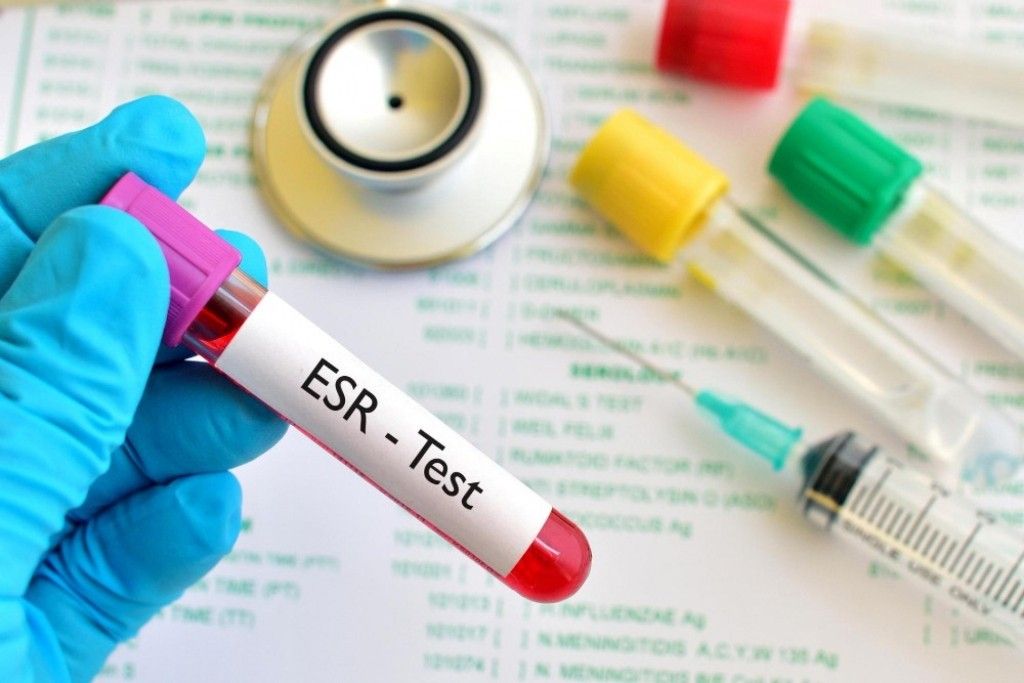
Aldehyde Chopra Test for Kala Azar
About Aldehyde Chopra Test for Kala Azar
| Field | Value |
|---|---|
| Also Known As | Aldehyde Test, Chopra Aldehyde Test, Napier's Formol Gel Test, Formol-Gel Test for Kala-Azar |
| Sample Type | Venous blood (serum) |
| Fasting Required | No fasting required |
| Report Time | Same day to 72 hours |
| Recommended For | All genders and ages; primarily for individuals in or from kala-azar endemic areas |
| Price | Starting at ₹280 |
What Is an Aldehyde Chopra Test for Kala Azar?
The Aldehyde Chopra Test for Kala Azar is a blood-based screening test used to detect signs of kala-azar, also called visceral leishmaniasis. It works by measuring elevated levels of globulins (immune proteins) in blood serum. The test is also known as Napier's Formol Gel Test or the Chopra Aldehyde Test. Doctors typically order it for patients showing symptoms consistent with kala-azar, particularly those living in or returning from endemic regions of India.
What Does an Aldehyde Chopra Test for Kala Azar Measure?
The test detects changes in serum proteins that occur during kala-azar infection. Here is what it specifically looks at:
| Parameter | What It Indicates |
|---|---|
| Serum globulins | Proteins in the blood that rise significantly during kala-azar infection; when elevated, they react with formaldehyde to form a gel |
| Hypergammaglobulinaemia | A raised level of gamma globulins (a type of immune protein), which is a known feature of visceral leishmaniasis |
The gel formation (or lack of it) within a set time period tells the laboratory whether these protein levels are abnormally high.
Why Is an Aldehyde Chopra Test For Kala Azar Done?
This test is ordered when a patient shows signs that may point to kala-azar, especially in areas where the disease is common. Below are the main reasons a doctor may request this test.
Common Symptoms That May Require This Test
The following symptoms are among the most frequent reasons this test is prescribed:
- Prolonged or recurring unexplained fever
- Significant and unexplained weight loss
- Splenomegaly (an enlarged spleen, which means the spleen has grown beyond its normal size)
- Hepatomegaly (an enlarged liver)
- Anaemia (a reduction in red blood cells or haemoglobin)
- Persistent weakness and fatigue
- Loss of appetite over an extended period
Conditions This Test Can Help Detect
The Aldehyde Chopra Test can support the identification of the following conditions:
- Visceral leishmaniasis, also known as kala-azar, black fever, or Dumdum fever
- Infection caused by Leishmania donovani, the parasite responsible for almost all kala-azar cases on the Indian subcontinent
- Post-kala-azar dermal leishmaniasis (PKDL), a skin condition that can develop after recovery from kala-azar in a small number of patients
How to Prepare and What to Expect
Preparing for this test is straightforward. There are no major restrictions, but a few simple steps will help ensure accurate results.
Do You Need to Fast?
No fasting is required before the Aldehyde Chopra Test for Kala Azar. You can eat and drink normally on the day of your test. If your doctor has ordered additional tests alongside this one, check separately whether any of those require fasting.
Practical Tips Before Your Test
Keep the following points in mind before your appointment:
- No dietary changes or restrictions are needed.
- Inform your doctor about any immunosuppressant medications you are taking, as these can affect test results.
- Mention any recent travel to tropical or kala-azar endemic areas.
- Disclose any co-existing conditions, such as tuberculosis, liver disease, or HIV, to your doctor before the test.
Step-by-Step Procedure
Here is what you can expect during sample collection:
- A trained phlebotomist (a person who draws blood) cleans the skin on your inner elbow with an antiseptic wipe.
- A small amount of blood is drawn from a vein in your arm using a sterile needle.
- The blood sample is collected into a tube and labelled with your details.
- The sample is sent to the laboratory, where serum is carefully separated from the blood.
- A small amount of serum is combined with formaldehyde in a test tube and observed for gel formation.
- The result is noted based on whether solidification occurs and how quickly it forms.
Factors That Can Affect Accuracy
Several factors may influence how reliable your result is:
- The duration of infection (the test typically becomes positive only after at least three months of infection)
- Co-existing conditions such as malaria, tuberculosis, or liver cirrhosis, which can produce false-positive results
- HIV or other immunosuppressant conditions, which may interfere with the test
- The presence of viscous material or glycerol traces in the sample
- Sample quality and how it is handled and transported
Understanding Your Aldehyde Chopra Test for Kala Azar Results
Your results should always be reviewed alongside your symptoms, travel history, and overall health. The table below provides a general guide to what the results may indicate.
| Result | Interpretation |
|---|---|
| Negative (no gel formation within 24 hours) | Suggests the absence of significantly raised immune proteins linked to kala-azar |
| Weakly Positive (gel formation within 24 hours) | May indicate early or mild infection; confirmatory testing advised |
| Moderately Positive (gel formation within 2 hours) | Suggests elevated globulin levels consistent with kala-azar |
| Strongly Positive (gel formation within 20 minutes) | Indicates markedly raised globulin levels; associated with active kala-azar infection |
These ranges are general guidelines. Your doctor will interpret your results based on your age, health history, and other factors. Always consult a qualified healthcare professional for personalised medical advice.
Results During Special Conditions
Certain conditions can affect how results are interpreted:
A positive result does not always confirm kala-azar. Diseases such as tuberculosis, liver cirrhosis, malaria, leprosy, and multiple myeloma can also produce a positive reaction. Conversely, a negative result does not completely rule out the disease, particularly in early-stage infection before a sufficient antibody response has developed. This test has known limitations in sensitivity and specificity, so confirmatory tests are always required.
How to Maintain Healthy Levels
The following general wellness tips can help reduce the risk of kala-azar:
- Use insect repellent and sleep under bed nets in endemic areas (Bihar, Jharkhand, West Bengal, and eastern Uttar Pradesh).
- Seek medical attention promptly for prolonged or unexplained fever, especially after visiting or living in endemic regions.
- Maintain good nutrition to support your immune system's ability to respond to infections.
Lupin Diagnostics Aldehyde Chopra Test For Kala Azar Price and Home Collection
The Aldehyde Chopra Test For Kala Azar is available at Lupin Diagnostics, with home collection available across cities. Indicative prices across major Indian cities are listed below.
| City | Approximate Price (₹) |
|---|---|
| Mumbai | ₹280 |
| Kolkata | ₹280 |
| Bangalore | ₹280 |
| Chennai | ₹280 |
| Hyderabad | ₹280 |
Prices are indicative and may vary by location. Please confirm the current price at the time of booking.
How to Book
- Select the test on the Lupin Diagnostics website.
- Choose your city and preferred time slot.
- Opt for home sample collection by a certified phlebotomist, or visit your nearest Lupin Diagnostics centre.
- Receive your report via email or WhatsApp within the stipulated turnaround time.
Home Collection
Lupin Diagnostics offers home sample collection for the Aldehyde Chopra Test for Kala Azar across multiple cities, carried out by trained and certified phlebotomists. All samples are processed in NABL-accredited laboratories that follow strict quality standards. Your digital report is delivered via email or WhatsApp, making it easy to share with your doctor.
Frequently Asked Questions
The Aldehyde Chopra Test is a simple blood test that checks for raised levels of immune proteins (globulins) in your serum. When these proteins are elevated due to kala-azar infection, they react with formaldehyde to form a gel. It is one of the older screening tools used in areas where kala-azar is common across India.
This test has limitations in accuracy. It can produce false-positive results in other conditions such as tuberculosis, malaria, and liver disease. It is primarily a preliminary screening tool, and a positive result always requires confirmation through more specific tests, such as the rK39 rapid test or examination of bone marrow or splenic aspirate.
No fasting is needed. You can eat and drink normally before the test. There are no dietary preparations required on the day of sample collection.
Results for the Aldehyde Chopra Test For Kala Azar are typically available the same day or within 72 hours, depending on the laboratory processing the sample.
A positive result suggests that your blood serum contains elevated immune proteins, which may indicate a kala-azar infection. However, because other conditions can also cause a positive reaction, your doctor will recommend confirmatory tests before making a diagnosis.
Yes. False-positive results can occur in patients with tuberculosis, liver cirrhosis, malaria, and certain other infections. A false-negative result is also possible in early-stage infection, typically within the first three months, before immune proteins have risen to detectable levels.
This test is recommended for anyone experiencing prolonged fever, unexplained weight loss, an enlarged spleen or liver, or persistent weakness, particularly if they live in or have recently visited kala-azar endemic regions such as Bihar, Jharkhand, West Bengal, or eastern Uttar Pradesh. A doctor's referral is needed before booking the test.
Aldehyde Chopra Test for Kala Azar