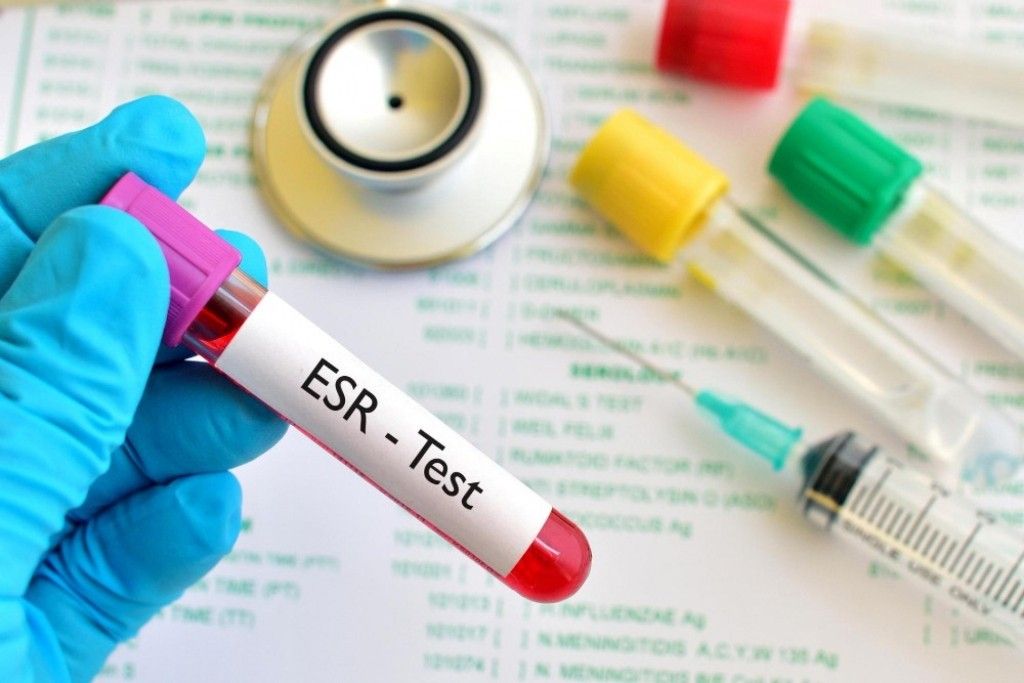
ACTH Stimulation Test For Cortisol
About ACTH Stimulation Test For Cortisol
| Field | Value |
|---|---|
| Also Known As | Cosyntropin stimulation test, Cortrosyn stimulation test, Short Synacthen test (SST), Adrenocorticotropic hormone stimulation test, Cortisol stimulation test |
| Sample Type | Venous blood (serum) |
| Fasting Required | Yes — approximately 6 hours of fasting before the test is recommended |
| Report Time | Within 7 to 10 working days after sample collection |
| Recommended For | Adults and children of both genders with suspected adrenal or pituitary gland dysfunction |
| Price | Starting at ₹1,600 |
What Is an ACTH Stimulation Test For Cortisol?
The ACTH stimulation test for cortisol is a specialised blood test that checks how well your adrenal glands (small glands that sit above your kidneys) respond to a hormone signal. A doctor typically orders this test when they suspect the adrenal or pituitary glands are not working properly.
Also known as the Cosyntropin stimulation test or Cortrosyn stimulation test, the test uses a synthetic hormone injection and measures cortisol levels in blood samples taken before and after the injection.
What Does an ACTH Stimulation Test For Cortisol Measure?
This test evaluates the communication pathway between your brain and adrenal glands, known as the hypothalamic–pituitary–adrenal (HPA) axis. A synthetic version of the adrenocorticotropic hormone (ACTH), called cosyntropin, is injected to prompt the adrenal glands to produce cortisol. The following parameters are measured:
| Parameter | What It Shows |
|---|---|
| Baseline cortisol (0 minutes) | Your cortisol level before the injection |
| Cortisol at 30 minutes | How your adrenal glands respond to the ACTH signal |
| Cortisol at 60 minutes | An optional later reading to confirm the response |
Why Is an ACTH Stimulation Test For Cortisol Done?
This test is ordered when a doctor needs to assess whether your adrenal glands are producing enough cortisol.
Common Symptoms That May Require This Test
Your doctor may recommend an ACTH stimulation test if you are experiencing any of the following symptoms:
- Persistent fatigue or weakness that does not improve with rest
- Unexplained weight loss or decreased appetite
- Nausea, vomiting, or abdominal pain
- Low blood pressure or dizziness upon standing
- Diarrhoea
Conditions This Test Can Help Detect
The cortisol stimulation test can help identify several conditions affecting the adrenal and pituitary glands:
- Primary adrenal insufficiency (Addison's disease), where the adrenal glands are damaged and cannot produce enough cortisol
- Secondary adrenal insufficiency, where the pituitary gland does not send enough ACTH to trigger cortisol production
- Glucocorticoid-induced adrenal insufficiency, caused by long-term use of steroid medicines suppressing adrenal function
- Recovery of adrenal or pituitary function after prolonged steroid treatment
How to Prepare and What to Expect
Preparing correctly for this test helps ensure your results are accurate and reliable.
Do You Need to Fast?
Yes, fasting for approximately 6 hours before the test is recommended. You may drink plain water during this period. If you have been asked to have any additional blood tests at the same time, check with your doctor whether different fasting rules apply.
Practical Tips Before Your Test
Keep the following points in mind before your appointment:
- Eat a diet with adequate carbohydrates in the 12 to 24 hours before the test
- Inform your doctor of all medications you are currently taking, including steroids and hormonal medicines
- Oestrogen-containing medications (such as oral contraceptives) ideally should be stopped 4 to 6 weeks before the test, as they affect cortisol readings
- Glucocorticoid medicines and spironolactone should generally be withheld on the day of testing, under your doctor's guidance
- Schedule the test in the morning when possible, as cortisol levels are naturally at their highest
Step-by-Step Procedure
Here is what typically happens during the ACTH stimulation test from start to finish:
- A trained phlebotomist draws a small blood sample from a vein in your arm to measure your starting cortisol level.
- A healthcare professional gives you an injection of synthetic ACTH (cosyntropin) into a muscle. This acts like your body's own ACTH signal.
- After 30 minutes, another blood sample is taken from your vein to measure how your cortisol has responded.
- In some cases, a third blood sample is collected at 60 minutes for a more complete picture.
- All samples are labelled carefully and sent to the laboratory for analysis.
- Your report is typically ready within 24 to 48 hours.
Factors That Can Affect Accuracy
Several factors can influence the reliability of your results:
- Incorrect timing of blood draws (samples must be taken at precisely defined intervals)
- Medications such as glucocorticoids, oestrogen-containing drugs, and spironolactone
- Acute stress, recent surgery, or hospitalisation
- Alcoholism or depression, which can elevate baseline cortisol levels
- Testing later in the day rather than in the morning
Understanding Your ACTH Stimulation Test For Cortisol Results
Results from this test should always be reviewed with your doctor, who will consider the full picture of your health history.
| Parameter | Expected Result |
|---|---|
| Peak cortisol after stimulation | 15 mcg/dL or above (some labs use 18 mcg/dL as the cutoff) |
| Traditional stimulated cortisol cutoff | 18 mcg/dL (500 nmol/L) or above |
These ranges are general guidelines. Your doctor will interpret your results based on your age, health history, and other factors. Always consult a qualified healthcare professional for personalised medical advice.
Results During Special Conditions
Certain health states can alter how cortisol is measured in the blood, which may affect how results are interpreted.
Pregnancy and oestrogen therapy raise levels of a protein called cortisol-binding globulin (CBG), which increases total cortisol in the blood. This can make it harder to detect adrenal insufficiency and requires careful interpretation by your doctor.
Conditions that reduce protein levels in the blood, such as advanced liver cirrhosis, nephrotic syndrome (a kidney disorder that causes protein loss in urine), malnutrition, or prolonged critical illness, can cause measured cortisol to appear lower than it actually is, potentially leading to an incorrect diagnosis.
How to Maintain Healthy Levels
These general wellness habits support overall adrenal health:
- Manage daily stress through adequate sleep, relaxation practices, and moderate, regular exercise
- Follow a balanced diet with sufficient nutrients to support normal hormone production
- Never stop corticosteroid medications abruptly; always follow your doctor's guidance on tapering the dose
Lupin Diagnostics ACTH Stimulation Test For Cortisol Price
The ACTH stimulation test price at Lupin Diagnostics starts at approximately ₹1,600. The test is usually conducted in a hospital setting, with no option for home sample collection.
| City | Approximate Price (₹) |
|---|---|
| Mumbai | 1,600 |
| Bangalore | 1,600 |
| Chennai | 1,600 |
| Hyderabad | 1,600 |
| Kolkata | 1,600 |
| Pune | 1,600 |
| Bhopal | 1,600 |
| Indore | 1,600 |
Prices are indicative and may vary by location. Please confirm the current price at the time of booking.
How to Book
Booking your ACTH test with Lupin Diagnostics is straightforward:
- Select the test on the Lupin Diagnostics website
- Choose your city and preferred time slot
- Opt for home sample collection by a certified phlebotomist, or visit your nearest Lupin Diagnostics centre
- Receive your report via email or WhatsApp within the stipulated turnaround time
Frequently Asked Questions
A standard cortisol blood test measures your cortisol level at a single point in time. The ACTH stimulation test for cortisol goes further by checking how your adrenal glands respond to a hormone signal, giving doctors a clearer picture of whether those glands are working properly. It involves multiple blood draws and a cosyntropin injection.
The test generally takes around 30 minutes if only the 30-minute sample is collected. If a 60-minute sample is also needed, the total time is closer to 60-90 minutes. You will need to remain at the collection centre between blood draws.
Some medications can interfere with results and should be withheld on the day of testing. These include glucocorticoid medicines, spironolactone, and oestrogen-containing drugs. Always speak to your doctor before stopping any medication, as guidance will depend on your specific situation.
Most people tolerate the injection well. A small number of people experience mild flushing, nervousness, or nausea after the injection. Rare hypersensitivity reactions are possible, so you will be monitored after the injection. Side effects are generally mild and short-lived.
Yes, the Cosyntropin stimulation test near me can be performed during pregnancy if a doctor considers it necessary. However, cortisol levels rise naturally during pregnancy, which can affect how results are interpreted. It is not a routine prenatal screening test.
Abnormal results usually prompt further investigation. Your doctor may order additional tests, such as an insulin tolerance test or imaging studies (CT scan or MRI), to examine the adrenal and pituitary glands and identify the underlying cause. Your doctor will guide the next steps based on your overall clinical picture.
Cortisol follows a natural daily rhythm, with levels peaking in the early morning. Scheduling the adrenocorticotropic hormone stimulation test in the morning helps reduce the chance of a misleading result caused by naturally low afternoon cortisol levels. This makes the test easier to interpret accurately.
ACTH Stimulation Test For Cortisol