Lipoprotein (A)
 Blood Sample
 Free Home Collection
 Digital Smart Report
 Recommended for Male/Female
 NABL & CAP Certified Labs
 Trusted by Leading Doctors & Organizations
About Lipoprotein (a) Test: Booking, Price, and Results
| Field | Value |
|---|---|
| Also Known As | Lp(a), Lp(a) Test |
| Sample Type | Venous blood (blood drawn from a vein in the arm) |
| Fasting Required | Generally not needed; however your doctor may recommend it if combined with other tests |
| Report Time | Within 48 hours |
| Recommended For | Adults of all ages, particularly those with a family history of heart disease |
| Price | Starting at ₹900 |
What Is a Lipoprotein (a) Test?
The Lipoprotein (a) test is a blood test that measures the level of Lp(a) in your bloodstream. Lp(a) is a type of LDL, commonly known as bad cholesterol, that carries cholesterol through your arteries to your cells. This test is used to assess your genetic risk for heart and artery-related conditions. A small blood sample drawn from a vein in your arm is all that is needed.
What Does a Lipoprotein (a) Test Measure?
Unlike standard cholesterol tests, Lipoprotein (a) blood test targets Lp(a) alone, a particle that is structurally similar to LDL but stickier, making it more likely to cause blockages in arteries. The test reports a single parameter:
| Parameter | What It Tells You |
|---|---|
| Lipoprotein (a) concentration | The amount of Lp(a) present in your blood, reported in mg/dL or nmol/L (particle count) |
Because Lp(a) is largely determined by your genes, this single measurement can give meaningful insight into your inherited cardiovascular risk.
Why Is a Lipoprotein (a) Test Done?
The Lp(a) test is prescribed for people who may be at an elevated risk of cardiovascular disease, particularly when other tests do not fully explain their risk profile.
Common Symptoms That May Require This Test
High Lp(a) levels typically produce no symptoms on their own. However, a doctor may request this test if you experience signs that suggest cardiovascular stress. These include:
- A personal history of heart attack or stroke
- A strong family history of early heart disease
- Chest pain or tightness
- Shortness of breath during routine activity
- Pain in the legs when walking
- Unexplained high cholesterol readings on previous tests
Conditions This Test Can Help Detect
The Lipoprotein (a) test helps identify your risk for several cardiovascular conditions. These include:
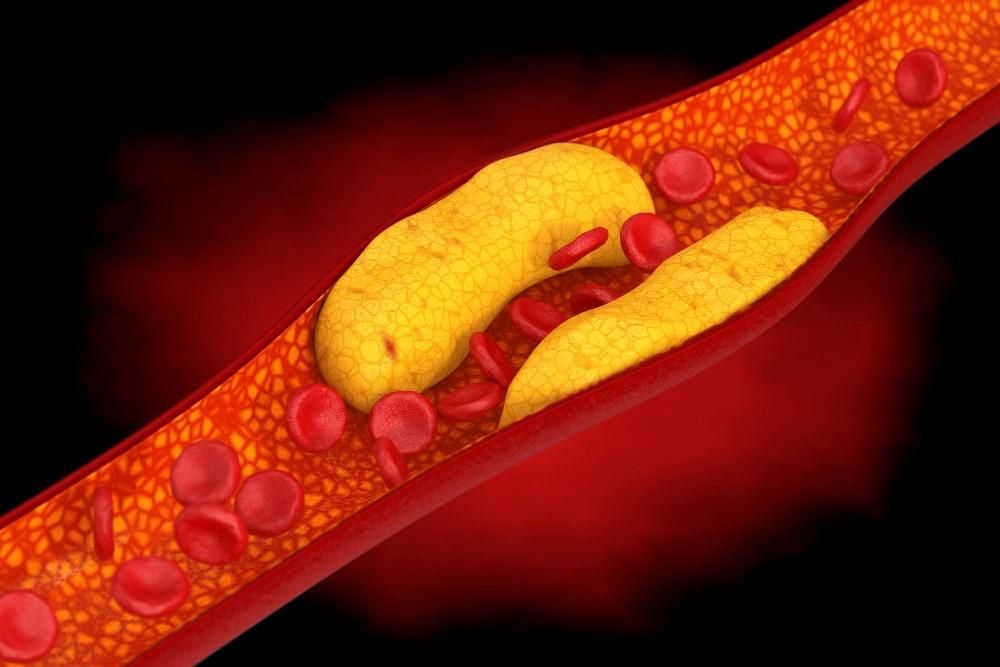
- Atherosclerosis: A build-up of plaque inside the arteries
- Ischaemic heart disease: Reduced blood flow to the heart
- Ischaemic stroke: A blockage that cuts blood supply to the brain
- Peripheral arterial disease: Narrowed arteries in the limbs
- Calcific aortic stenosis: Calcium build-up that narrows the heart's aortic valve
- Heart failure
How to Prepare and What to Expect
Preparation for this test is straightforward. Following a few simple steps helps ensure an accurate result.
Do You Need to Fast?
Fasting is generally not required for a Lipoprotein (a) test. However, a doctor may recommend fasting if the test is being performed alongside other blood tests (such as a lipid profile) that do require fasting.
Practical Tips Before Your Test
A little preparation before your appointment helps things go smoothly:
- Inform your doctor about all medications and supplements you are taking, particularly aspirin, niacin supplements, and oral oestrogen hormones, as these can affect results.
- Drink adequate water before your appointment; staying hydrated makes blood collection easier.
- Wear a loose-fitting top or short sleeves for easy access to your arm for sample collection.
- Follow any specific instructions given by the laboratory handling your sample.
Step-by-Step Procedure
The sample collection process is quick and simple:
- A trained phlebotomist will clean a small area on your arm and insert a fine needle into a vein.
- A small amount of blood is drawn into a vial. The whole process takes under five minutes.
- You may feel a brief sting when the needle is inserted or removed; this passes quickly.
- The vial is labelled and sealed, then sent to the laboratory for analysis.
- Your Lipoprotein (a) test results are typically ready within 48 hours.
Factors That Can Affect Accuracy
Certain factors may influence how accurately your result reflects your true Lp(a) level:
- Alcohol consumption before the test
- Use of niacin supplements, aspirin, or oral oestrogen supplements
- Acute illness or infection at the time of testing
- Menopause, which can cause Lp(a) levels to rise in women
- Kidney disease, liver disease, or thyroid conditions, all of which may affect levels
Understanding Your Lipoprotein (a) Test Results
Your results should always be reviewed with a qualified doctor who can weigh them alongside your overall health, medical history, and other test findings.
| Category | Range (mg/dL) | What It Suggests |
|---|---|---|
| Optimal | Less than 14 | Very low cardiovascular risk from Lp(a) |
| Borderline Risk | 14 to 30 | Mildly elevated; worth monitoring |
| High Risk | 31 to 50 | Elevated cardiovascular risk |
| Highest Risk | Greater than 50 | Significantly elevated risk |
These ranges are general guidelines. Your doctor will interpret your results based on your age, health history, and other factors. Always consult a qualified healthcare professional for personalised medical advice.
Results During Special Conditions
Some health conditions and life stages can push Lp(a) levels higher than usual:
- Kidney disease may impair the body's ability to break down Lp(a), leading to raised levels.
- Menopause can cause Lp(a) to rise in women, particularly when oestrogen levels decline.
- Pregnancy may temporarily increase Lp(a) levels.
- People of African descent and South Asian populations, including many Indians, tend to have naturally higher Lp(a) levels.
How to Maintain Healthy Levels
Because Lp(a) is genetically determined, its level cannot be significantly changed through diet or exercise. That said, supporting your overall heart health is still worthwhile:
- Maintain a healthy weight and engage in regular physical activity.
- Follow a balanced diet, limit excess alcohol, and avoid smoking.
- Work with your doctor to keep other cardiovascular markers, such as blood pressure and blood sugar, within healthy ranges.
Lupin Diagnostics Lipoprotein (a) Test Price and Home Collection
The Lipoprotein (a) test is available at Lupin Diagnostics with home collection across major Indian cities. Prices vary by location, as shown in the table below.
| City | Approximate Price (₹) |
|---|---|
| Mumbai | ₹1000 |
| Hyderabad | ₹950 |
| Bengaluru | ₹950 |
| Chennai | ₹950 |
| Kolkata | ₹1000 |
| Guwahati | ₹1100 |
| Pune | ₹950 |
Prices are indicative and may vary by location. Please confirm the current price at the time of booking.
How to Book
Booking your Lp(a) test with Lupin Diagnostics is straightforward:
- Select the test on the Lupin Diagnostics website.
- Choose your city and preferred time slot.
- Opt for home sample collection by a certified phlebotomist, or visit your nearest Lupin Diagnostics centre.
- Receive your report via email or WhatsApp within 48 hours of sample collection.
Home Collection
Lupin Diagnostics offers home sample collection across cities in India, so you can complete your Lipoprotein (a) blood test without travelling to a centre. All samples are processed in NABL-accredited laboratories by experienced technologists. Reports are delivered digitally for easy access and sharing with your doctor.
FAQs on Lipoprotein (A)
The Lipoprotein (a) test measures a cholesterol-carrying particle in your blood that carries cholesterol through your arteries. Unlike regular cholesterol, Lp(a) levels are inherited, and high levels are linked to a greater risk of heart disease and stroke. A doctor may order it when assessing cardiovascular risk, particularly if you have a family history of early heart disease.
A standard lipid panel checks total cholesterol, LDL, HDL, and triglycerides, but it does not include Lp(a). Your doctor must specifically request the Lp(a) test as a separate blood test. It provides additional risk information that a routine cholesterol check cannot offer. This is why many people with normal cholesterol results may still have elevated Lp(a) without knowing it.
This test is usually recommended for people with a family history of early heart disease or stroke, those with unexplained high cholesterol, and anyone who has already experienced a heart attack or stroke. Your doctor will advise whether testing is appropriate for you.
Unlike other cholesterol markers, Lp(a) levels are mostly set by your genes and are not significantly changed by diet or lifestyle changes. However, managing other heart health factors, such as blood pressure, blood sugar, and body weight, remains very important for reducing overall cardiovascular risk.
Because Lp(a) levels remain stable throughout adulthood, most clinical guidance suggests testing once in a lifetime for cardiovascular risk assessment. Your doctor may advise retesting if your clinical situation changes.
Fasting is usually not necessary for a Lipoprotein (a) test. However, your doctor may advise fasting if it is being done together with other blood tests, such as a lipid profile, that require fasting.
Elevated Lipoprotein (a) test results, particularly above 50 mg/dL (or 125 nmol/L), indicate a higher risk of cardiovascular conditions such as heart attack, stroke, and aortic valve disease. A result on its own is not a diagnosis. Your doctor will consider it alongside your full health picture and may suggest ways to reduce your overall heart disease risk.
Lipoprotein (a)