LupiKavach Complete Kidney Check Test: Booking, Price, and Results
About LupiKavach Complete Kidney Check Test: Booking, Price, and Results
| Field | Value |
|---|---|
| Also Known As | Kidney Function Test (KFT), Renal Function Test (RFT), Renal Profile, Kidney Profile, Renal Panel |
| Sample Type | Serum, Urine, Plasma, Whole Blood |
| Fasting Required | 12 hours of fasting required |
| Report Time | Same day to within 24 hours |
| Recommended For | Adults of all ages and genders, especially those with diabetes, high blood pressure, heart disease, or a family history of kidney disease |
| Price | Starting at ₹1000 |
What is a LupiKavach Complete Kidney Check Test?
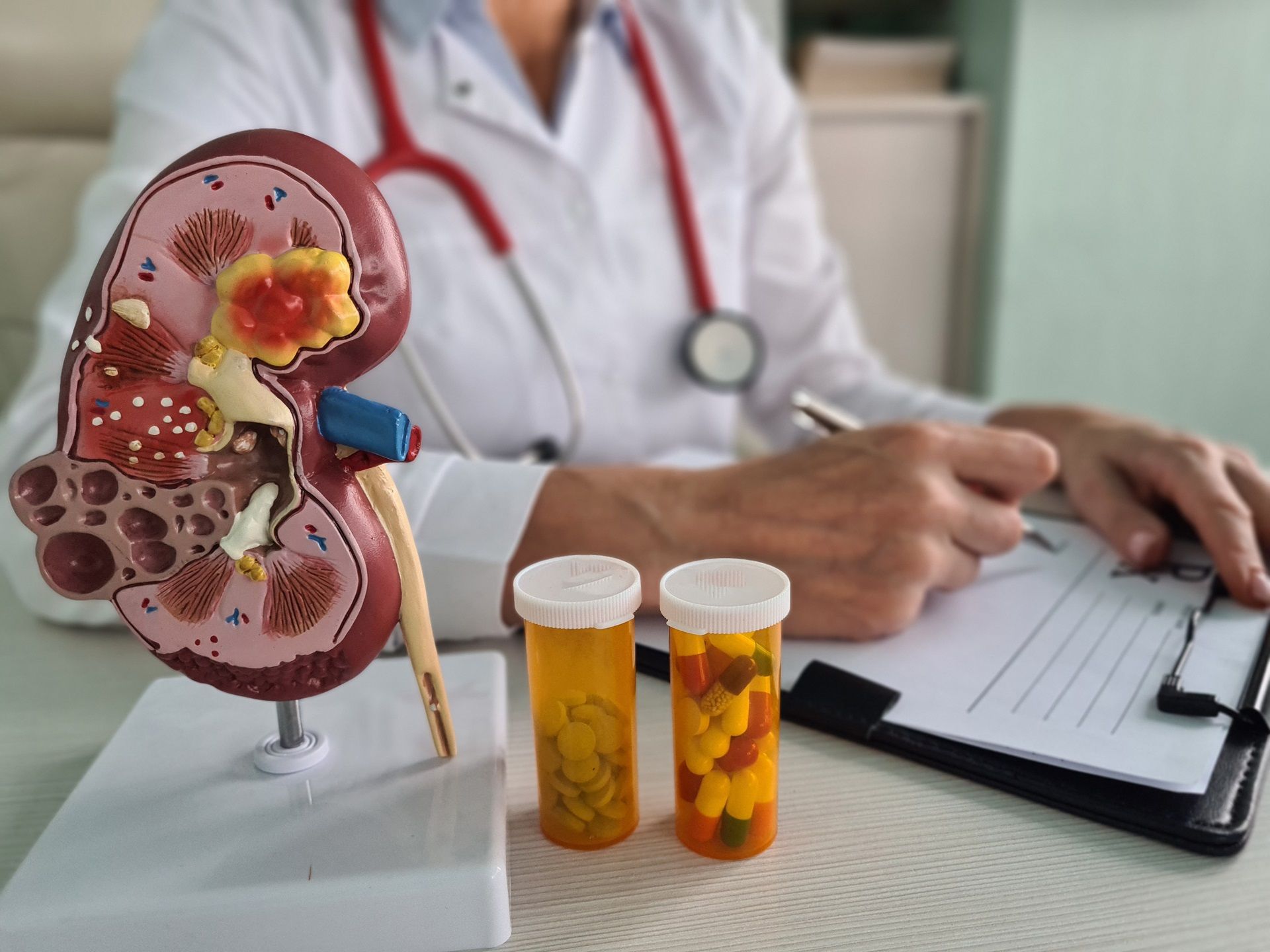
The Lupikavach complete kidney check test is a panel of blood and urine tests that evaluates how well your kidneys are working. Also known as the Kidney Function Test (KFT) or Renal Function Test (RFT), it measures waste products and other substances in your blood and urine to give a picture of kidney health. Doctors prescribe this test to assess kidney function, screen for disease, or monitor known conditions.
What Does a LupiKavach Complete Kidney Check Test Measure?
The LupiKavach complete kidney check test looks at several markers that reflect how well your kidneys filter waste and maintain the body's chemical balance. Below is a summary of the key parameters included in a typical complete kidney check test.
| Component | What It Checks |
|---|---|
| Kidney/Renal Function Tests Gold (KFT Gold/RFT Gold) | Key waste products and minerals filtered by the kidneys, including urea, uric acid, electrolytes, calcium, and phosphorus |
| Complete Urine Examination | Physical, chemical, and microscopic properties of urine to detect infections, protein, and abnormal cells |
| Blood Glucose Fasting (FBS) | Fasting blood sugar levels to screen for diabetes, a major cause of kidney damage |
| Complete Blood Count (CBC) | Red blood cells, white blood cells, and platelets; anaemia is common in chronic kidney disease |
| Vitamin D, 25-OH | The active form of Vitamin D, which the kidneys help regulate; low levels are linked to kidney dysfunction |
| Creatinine/eGFR | Creatinine (a muscle waste product) and the estimated glomerular filtration rate, which measures how much blood your kidneys filter per minute |
Why is a LupiKavach Complete Kidney Check Test Done?
A kidney function test may be ordered for several reasons, from investigating symptoms to monitoring long-term health conditions. Here is a closer look at the common reasons for requesting this panel.
Common Symptoms That May Require This Test
The following symptoms are among the most common reasons a doctor may ask for a renal function test:
- Swelling in the legs, ankles, feet, hands, or face
- Changes in urination frequency, either more or less than usual
- Foamy or discoloured urine
- Persistent fatigue or weakness without a clear cause
- Unexplained nausea or vomiting
Conditions This Test Can Help Detect
A complete kidney check can help identify or monitor a range of conditions. Some of the most common include:
- Chronic kidney disease (CKD)
- Acute kidney injury
- Diabetic nephropathy (kidney damage caused by diabetes)
- Urinary tract obstructions
- Electrolyte imbalances
Complete Kidney Check Test for Chronic Disease Monitoring
Repeat testing with a renal panel is an important part of managing ongoing conditions such as diabetes and high blood pressure. It helps doctors see whether kidney function is improving or worsening in response to treatment. For those on medications that can affect the kidneys, regular monitoring helps detect changes early before they become serious.
How to Prepare and What to Expect
Knowing what to expect before your kidney function test can help you feel at ease on the day. Here is a straightforward guide to preparation and the sample collection process.
Do You Need to Fast?
Fasting is generally required for a complete kidney check test. Whenever the panel includes a glucose measurement or is part of a larger health check, your doctor or laboratory may ask you to fast for 8 to 12 hours. Always confirm with the laboratory when you book.
Practical Tips Before Your Test
A few simple steps before your test can help ensure accurate results:
- Drink plain water as usual; stay well-hydrated, but avoid juice, coffee, and other beverages.
- Tell your doctor about all medications, supplements, and herbal remedies you are taking.
- Avoid strenuous exercise for at least 24 hours before the test.
- Wear a short-sleeved or loose-sleeved top for easy blood draw access.
Step-by-Step Procedure
This package requires both a blood sample and a urine sample. Here is what to expect.
Blood Sample Collection:
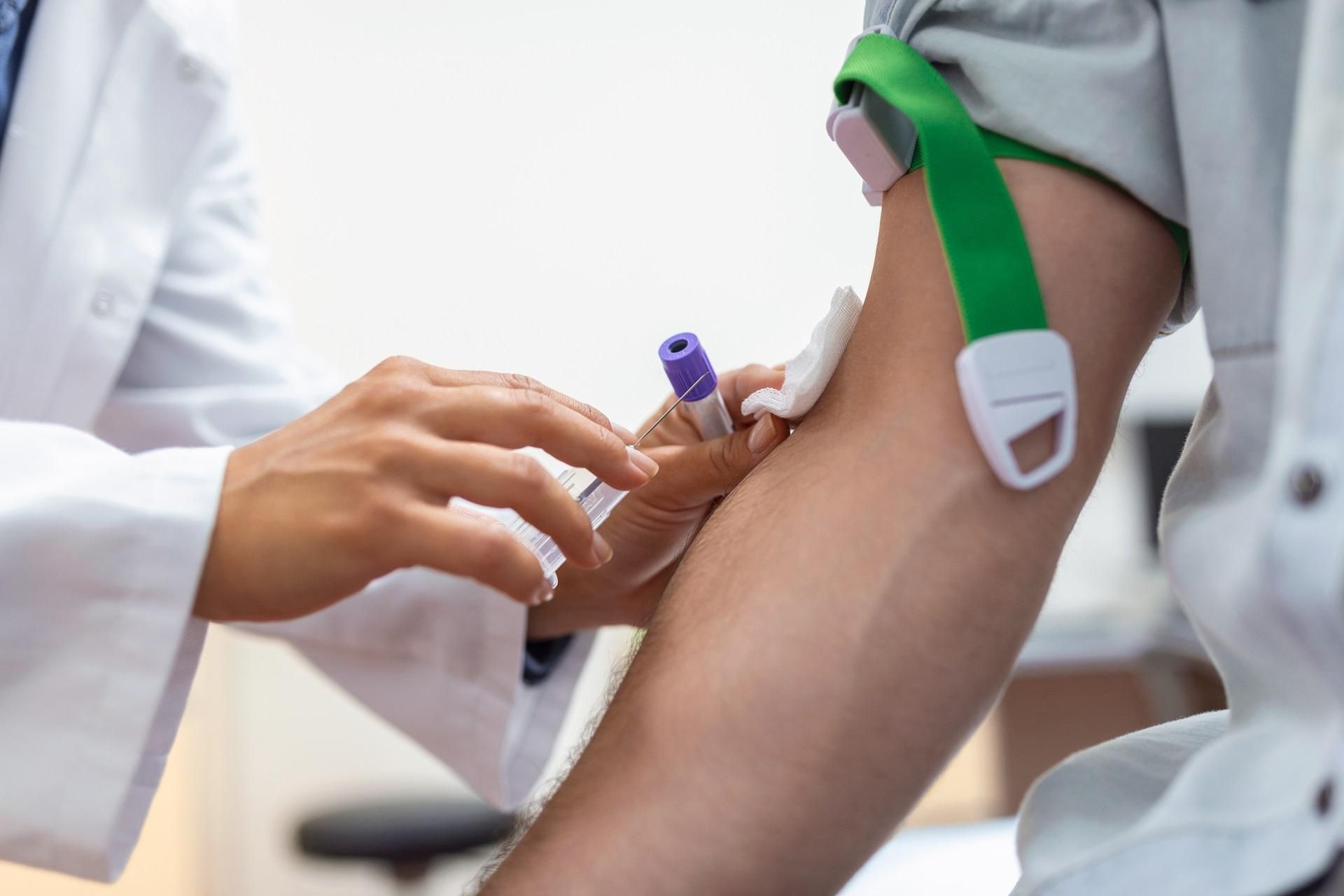
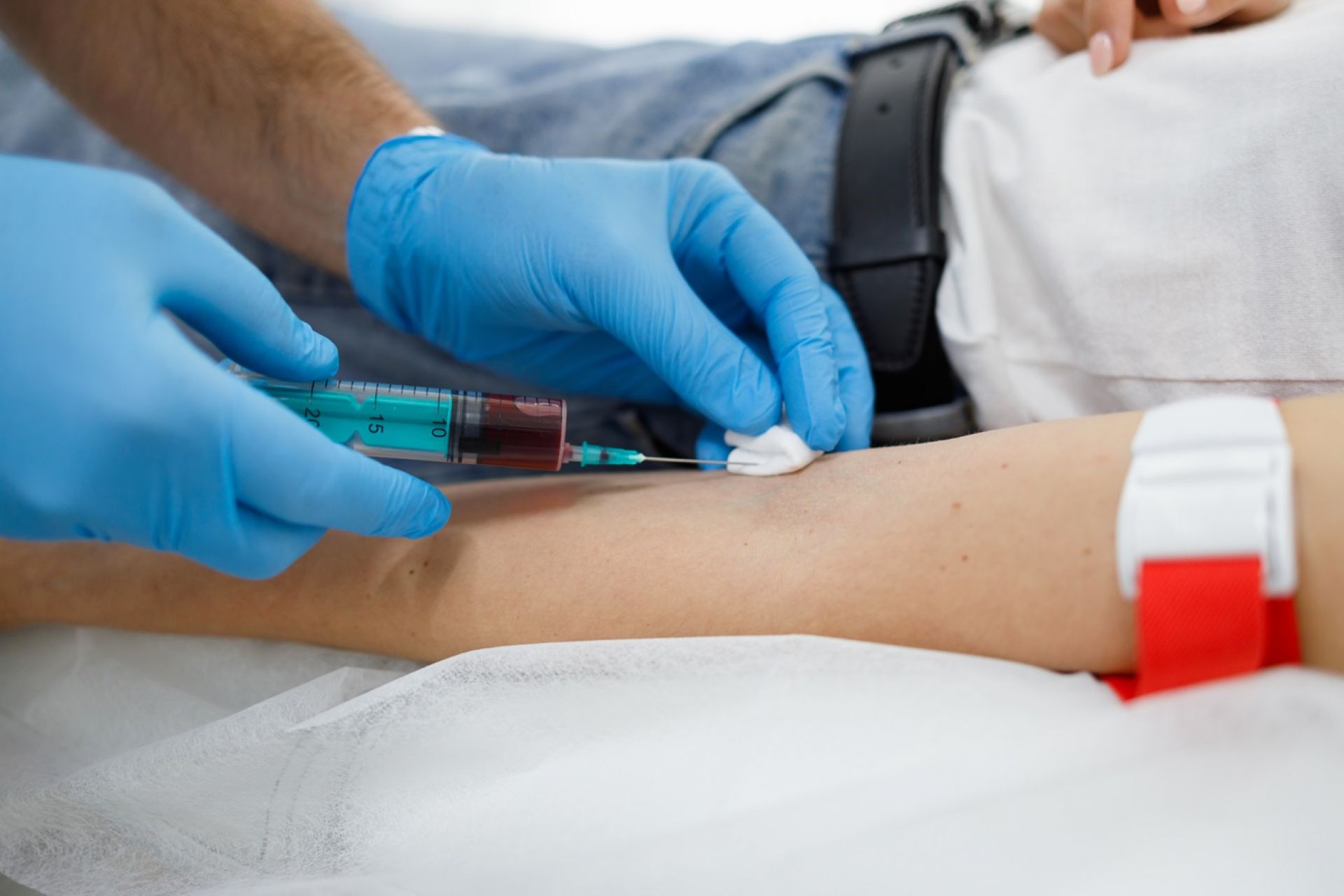
- A trained phlebotomist will clean the skin on your inner arm with an antiseptic wipe.
- A small needle is inserted into a vein, and blood is drawn into multiple collection tubes (yellow, grey, and lavender tubes for different tests).
- You may feel a mild sting for a second or two. The process typically takes under five minutes.
- A small bandage or cotton ball is placed at the site after collection.
Urine Sample Collection:
- You will be given a sterile white container and asked to provide a urine sample (at least 5 ml), using the mid-stream method to avoid contamination.
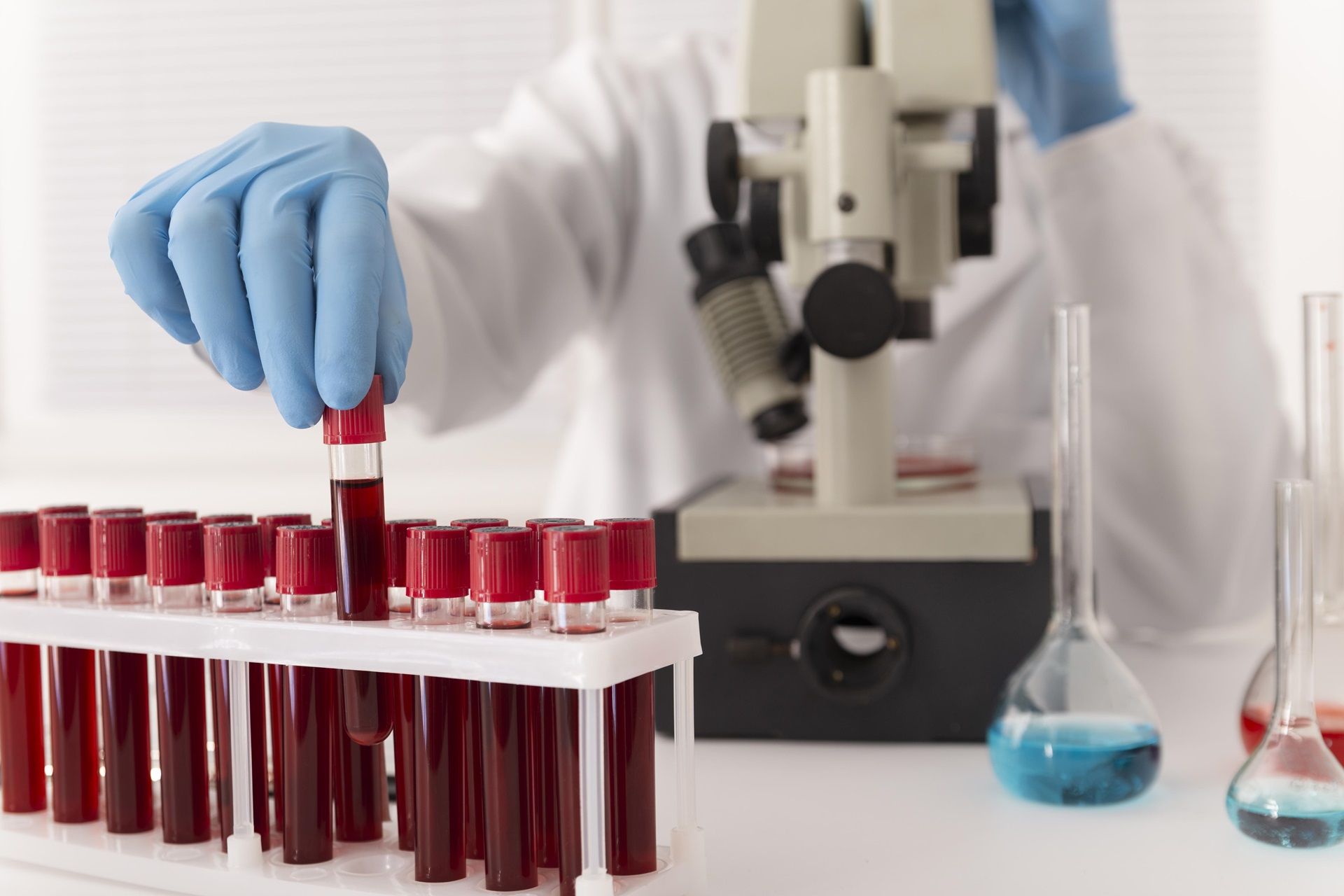
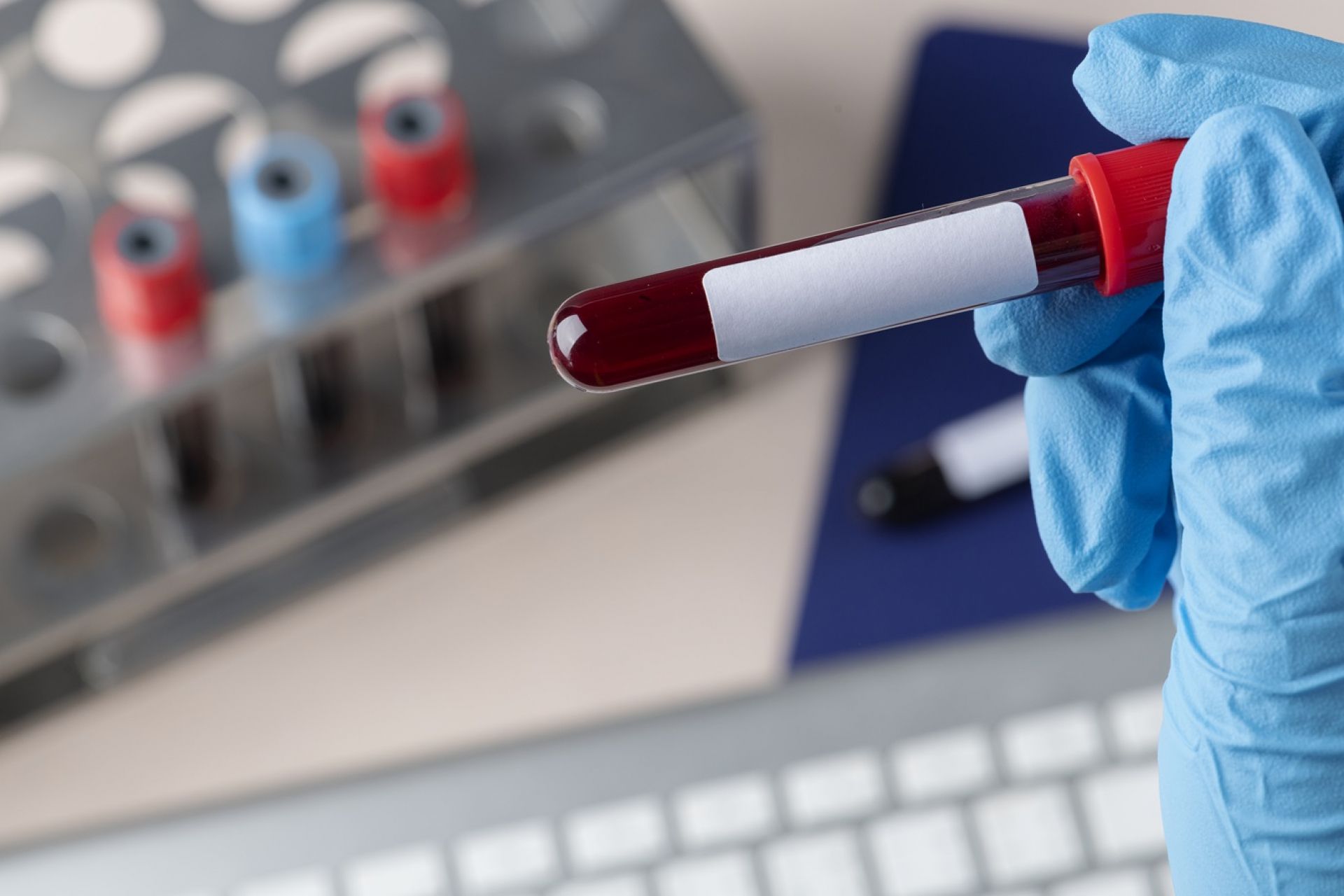
- Both samples are labelled, stored at the appropriate temperature, and dispatched to the NABL-accredited laboratory for analysis.
Factors That Can Affect Accuracy
Certain factors can influence your KFT results. Being aware of them helps you get the most accurate reading:
- Dehydration can raise creatinine and BUN levels, making results appear worse than they are.
- High-protein meals close to the test can elevate BUN.
- Strenuous physical activity before the test can temporarily raise creatinine.
- Certain medications, including some antibiotics, anti-inflammatory drugs, and contrast dyes, can affect results.
- Natural variation in muscle mass can influence creatinine levels.
Understanding Your Complete Kidney Check Test Results
Your doctor will review all parameters together and in the context of your personal health history. The table below shows general reference ranges for the key parameters in a LupiKavach complete kidney check test.
| Parameter | Normal Range | Unit |
|---|---|---|
| Serum Creatinine (Male) | 0.74 to 1.35 | mg/dL |
| Serum Creatinine (Female) | 0.59 to 1.04 | mg/dL |
| Blood Urea Nitrogen (BUN) | 7 to 20 | mg/dL |
| eGFR (Normal) | 90 or above | mL/min/1.73m² |
| eGFR (Mild Decrease) | 60 to 89 | mL/min/1.73m² |
| eGFR (Possible CKD) | Below 60 | mL/min/1.73m² |
| Uric Acid (Male) | 3.5 to 7.2 | mg/dL |
| Uric Acid (Female) | 2.6 to 6.0 | mg/dL |
| Sodium | 135 to 146 | mmol/L |
| Potassium | 3.5 to 5.0 | mmol/L |
These ranges are general guidelines. Your doctor will interpret your results based on your age, health history, and other factors. Always consult a qualified healthcare professional for personalised medical advice.
Results During Special Conditions
Some circumstances can shift results in ways that do not reflect true kidney damage. Dehydration is one of the most common factors; it can raise BUN and creatinine levels, making kidneys appear to be functioning less effectively than they actually are. Certain medications, such as some antibiotics and anti-inflammatory drugs, can temporarily increase creatinine by blocking its secretion, which lowers eGFR without an actual loss of kidney filtering ability. eGFR also naturally changes with age, significant shifts in body composition, and stage of life.
How to Maintain Healthy Levels
These general wellness habits support kidney health over the long term:
- Aim to drink 2 to 3 litres of plain water each day to keep the kidneys well-flushed.
- Keep blood pressure and blood sugar within your doctor's recommended ranges, as both are leading contributors to kidney stress.
- Limit processed foods, excess salt, and high-purine items such as red meat and shellfish.
Lupin Diagnostics Complete Kidney Check Test Price and Home Collection
The LupiKavach complete kidney check test is available at Lupin Diagnostics starting at ₹1400, with home collection available across cities. The city-wise pricing is listed below for reference.
| City | Approximate Price (₹) |
|---|---|
| Mumbai | ₹1700 |
| Bengaluru | ₹1700 |
| Chennai | ₹1700 |
| Hyderabad | ₹1700 |
| Pune | ₹1700 |
| Kolkata | ₹1400 |
Prices are indicative and may vary by location. Please confirm the current price at the time of booking.
How to Book
Booking your kidney function test at Lupin Diagnostics is simple:
- Select the test on the Lupin Diagnostics website.
- Choose your city and preferred time slot.
- Opt for home sample collection by a certified phlebotomist, or visit your nearest Lupin Diagnostics centre.
- Receive your report via email or WhatsApp within the stipulated turnaround time.
Home Collection
Lupin Diagnostics offers home sample collection for the LupiKavach complete kidney check test across multiple cities in India. All samples are processed in NABL-accredited laboratories by experienced technologists. Your digital report is delivered directly to your email or WhatsApp, so you can share it with your doctor easily.
Frequently Asked Questions
The LupiKavach complete kidney check test is a panel of blood and sometimes urine tests that measures how well your kidneys filter waste and maintain electrolyte balance. Key parameters include creatinine, BUN, eGFR, uric acid, and sodium, potassium, and chloride levels. It is also called a kidney function test (KFT) or renal function test (RFT).
Fasting is generally required for a kidney function test. This panel includes a blood profile, and fasting for 8 to 12 hours without food may be recommended. Always check with your laboratory at the time of booking to be sure.
If you have diabetes, high blood pressure, heart disease, or a family history of kidney disease, testing at least once a year is generally advised. If you already have diagnosed kidney disease, your doctor may recommend testing every 3 to 6 months to track how your kidneys are doing.
An eGFR of 90 or above is considered normal. A result between 60 and 89 suggests mildly reduced kidney function, while a result below 60 may indicate kidney disease. An eGFR of 15 or below may point to kidney failure. Your doctor will guide you on the next steps based on your overall results.
Yes, some medications can influence results. Certain anti-inflammatory drugs, antibiotics, blood pressure medicines, and contrast dyes used in imaging procedures can all affect kidney function markers. Always inform your doctor about every medicine and supplement you are taking before getting tested.
Yes. Being dehydrated before your test can cause BUN and creatinine levels to read higher than usual, because less fluid means the kidneys filter less effectively in the short term. Drinking adequate plain water in the days before your test helps produce more reliable results.
The LupiKavach complete kidney check test is particularly useful for people with known risk factors for kidney problems. These include high blood pressure, diabetes, cardiovascular disease, obesity, elevated cholesterol, or a family history of kidney disease. Your doctor may also recommend this test if you are on long-term medications that can affect kidney function.
LupiKavach Complete Kidney Check Test: Booking, Price, and Results