Book a Home Collection Now!
Abnormal Hemoglobin: The Role of Hb Electrophoresis
September 18, 2024 - By Lupin Diagnostics
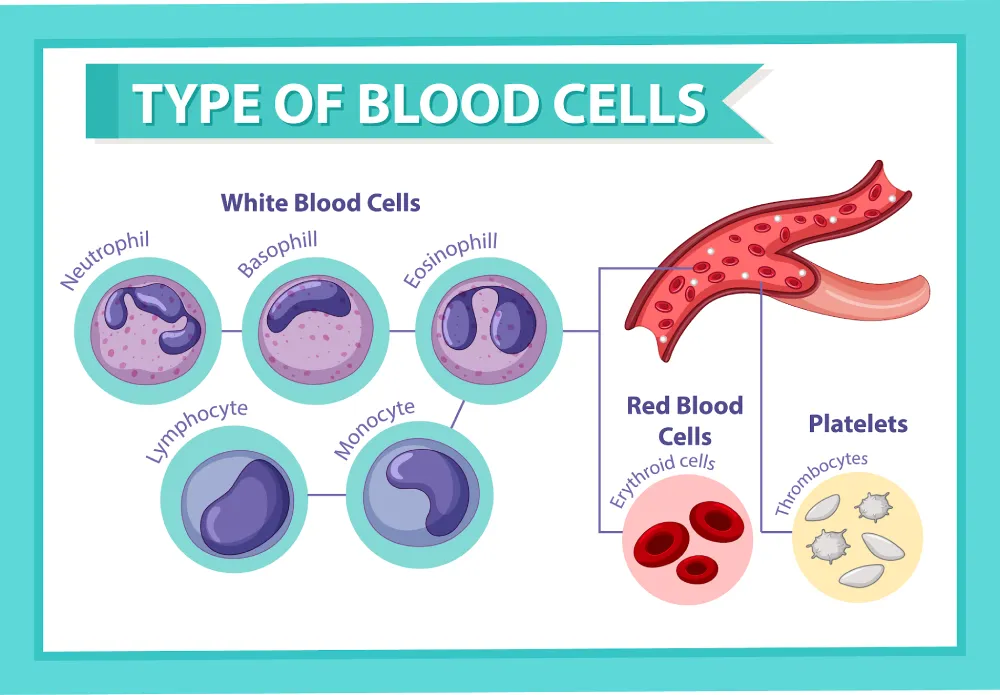
Hemoglobin (Hb) is the protein found in red blood cells that carries oxygen throughout the bloodstream. Hb electrophoresis is a test healthcare providers use to determine how much of each type of hemoglobin you have in your blood.
What is Hemoglobin Electrophoresis?
Hemoglobin electrophoresis is utilized to assess the different forms of hemoglobin found in your red blood cells (RBCs). A change, or mutation, in one of the genes that make hemoglobin causes normal red blood cells to become deformed. Conditions such as anemia, sickle cell anemia, and thalassemia occur when these damaged cells break down.
The high-performance liquid chromatography (HPLC) Hb electrophoresis test gives healthcare providers detailed information about abnormal types of hemoglobin and blood disorders. HPLC is a highly sensitive and accurate technique to determine what types and how much of each type of hemoglobin you have in your body.
Hb electrophoresis is key to determining and diagnosing blood disorders, and it is also used for newborn screenings that are done looking for possible indicators of sickle cell anemia or other rare, severe illnesses.
Types of Hemoglobin
Hb electrophoresis is a widely used technique for analyzing various types of hemoglobin, including:
Hemoglobin Types A1 and A2 (HgbA1 and A2): Hemoglobin A1 makes up most hemoglobin in normal red blood cells. Hemoglobin A2 makes up approximately 2% to 3% of the total hemoglobin present in the body.
Hemoglobin Type F (HgbF): HgbF is the predominant form of hemoglobin present in fetuses before being substituted by HgbA following birth. Elevated levels of F-type hemoglobin in adults may suggest an abnormal hemoglobin level.
Hemoglobin Type S (HgbS): HgbS leads to sickle cell anemia, a condition characterized by the production of rigid, sickle-shaped red blood cells that are unable to move easily through blood vessels.
Hemoglobin C (HgbC): HgbC is associated with hemolytic anemia, a disorder marked by the early breakdown of red blood cells.
Who Should Get Hemoglobin Electrophoresis Done?
Testing may be necessary if you are experiencing symptoms of a hemoglobin disorder like anemia or sickle cell disease.
Symptoms of anemia:
- Shortness of breath
- Weakness
- Headache
- Dizziness
- Irregular heartbeat
Symptoms of sickle cell disease:
- Painful swelling of the hands and feet
- Infants may experience tiredness or irritability due to anemia
- Growth issues in children
- Jaundice
- Severe pain
What is the Purpose of Hemoglobin Electrophoresis?
- To diagnose blood disorders
- To monitor treatment
- To screen for genetic conditions
- Having a family history of a blood disorder
Hemoglobin Electrophoresis Test Procedure
- Red blood cells are dissolved and placed onto a cellulose strip.
- The strip is inserted into an electrophoresis chamber.
- Electrical current separates hemoglobin variants into visible bands.
- Abnormal bands may indicate blood disorders.
Interpretation of the Hemoglobin Electrophoresis Test Results
| Parameters (in adults) | Normal hemoglobin percentage |
| Hemoglobin A | 95% to 98% |
| Hemoglobin A2 | 2% to 3% |
| Hemoglobin F | 1% to 2% |
| Hemoglobin S | Absent |
| Hemoglobin C | Absent |
| Parameters (in infants) | Normal hemoglobin percentage |
| Hemoglobin F (newborn) | 50% to 80% |
| Hemoglobin F (6 months) | 8% |
| Hemoglobin F (> 6 months) | 1% to 2% |
Deviation from normal levels indicates the following:
- Reduced Hb A with ~40% Hb S may indicate sickle cell trait.
- High Hb S and Hb F with absent Hb A suggests sickle cell disease.
- Elevated Hb C with absent Hb A suggests hemoglobin C disease.
- High Hb F with low or absent Hb A suggests beta thalassemia major.
Hemoglobin electrophoresis is a blood test used to identify normal and abnormal hemoglobin types, helping diagnose conditions such as sickle cell disease or thalassemia.